A bathroom usually tells you what is not working long before the rest of the house does. The step over the tub starts to feel higher. The floor seems slicker. The tight turn near the vanity becomes awkward. When homeowners start looking for the best accessibility features for bathrooms, they are rarely thinking about medical-looking upgrades. They want a space that feels safer, easier to use, and still worthy of the home they have invested in.
That is the real goal of a well-designed accessible bathroom. It should reduce strain, lower the risk of falls, and make daily routines more comfortable without making the room feel institutional. The best results come from choosing features that fit the person using the space now, while also preparing the bathroom for the years ahead.
What makes the best accessibility features for bathrooms worth it?
The right accessibility upgrades do more than solve one problem. They improve confidence, simplify cleaning, and often make the entire bathroom feel more open and modern. For many homeowners in Woodstock and the greater Atlanta area, accessibility is not only about aging in place. It is also about making life easier after surgery, accommodating a family member with mobility challenges, or creating a bath that works better for every generation in the home.
There is also a strong design benefit. Many of the most effective accessibility features overlap with what homeowners already want in a high-end remodel – cleaner lines, larger showers, less clutter, and materials that are easier to maintain. That means function and style do not have to compete.
A low-threshold or barrier-free shower
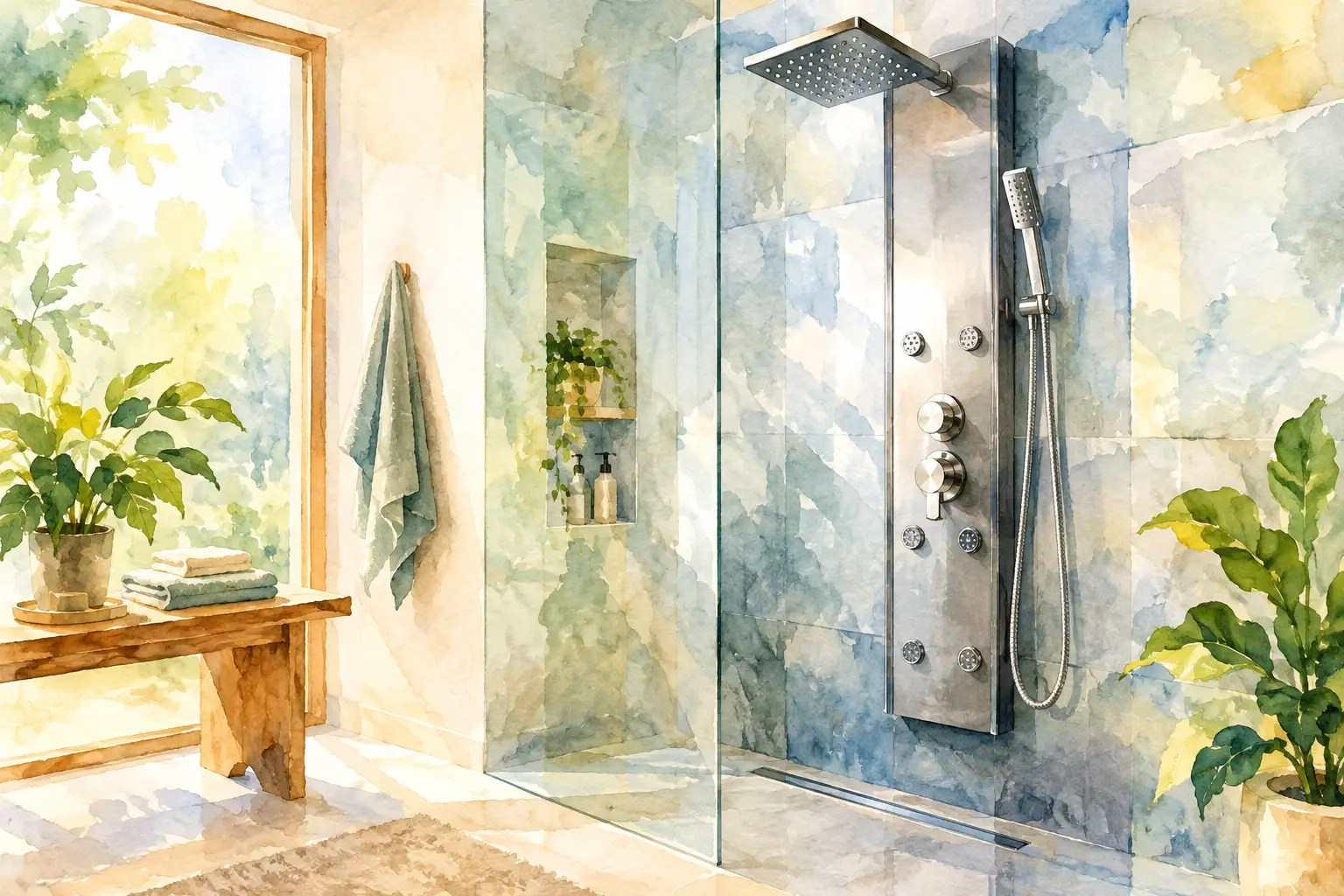
If one feature consistently rises to the top, it is a low-threshold shower. Traditional tubs and high shower curbs create one of the most common tripping hazards in the bathroom. Replacing that step with a lower entry, or eliminating it altogether when the layout allows, makes the room safer and easier to navigate.
This matters for more than wheelchair access. A lower threshold helps anyone with sore knees, balance concerns, or limited flexibility. It also makes the bathroom feel more spacious. In many remodels, a tub-to-shower conversion creates immediate daily relief while giving the room a cleaner, updated look.
The trade-off is water control. A barrier-free design needs smart planning, proper slope, and quality installation to keep water where it belongs. That is why this feature works best when it is built by a bath specialist who understands both drainage and real-world daily use.
Grab bars that look intentional
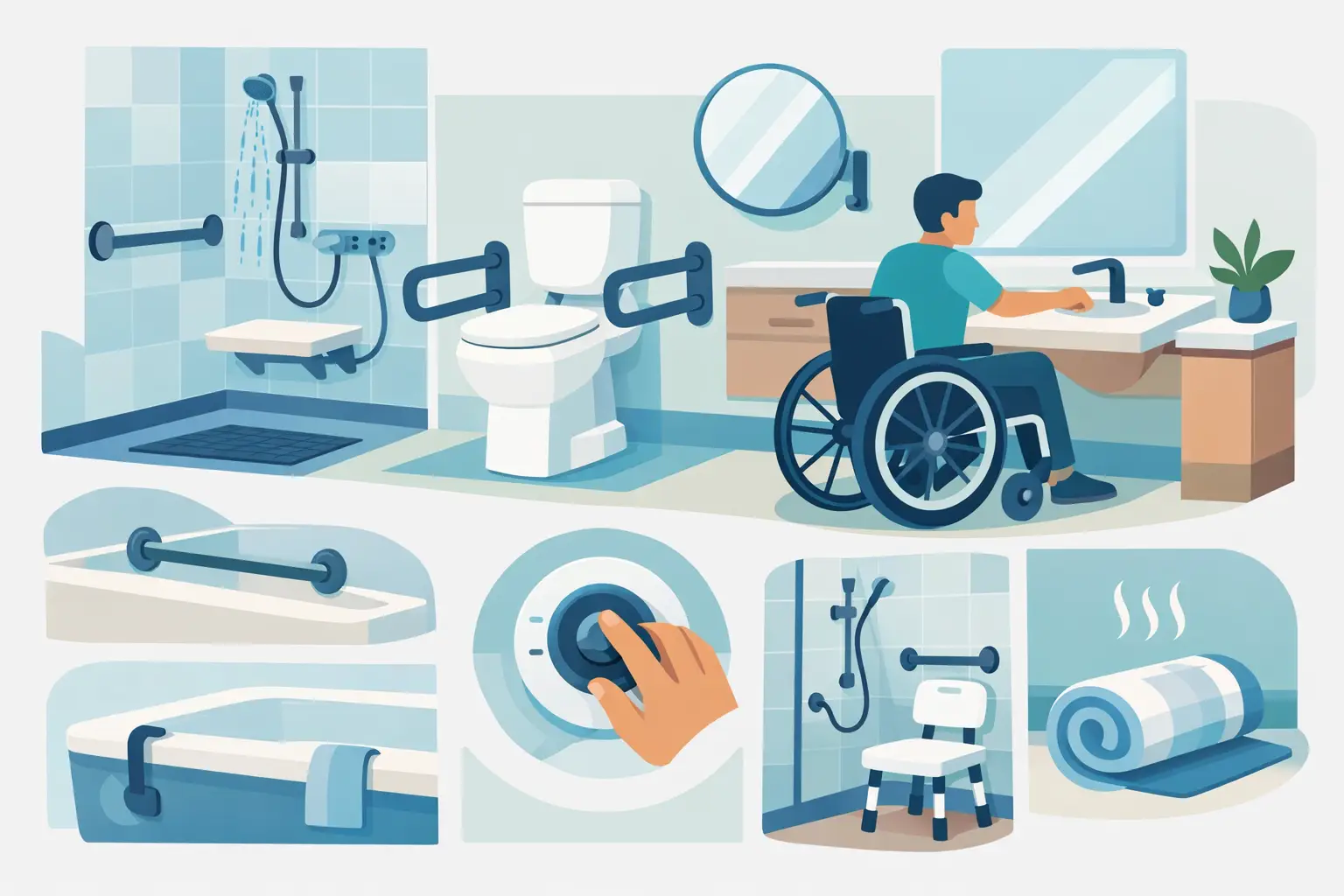
Grab bars have come a long way from the basic stainless-steel bars people associate with hospitals. Today, they can be integrated into the bathroom design in finishes and styles that look polished, not clinical. When placed correctly near the shower entry, inside the shower, and by the toilet, they provide steady support exactly where slips are most likely to happen.
Placement matters more than homeowners often realize. A poorly positioned bar can be awkward or even useless. A well-placed one feels natural from day one and becomes even more valuable over time. Some homeowners also choose bars that double as towel bars or shelving support, which helps keep the design cohesive.
A built-in shower seat
Standing for an entire shower is not easy for everyone. A built-in shower seat offers stability, comfort, and a safer way to bathe without rushing. It is especially helpful for aging adults, anyone recovering from injury, or homeowners who simply want a more comfortable shower experience.
There are different ways to approach this. A permanent built-in seat delivers the most seamless appearance and often feels more premium. Fold-down options can preserve floor space in smaller showers. The right choice depends on the bathroom footprint and who will use it most often.
Slip-resistant flooring
A beautiful bathroom floor is not enough if it becomes hazardous when wet. Slip-resistant flooring is one of the best accessibility features for bathrooms because it improves safety in a way that is always working, even when no one is thinking about it.
This applies both inside and outside the shower. Textured shower bases and flooring materials with better traction can help reduce falls without sacrificing style. The key is balance. Some highly textured surfaces can be harder to clean, so it is worth choosing materials that offer grip while still supporting a low-maintenance routine.
Comfort-height toilets
A standard toilet can sit lower than many people realize, and that extra effort to sit down and stand up adds up fast. Comfort-height toilets are slightly taller, which makes transfers easier and reduces strain on the knees and hips.
This is one of the most practical upgrades because it supports accessibility without changing how the bathroom looks or functions for other household members. It feels familiar, just easier. In a remodel focused on long-term comfort, it is often a smart addition that homeowners appreciate more every year.
Wider entries and better clearances
Sometimes the biggest accessibility improvement is not a product at all. It is space. A bathroom that feels cramped is harder to use safely, especially with a walker, wheelchair, or even just limited mobility. Widening a doorway, improving turning clearance, or reworking fixture placement can dramatically change how comfortable the room feels.
This is where full bathroom planning matters. A homeowner may start by thinking they need a specific safety feature, when the larger issue is that the room layout is fighting them at every turn. Better spacing can make every other upgrade work better.
Handheld showerheads
A handheld showerhead is one of the simplest upgrades with the biggest daily payoff. It gives users more control, makes seated showering easier, and helps with cleaning the shower itself. For multigenerational households, it is also useful for bathing children, assisting a spouse, or rinsing pets.
The best installations place the controls and handheld unit where they can be reached without stepping fully into the water stream first. That small detail makes the shower feel more comfortable and controlled from the start.
Easy-to-reach controls and storage
Accessibility is not just about avoiding falls. It is also about reducing awkward movement. Shower controls should be reachable without stretching or twisting. Storage should not require bending down to floor level or reaching high overhead for everyday items.
Built-in shower niches, thoughtfully placed shelving, and accessible vanity storage can make routines smoother and less tiring. These choices may sound minor compared to bigger structural upgrades, but they have a major effect on comfort. The best accessible bathrooms work because dozens of small frustrations have been designed out of the room.
Better lighting with less glare
Poor lighting can make any bathroom harder to use. Shadows near the shower entry, dim vanity lighting, and reflective glare on shiny surfaces all make movement less secure. Strong, even lighting improves visibility and helps users judge depth, edges, and wet areas more clearly.
A layered approach usually works best. Overhead lighting brightens the room, while vanity lighting supports grooming tasks. For some homeowners, adding lighting that turns on easily during nighttime trips to the bathroom is just as important as the main fixtures.
Walk-in tubs for the right homeowner
Walk-in tubs can be an excellent accessibility solution, but they are not the best fit for every household. For homeowners who prefer soaking baths, need a seated bathing option, or want a more secure tub entry, they can offer meaningful comfort and peace of mind.
The main consideration is how the tub will be used. A walk-in tub requires the bather to enter before filling and remain seated while draining. Some homeowners are perfectly comfortable with that trade-off. Others find that a low-threshold shower is more convenient for everyday life. This is one of those decisions where lifestyle matters as much as safety.
Style still matters – and it should
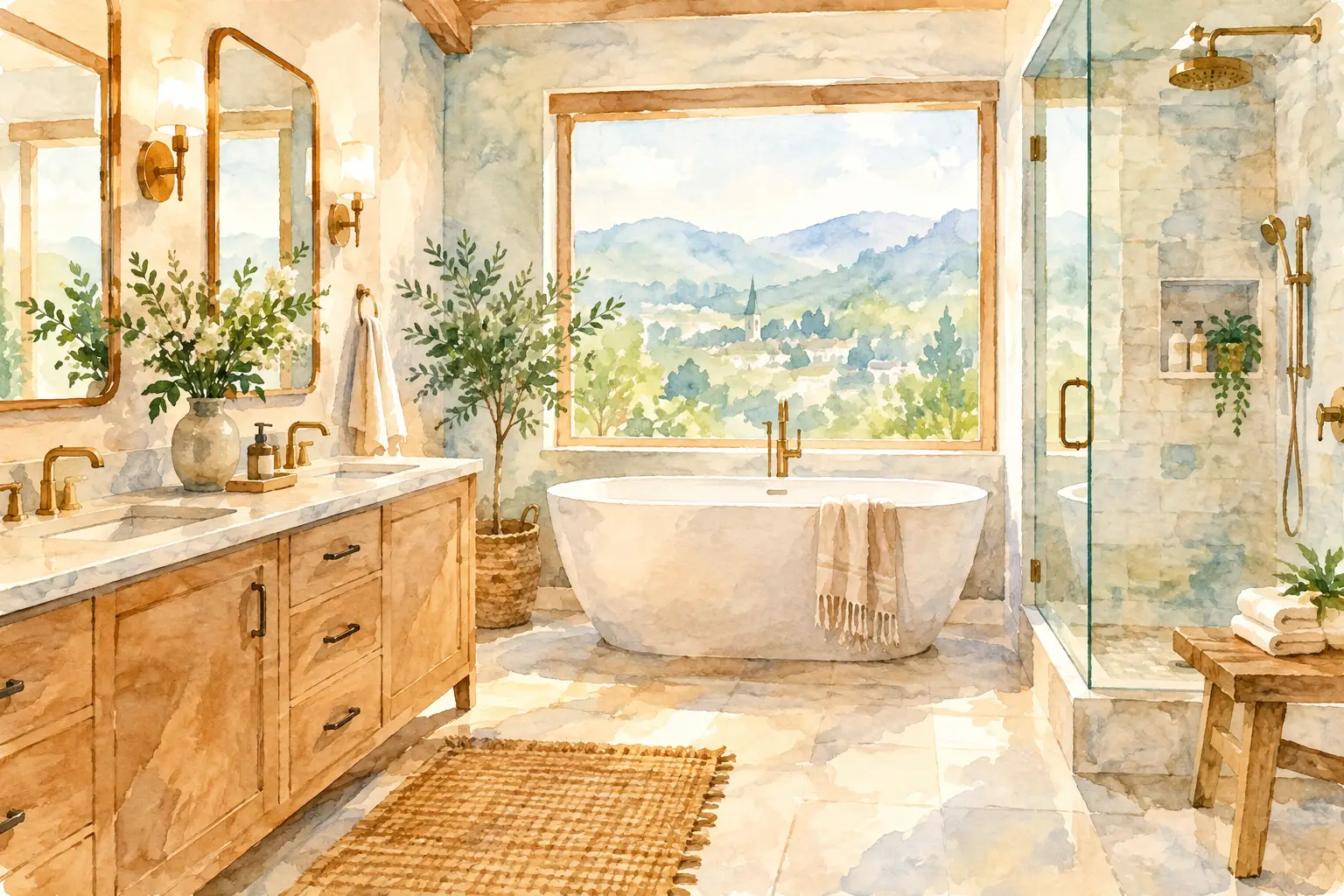
One of the biggest misconceptions about accessibility remodeling is that it requires sacrificing beauty. In reality, the most successful bathrooms blend safety and style so well that the room simply feels better designed. Clean wall surrounds, modern fixtures, elegant finishes, and low-maintenance materials all support that goal.
That is why homeowners often get the best results when they think beyond a single product and consider the bathroom as a whole. A safer shower, a better layout, durable materials, and a polished finish can all work together. When done well, accessibility does not look like a compromise. It looks like a smart, premium upgrade.
For homeowners who want a bathroom that is safer today and easier tomorrow, the best plan is rarely the most complicated one. It is the one that fits your home, your routine, and your comfort level without creating new frustrations. A well-designed accessible bathroom should feel natural from the moment you step in – more secure, more comfortable, and fully built for the way you live.