
A bathroom makeover can change the way your home feels every morning and every evening. But before you choose a beautiful shower wall, a safer walk-in tub, or a fresh modern finish, you need a spending plan that protects your goals. Knowing how to budget a bathroom makeover means more than choosing a number. It means deciding what comfort, safety, durability, and convenience are worth to your household.
For homeowners in Woodstock and across North Metro Atlanta, the best budget is one that reflects the bathroom you actually use. A guest bath with an aging tub has different priorities than a primary bathroom where you want a more luxurious shower experience. Start with the result you want, then build a plan that leaves room for professional installation and long-term peace of mind.
Start With the Transformation, Not a Random Number
It is tempting to search for an average remodeling price and use it as your budget. That number rarely tells the whole story. Bathroom costs vary based on the size of the space, the condition behind the walls, plumbing changes, product selections, accessibility needs, and the scope of installation.
Instead, define your non-negotiables first. Perhaps you need to replace a stained, difficult-to-clean tub surround. Maybe stepping over a high tub wall has become a daily concern. Or you may want a custom shower that makes a cramped bathroom look brighter and more open. When you know the problem you are solving, it is easier to put your money in the places that matter most.
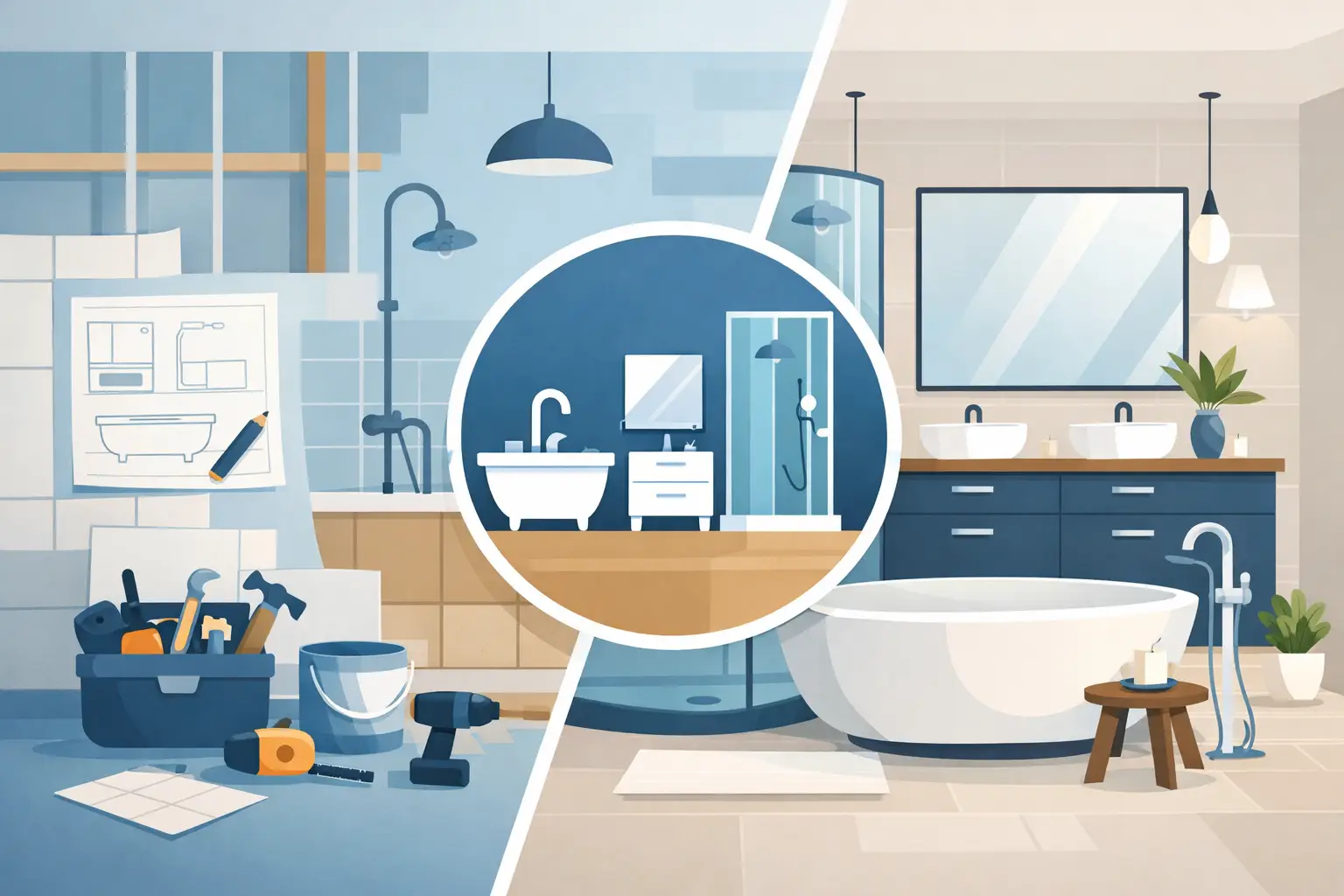
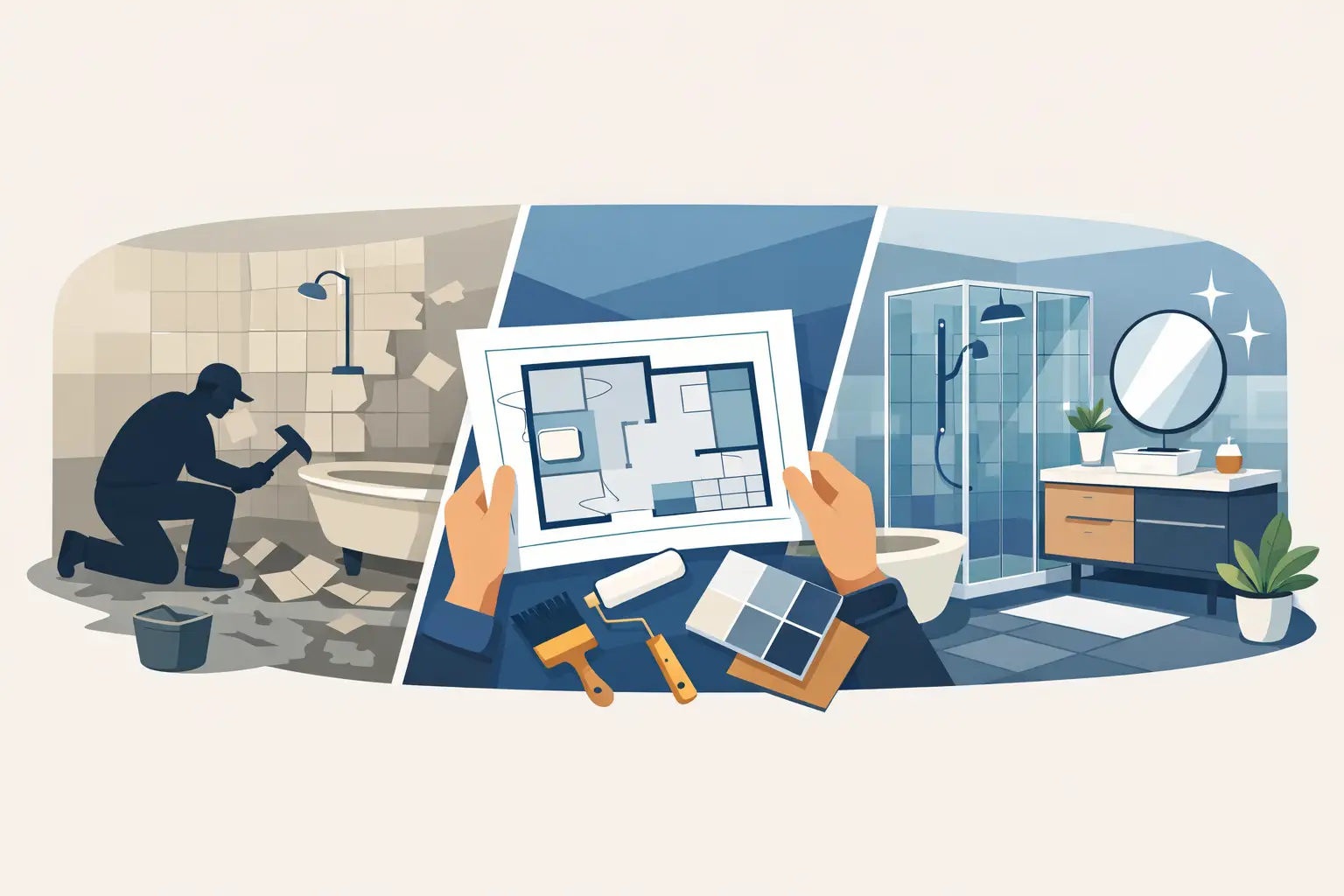
A focused bath or shower remodel often gives homeowners the most visible improvement with less disruption than rebuilding every inch of the room. If your vanity, flooring, and layout still work well, a tub-to-shower conversion or new shower system may be the smarter investment. If several elements are worn, outdated, or poorly functioning, a more complete makeover can provide better value than making small repairs year after year.
Set a Comfortable Investment Range
Give yourself a realistic range rather than one hard ceiling. Your lower number should cover the outcome you need. Your upper number should account for upgrades that would make the space safer, easier to maintain, or more enjoyable for years to come.
For example, a homeowner may begin with the goal of replacing a shower surround. During the planning process, they may decide that built-in shelving, a low-threshold entry, and upgraded fixtures will make a meaningful difference in daily use. Those choices increase the investment, but they can also eliminate common frustrations and reduce the chance of needing another remodel too soon.
Be honest about how long you plan to stay in your home. If you expect to enjoy the space for the next decade or longer, durable materials and accessibility features can be especially worthwhile. If you are preparing to sell, focus on clean, broadly appealing updates that improve the bathroom’s appearance and functionality without overcomplicating the project.
Separate Needs From Nice-to-Haves
A clear priority list keeps a bathroom budget from drifting. Your needs may include waterproof wall materials, a safer entry, reliable plumbing fixtures, or a layout that accommodates mobility changes. Nice-to-haves may include a rainfall showerhead, decorative hardware, extra storage, or a more customized design.
There is no wrong choice if it serves your home and your lifestyle. The goal is to avoid spending heavily on surface details while leaving essential performance issues unresolved. A shower should be beautiful, but it also needs to be properly installed, easy to clean, and built to handle everyday use.
Account for What Is Behind the Walls
The visible products are only one part of a bathroom makeover budget. Older bathrooms can hide water damage, aging plumbing connections, mold concerns, or subfloor issues that must be addressed before new materials are installed. A professional consultation helps identify likely concerns early, before you commit to a design based on incomplete information.
This does not mean you should expect the worst. It means you should reserve a contingency amount for conditions that cannot be confirmed until the existing tub, shower, or wall system is opened. The amount depends on the age and condition of your bathroom, but setting aside a portion of your budget can prevent stressful decisions later.
The contractor you choose also matters. A low initial quote may leave out demolition, disposal, waterproofing, trim work, or necessary repairs. Ask what is included in the scope of work and what may create an additional charge. Clear answers are a sign that the installer understands the project and respects your investment.
Compare Value, Not Just the Lowest Quote
When learning how to budget a bathroom makeover, homeowners should compare proposals line by line. Two prices can look similar while covering very different levels of quality, labor, and protection.
Look beyond the product color or fixture style. Ask about the materials used behind the finished surface, the installation process, cleanup expectations, estimated timeline, and warranty coverage. A bath remodel that is completed quickly is appealing, but speed should come from specialized experience and an organized process, not skipped preparation.
A premium, low-maintenance bath or shower system can cost more upfront than a basic cosmetic update. In return, it may offer easier cleaning, stronger water protection, better durability, and a more polished appearance. For busy families and established homeowners, that can be the better long-term value.
Elite Bath Solutions focuses exclusively on bath and shower transformations, helping homeowners make confident selections without managing a drawn-out, multi-contractor project. Specialized guidance can make a major difference when you are balancing style, safety, and budget.
Use Design Choices to Control Cost
You do not have to sacrifice a high-end look to stay within your range. The most effective way to control costs is to make intentional choices early. Keeping plumbing in its current location can reduce labor and complexity. Selecting a proven shower system rather than combining several custom materials can also create a clean, elevated result with a more predictable installation process.
Choose features that deliver everyday value. A built-in seat may be ideal for someone who wants a more comfortable shower or plans to age in place. A low-threshold shower can improve access while giving the room a modern, open look. Wall surrounds with minimal grout lines can reduce cleaning time and help the bathroom stay fresh-looking with less effort.
Customization still has a place. The right wall finish, glass enclosure, shelving, and hardware can make the space feel personal. Just decide which details matter most before the project begins. Changing selections after materials are ordered can add cost and delay the transformation.
Consider Financing Without Losing Sight of the Total
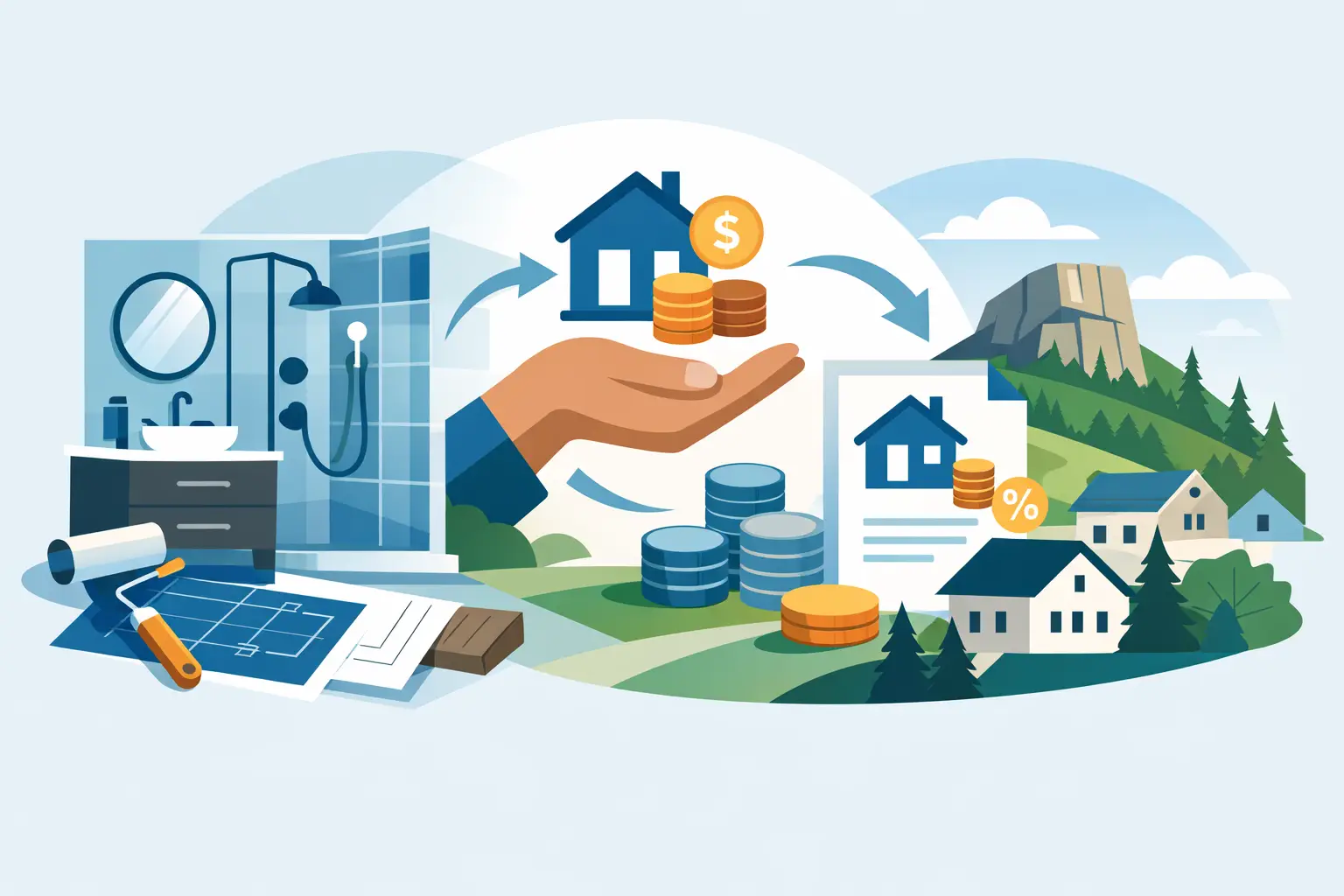
Financing can help many homeowners complete the bathroom they want now rather than postponing needed updates. It can be especially useful for an accessibility upgrade, a failing tub or shower, or a project where durable materials are a higher priority than a bare-bones fix.
Before choosing a payment plan, look at the total project cost, monthly payment, interest rate, term length, and any promotional period. A lower monthly payment may extend the repayment period, while a short promotional offer may require careful planning before the terms change. The right option depends on your household budget and how quickly you expect to pay the balance.
Financing should support a well-planned project, not encourage unnecessary add-ons. Use it to invest in the features that improve your daily life and protect your home, then keep the final scope aligned with the range you established.
Get a Detailed Consultation Before You Commit
A free in-home consultation is one of the most practical budgeting tools available. It gives you the opportunity to discuss your goals, see appropriate design options, evaluate the condition of the existing space, and receive a clear project recommendation.
Bring your priority list to the appointment. Mention any concerns about stepping into the tub, cleaning grout, water leaks, storage, or future mobility. Share your ideal investment range as well. A trustworthy bathroom specialist can recommend options that fit your needs instead of pushing a one-size-fits-all package.
Ask whether the estimate includes products, labor, materials, demolition, removal of old fixtures, and warranty protection. You should also understand the expected installation schedule and how the team will protect your home during the work. A well-defined proposal lets you make decisions with confidence rather than guessing at what comes next.
Your bathroom should feel like a place of comfort, not a list of repairs waiting to happen. Build a budget around the improvements that will make the greatest difference every day, and choose a remodeling partner who can turn that plan into a beautiful, dependable space.