
A bathroom should not become harder to use simply because a homeowner’s needs change. The most meaningful bathroom accessibility design trends are moving far beyond clinical-looking grab bars and institutional finishes. For Woodstock and North Metro Atlanta homeowners, the focus is now on creating a polished, spa-inspired space that makes daily routines safer, easier, and more comfortable for years to come.
That shift matters because accessibility is not one-size-fits-all. A family may want a low-entry shower that is easier for children and grandparents to use. An empty nester may be planning ahead to stay comfortably in the home they love. Another homeowner may need a practical solution now after surgery, an injury, or reduced mobility. The right remodel supports real life without sacrificing the style, quality, or low-maintenance features that make a bathroom feel like a true upgrade.
Bathroom Accessibility Design Trends With Lasting Value
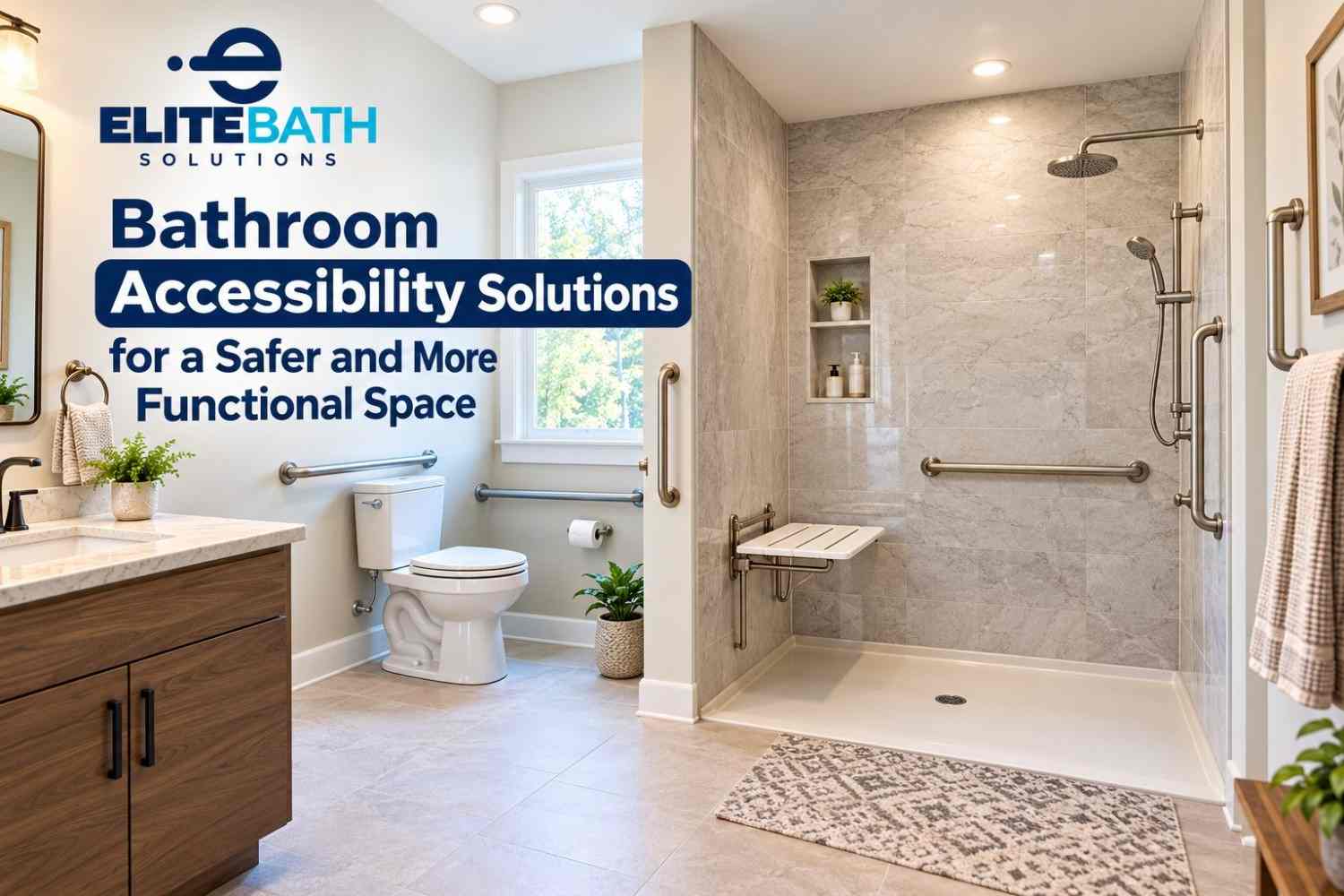
Low-threshold showers are replacing high tub walls
A low-threshold or barrier-free shower is among the most requested accessibility upgrades, and it is easy to see why. Stepping over a tall tub wall can feel awkward at any age, especially when the floor is wet. A shower with a minimal entry reduces that obstacle while giving the room a clean, open look.
This design works especially well in a tub-to-shower conversion. Removing an underused bathtub can create more usable space, improve access, and make the room feel brighter. Modern shower bases and wall systems are available in finishes that look refined rather than medical, from crisp white surrounds to stone-inspired textures.
There is a practical trade-off to consider. A fully curbless shower may require additional floor and drainage work, depending on the existing bathroom structure. A low-threshold shower often delivers much of the same everyday convenience with a faster, more straightforward installation. During a professional consultation, the best choice comes down to the layout, budget, and level of access the household needs.
Built-in seating is becoming a design feature
Shower seating is no longer an afterthought. Built-in benches and fold-down seats are being specified as comfort features as much as accessibility features. They offer a convenient place to sit while bathing, shaving, or resting, and they can make a shower feel more like a personal retreat.
A corner seat can be an excellent option in a compact shower because it preserves standing room. A larger built-in bench brings a more custom look and is ideal when the shower footprint allows it. Fold-down seating can be especially helpful where multiple users want flexible space.
The detail that separates a good seat from a great one is placement. It should be positioned away from the direct spray when possible, easy to reach from the controls, and finished in a durable, water-resistant material. A professionally planned shower keeps the seat useful without making the space feel crowded.
Grab bars are being integrated with intention
The old image of a grab bar is a hospital-style metal rail mounted wherever there happens to be wall space. Today’s options are more refined. Grab bars are available in finishes that coordinate with faucets, shower doors, and hardware, including brushed nickel, matte black, bronze, and polished chrome.
Placement matters more than appearance, however. A bar near the shower entry, a properly positioned support bar at the bathing area, and an additional bar near the toilet can make a dramatic difference in confidence and stability. Towel-bar-style accessories may look appealing, but they should never be used as a substitute for a securely installed grab bar designed to support body weight.
Planning for reinforcement is also smart, even for homeowners who do not need support bars today. Adding the proper backing during a remodel gives you flexibility to install them later without reopening finished walls. That is a small planning decision with long-term value.
Handheld showerheads offer flexibility without fuss
A handheld showerhead is one of the simplest upgrades with the biggest daily impact. It allows a seated bather to direct water where needed, makes rinsing easier, and simplifies cleaning the shower walls and floor. When paired with an adjustable slide bar, it can accommodate users of different heights.
For a clean, finished appearance, choose a system that complements the rest of the shower hardware and is easy to operate with wet hands. Lever-style controls and clearly marked temperature settings are also popular because they reduce the twisting and gripping required during use.
This is an area where convenience serves everyone. A handheld showerhead is useful for washing pets, bathing young children, cleaning the enclosure, and enjoying a more personalized shower experience. Accessibility features often become favorite comfort features for the entire household.
Safer Surfaces That Still Feel Luxurious
Slip resistance is an essential part of accessible bathroom design, but homeowners do not have to settle for a rough, utilitarian floor. Textured shower bases, low-gloss finishes, and thoughtfully selected flooring provide better traction while maintaining a high-end appearance.
Large-format tile remains popular for its streamlined look, but it is not automatically the safest choice. Very smooth, glossy tile can become slippery when wet, and large tiles may limit grout lines that provide additional grip. Smaller tile, textured porcelain, or a purpose-built shower base may be a better fit for a bathroom where safety is the priority.
Easy-clean wall surrounds are another major trend. Fewer grout joints mean less scrubbing, less opportunity for mildew buildup, and a more polished finish over time. For busy homeowners, low-maintenance materials are not just a luxury. They help keep the bathroom looking fresh without turning routine cleaning into a demanding chore.
Lighting is part of the safety conversation, too. A bathroom can have beautiful finishes and still be difficult to navigate if shadows make the shower threshold, toilet area, or vanity hard to see. Layered lighting, including bright vanity lighting and a well-lit shower area, improves visibility while making the room feel more inviting. Night lighting can add reassurance for anyone who makes frequent late-night trips to the bathroom.
Walk-In Tubs Are Evolving Into Personal Wellness Spaces
Walk-in tubs remain a valuable solution for homeowners who prefer soaking to showering or who need a seated bathing experience. Modern models offer watertight doors, built-in seating, easy-reach controls, and options such as hydrotherapy or air jets. For someone dealing with joint discomfort or limited balance, these features can make bathing feel less stressful and more restorative.
Still, a walk-in tub is not the best answer for every bathroom. Users must be comfortable entering the tub before it fills and waiting for it to drain before opening the door. A low-threshold shower may be more practical for a homeowner who wants a quick daily routine, while a walk-in tub can be the right choice for someone who values soaking and seated support.
The strongest remodeling plans begin with an honest conversation about how the bathroom is used now and how it may be used in the future. That is how accessibility becomes personal rather than generic.
Designing for Aging in Place Without Losing Style
Aging in place is often discussed as a future concern, but the best time to plan for it is before an urgent need arises. An accessible remodel can support independence, reduce avoidable obstacles, and help a homeowner enjoy the bathroom more fully today.
The goal is not to predict every possible change. It is to make smart, durable decisions that leave room for flexibility. Wider shower entries, accessible controls, comfortable-height fixtures, supportive hardware, and easy-to-maintain materials create a bathroom that adapts gracefully.
For many Atlanta-area homes, space is the deciding factor. A full bathroom may not be large enough for every desired feature, so priorities matter. A specialist can help identify which changes provide the greatest improvement in safety and convenience without forcing a complete reconfiguration of the room.
A quality installation matters just as much as the design. Waterproof construction, secure hardware, properly sloped shower floors, and materials built for everyday use protect the investment behind the walls as well as the finished look homeowners see each morning.
The best accessible bathroom does not announce itself as accessible. It simply feels easier to enter, safer to use, simpler to clean, and more enjoyable every day. Elite Bath Solutions can help turn that vision into a thoughtfully designed bath or shower upgrade that brings lasting comfort home.