A slick tub floor and a high tub wall can turn an ordinary bath into a real safety concern. That is why so many homeowners ask, are walk in tubs safe? The short answer is yes – when they are well designed, professionally installed, and chosen for the right person’s needs. The better answer is that safety depends on the details.
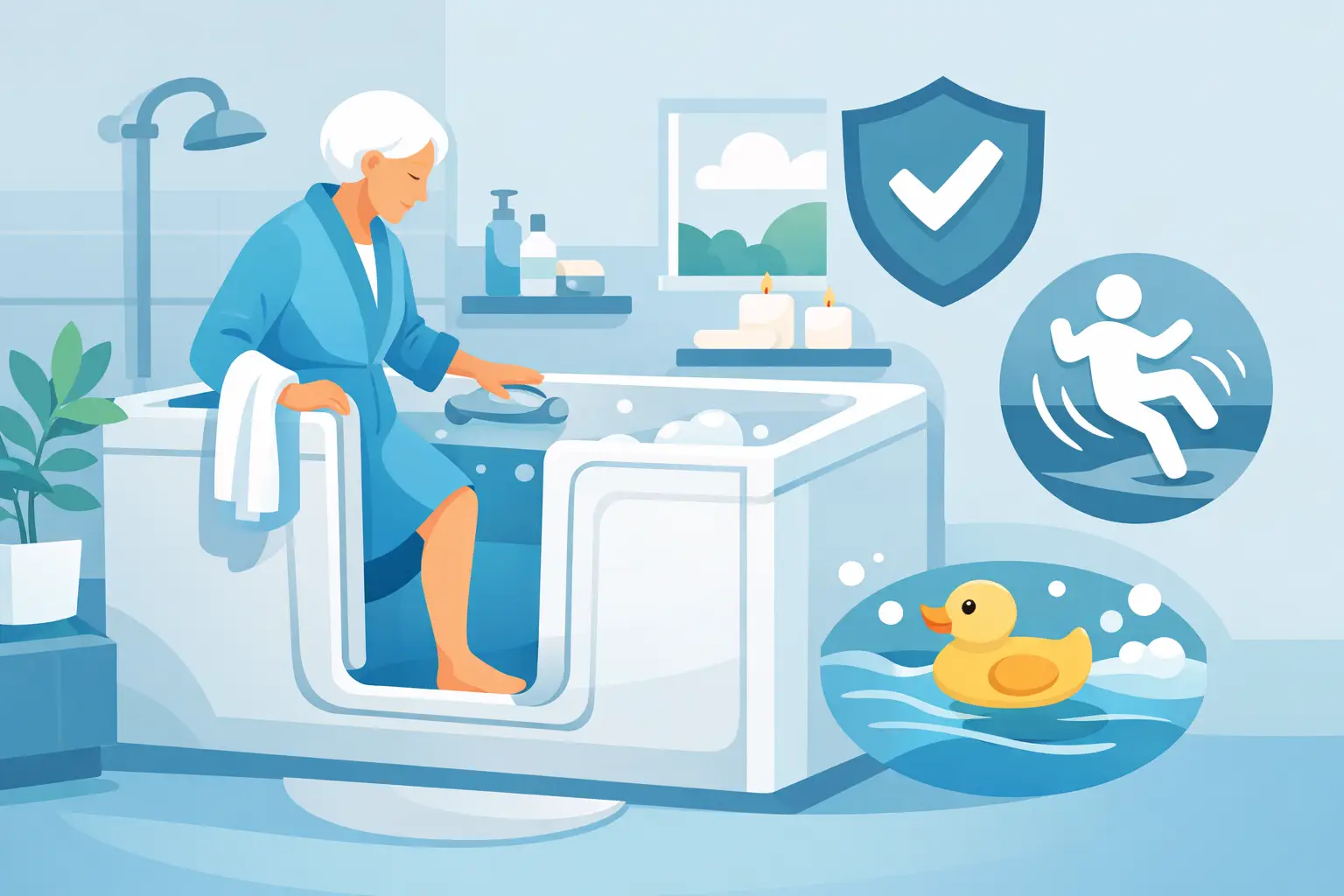
A walk-in tub is built to reduce the biggest risk points in a traditional bathtub. Instead of stepping up and over a tall edge, you step through a low-entry door. Instead of lowering yourself down to the floor of the tub and struggling to stand back up, you sit on a built-in seat. Those two changes alone can make bathing more manageable for older adults, people with mobility challenges, and anyone planning to age in place with more confidence.
Are Walk In Tubs Safe Compared to Standard Tubs?
For many homeowners, they are significantly safer than a standard tub. The main reason is simple. Traditional bathtubs require balance, leg strength, and a fair amount of flexibility. That combination becomes harder with age, after surgery, or when dealing with arthritis, joint pain, or reduced stability.
Walk-in tubs are designed around safer entry and exit. Most models include textured flooring, low thresholds, grab bars, and easy-to-reach controls. Many also include handheld shower wands, which reduce the need for awkward movement while bathing. These features are not luxury add-ons. They are the foundation of what makes the product safer in the first place.
That said, safer does not mean risk-free. A poorly made tub, rushed installation, or a model that does not fit the user can still create frustration or hazards. Safety comes from the whole system – the tub design, the bathroom layout, and the quality of installation.
What Safety Features Matter Most?
If you are evaluating whether a walk-in tub is a smart upgrade, the strongest safety features deserve the most attention.
A low step-in threshold is one of the biggest advantages. The lower the entry, the less lifting and balancing required. This can make a dramatic difference for homeowners who feel unsteady stepping over a standard tub wall.
A built-in seat is just as important. Sitting at chair height is easier on the knees, hips, and back. It also creates a more stable bathing position, especially for people who cannot comfortably lower themselves into a deep traditional tub.
Slip-resistant flooring adds another layer of protection. Wet bathroom surfaces are one of the most common causes of falls, so a textured tub floor helps reduce that risk. Grab bars are also essential, not optional. They should be securely placed where the user naturally needs support while entering, sitting, standing, and exiting.
Fast-fill and quick-drain systems matter more than many people expect. Because walk-in tubs must be entered before filling and exited after draining, wait time becomes part of the experience. A tub that fills and drains efficiently can make the process more comfortable and practical, especially for older adults who do not want to sit and wait too long.
Temperature controls are another major factor. Anti-scald protection helps prevent sudden hot-water changes, which is especially important for seniors with more sensitive skin or slower reaction time.
The Safety Concerns Homeowners Should Know
The safest remodel decisions come from understanding both the benefits and the trade-offs.
The most common concern with walk-in tubs is the door. If the tub door seal is low quality or the installation is not done correctly, leaks can become an issue. That is why professional installation matters so much. A properly fitted, high-quality unit should create a watertight seal and perform reliably over time.
Another concern is the time spent waiting for the tub to fill and drain. Some homeowners are surprised by this if they have only seen the product in photos. You enter the tub, close the door, and then fill it. When the bath is over, you drain the water before opening the door to step out. For many people, this is a minor adjustment. For others, especially if they become chilled easily, it is something worth planning for.
There is also the question of whether a walk-in tub is right for someone with advanced mobility limitations. If a person cannot transfer safely onto the built-in seat without help, or if they need caregiver access, a different bathing setup may be more practical. In some cases, a barrier-free shower is the better long-term fit. Safety is not just about the product itself. It is about how well that product matches the user’s current and future needs.
Who Benefits Most from a Walk-In Tub?
Walk-in tubs are often an excellent choice for aging homeowners who want to stay in their homes longer without giving up comfort. They also make sense for people with arthritis, limited flexibility, balance concerns, or chronic pain that makes a standard tub difficult to use.
They can be a strong fit for homeowners who still enjoy soaking baths but want a safer, more supportive setup. That combination of accessibility and comfort is part of the appeal. A good walk-in tub does not feel institutional. It can feel like a premium bathroom upgrade that also happens to make daily life easier.
For families, there is another benefit. Safer bathing features can provide peace of mind not only to the person using the tub, but also to adult children or spouses who worry about slips and falls. That peace of mind has real value.
Installation Plays a Bigger Role Than Most People Realize
Even the best walk-in tub can underperform if it is installed poorly. That includes everything from plumbing connections and drainage to sealing, fit, leveling, and how the unit integrates with the surrounding bathroom.
A bathroom specialist has an advantage here. Bath remodel professionals understand the spacing, water management, and access issues that affect real-world performance. They can also help homeowners choose a model that fits the room properly instead of forcing a one-size-fits-all solution into the space.
This is where experience matters. A specialist can identify whether the homeowner would benefit more from a walk-in tub, a tub-to-shower conversion, or a custom accessibility upgrade based on the bathroom layout and the user’s mobility needs. For many homeowners in Woodstock and the greater Atlanta area, that kind of guidance is just as valuable as the product itself.
Are Walk In Tubs Safe for Seniors?
In many cases, yes. In fact, seniors are often the group that benefits most from the built-in safety features. A lower threshold, stable seat, grab bars, and slip-resistant surfaces address some of the most common bathing hazards in a traditional bathroom.
But the answer still depends on the individual. A senior with mild balance issues may do very well with a walk-in tub. Someone with severe mobility limitations may need a more customized accessibility solution. That is why an in-home consultation is so helpful. It allows the recommendation to be based on the user, not just the product brochure.
If safety is the top priority, look beyond appearance and focus on usability. Ask how easy it is to enter and exit. Ask about door seal quality, drain speed, seat height, and grab bar placement. Ask whether the controls are comfortable to reach and simple to use. Those are the details that shape day-to-day safety.
How to Choose a Safer Walk-In Tub
Start with the person who will use it most. Their mobility, strength, comfort level, and long-term plans should guide the decision. A tub that looks impressive but feels awkward in daily use is not the right investment.
Next, focus on product quality. Premium materials, dependable hardware, and thoughtfully designed safety features are worth it. This is not a place to cut corners. The bathroom gets used every day, and reliability matters.
Finally, choose an installer who specializes in bath remodeling rather than treating it like a side service. Elite Bath Solutions works with homeowners who want a bathroom upgrade that feels beautiful, practical, and built to last. That matters when you are investing in something as personal as daily safety and comfort.
A walk-in tub can absolutely be a safer choice, but the best results come from matching the right tub with the right home and the right installation team. If you are considering one, think beyond the sales pitch and picture your everyday routine. The safest bathroom upgrade is the one that makes that routine easier, steadier, and far more comfortable.