A shower should not feel like an obstacle course. For many homeowners, the biggest frustration is not the color of the tile or the age of the fixtures. It is the simple act of stepping over a high tub wall or narrow curb every single day. That is why barrier free shower design has become one of the smartest bathroom upgrades for comfort, safety, and long-term usability.
A well-designed barrier free shower looks clean and modern, but its value goes beyond appearance. It can make bathing easier for older adults, safer for anyone with limited mobility, and more practical for busy households that want less maintenance and better flow. It also helps a bathroom feel more open, which matters in smaller homes and dated layouts common across Woodstock and the greater Atlanta area.
What barrier free shower design really means
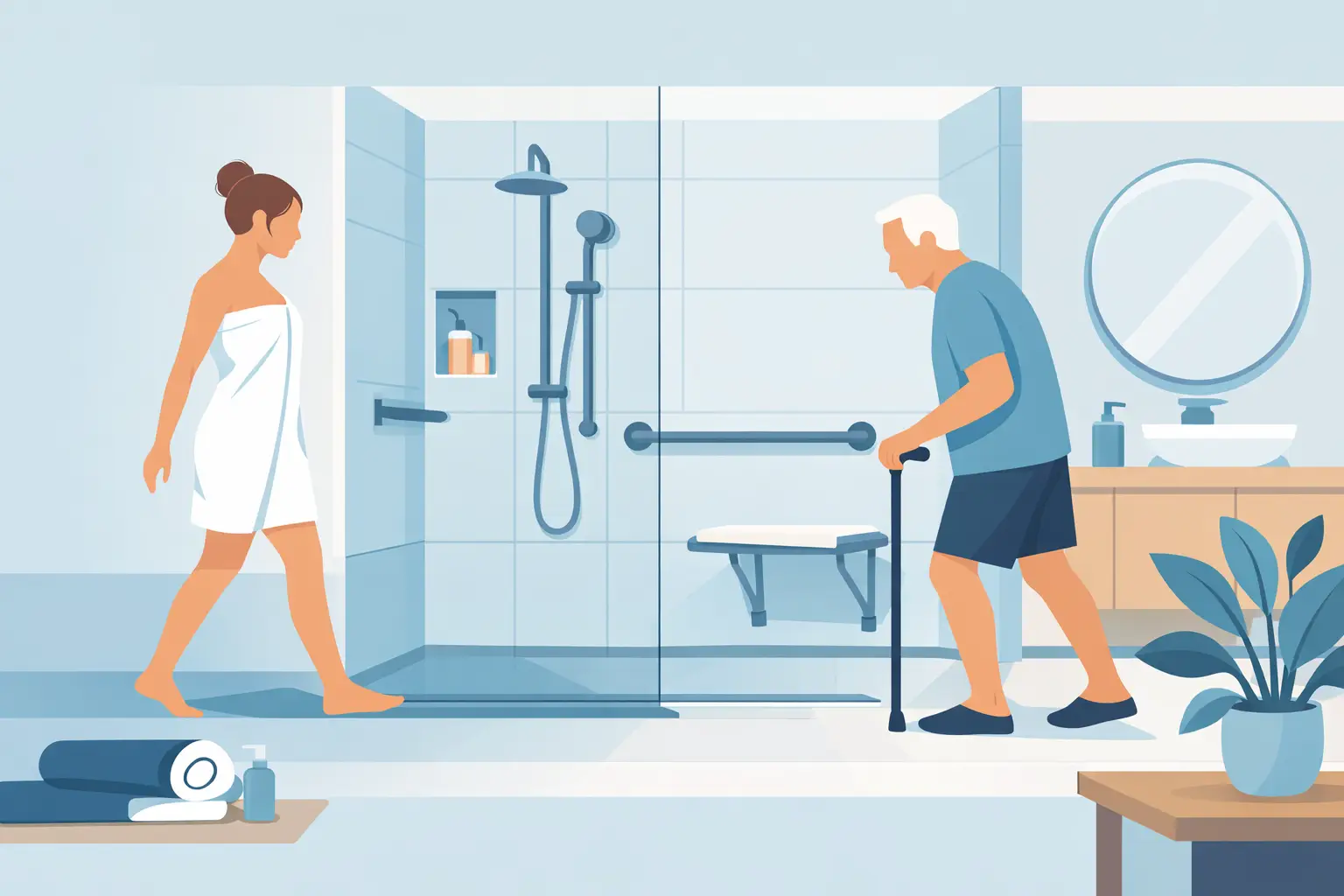
At its core, barrier free shower design removes the raised threshold that separates the shower from the rest of the bathroom floor. Instead of stepping over a curb, you walk or roll straight in. The floor is carefully sloped so water drains properly, and the entire space is planned to keep the room functional, attractive, and easy to maintain.
That sounds simple, but good results depend on precise construction. A barrier free shower is not just a shower with the curb missing. It needs the right subfloor preparation, waterproofing system, drain placement, wall materials, and layout choices to work well over time. When those details are done right, the finished shower feels effortless. When they are not, homeowners can run into water control issues or a bathroom that looks unfinished.
Why homeowners are choosing barrier free showers
For some families, the main reason is accessibility. A no-threshold entry can reduce the risk of slips and make showering much easier for someone recovering from surgery, aging in place, or using mobility aids. For others, the draw is the look. Barrier free showers fit beautifully with modern bath makeovers because they create a cleaner line and a more spacious feel.
There is also a strong practical case. Curbs, tracks, and tight corners tend to collect grime and soap residue. Removing those interruptions can make cleaning faster and less frustrating. If you are already considering a tub-to-shower conversion, this style often makes even more sense because it transforms an underused tub area into a more usable daily shower.
The design details that matter most
Floor slope and drainage
This is where performance starts. The floor has to guide water to the drain without creating an awkward feel underfoot. Too much slope can feel unstable. Too little can lead to standing water. Linear drains are a popular choice because they support a sleek look and can make tile layout easier, but center drains can also work well depending on the shower footprint.
The best option often depends on your existing bathroom structure. In some homes, the floor may need to be recessed or rebuilt slightly to achieve the right pitch. That is one reason specialized bath remodelers tend to deliver better results than general contractors handling a little bit of everything.
Waterproofing behind the surface
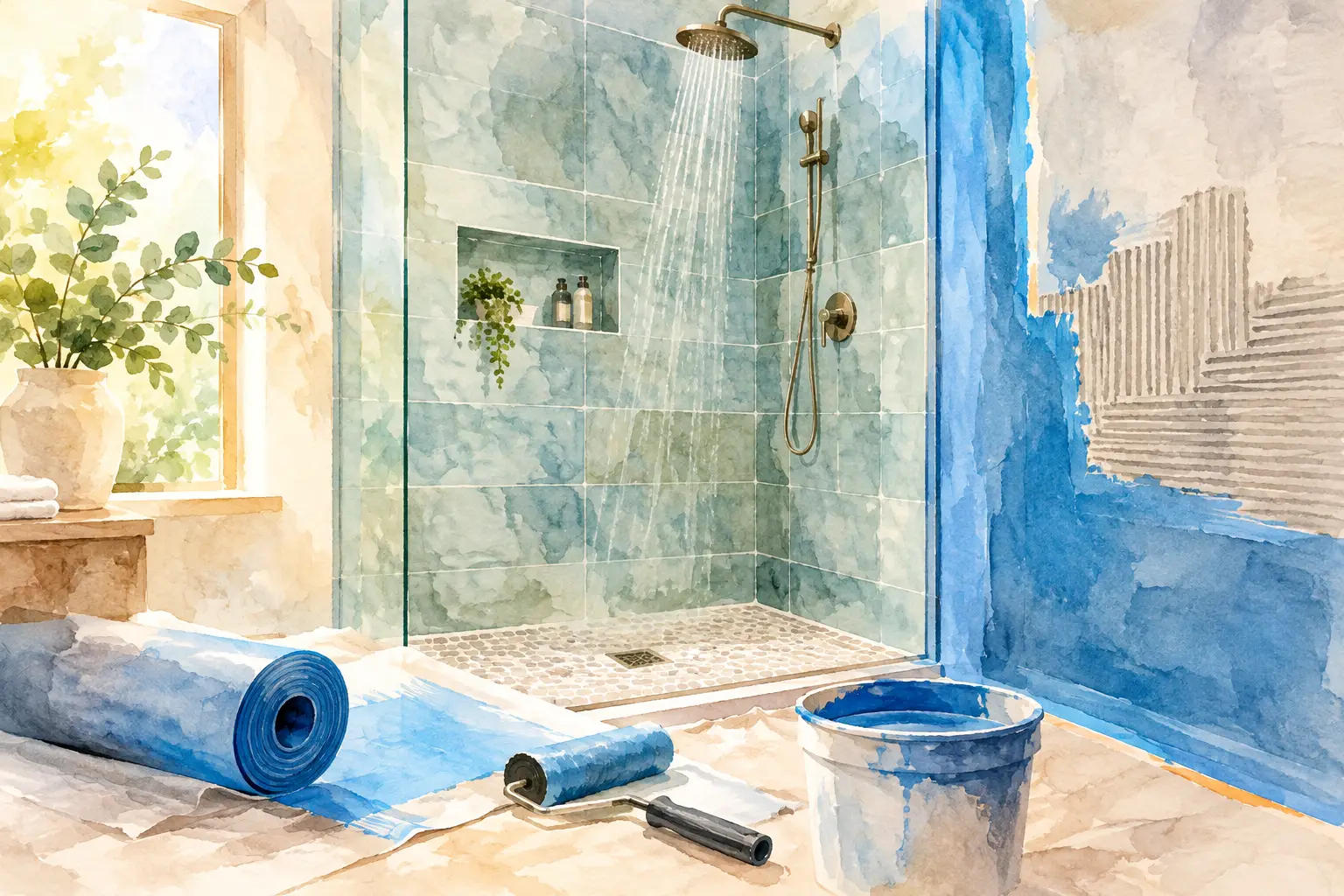
Tile and wall panels are only the visible layer. The real protection comes from the waterproofing system underneath. In a barrier free setup, this matters even more because water may reach a broader portion of the floor than in a traditional enclosed shower.
A high-quality installation should include a fully integrated waterproof system, not pieced-together shortcuts. This is one of those areas where homeowners do not always see the difference on day one, but they will absolutely feel it years later.
Size and layout
A larger footprint gives barrier free showers more flexibility, especially if you want room for a bench, grab bars, or a wider entry. But bigger is not always necessary. Even modest bathrooms can support this design with the right layout.
The key is making sure the shower area feels intentional, not squeezed in. If the opening is too tight or the spray path is poorly planned, water can escape more easily. Glass panels, partial walls, and strategic fixture placement can help contain water while preserving the open look homeowners want.
Choosing materials for style and low maintenance
One of the biggest decisions is whether to use tile, solid-surface materials, or premium wall surrounds. Tile offers design flexibility and a custom feel, but it also introduces more grout lines. For homeowners who want easier upkeep, large-format wall systems or grout-free surrounds can be a strong choice.
For the floor, slip resistance matters as much as appearance. A glossy finish may look striking in a showroom, but it is not always ideal in a wet environment. Textured surfaces, smaller tiles with more grip, or specialty low-threshold shower pans often perform better.
This is where it helps to think beyond trends. The best bathroom upgrades balance beauty with daily use. A shower that photographs well but feels slippery or hard to clean will lose its appeal quickly.
Comfort features that make a real difference
Built-in seating
A shower bench adds comfort, stability, and a more spa-like feel. It is useful for aging homeowners, but not only for them. Families appreciate the convenience too, whether for shaving, bathing children, or simply making the shower more relaxing.
Grab bars that do not look institutional
Today’s grab bars come in finishes and styles that blend into the overall design. When placed correctly, they add confidence without making the bathroom feel clinical. That is an important distinction for homeowners who want safety features without sacrificing style.
Handheld showerheads and easy controls
A handheld showerhead improves flexibility for almost everyone. It makes rinsing easier, helps with cleaning, and supports seated showering if needed. Controls should also be placed where they are easy to reach without stepping fully into the spray.
Is barrier free shower design right for every bathroom?
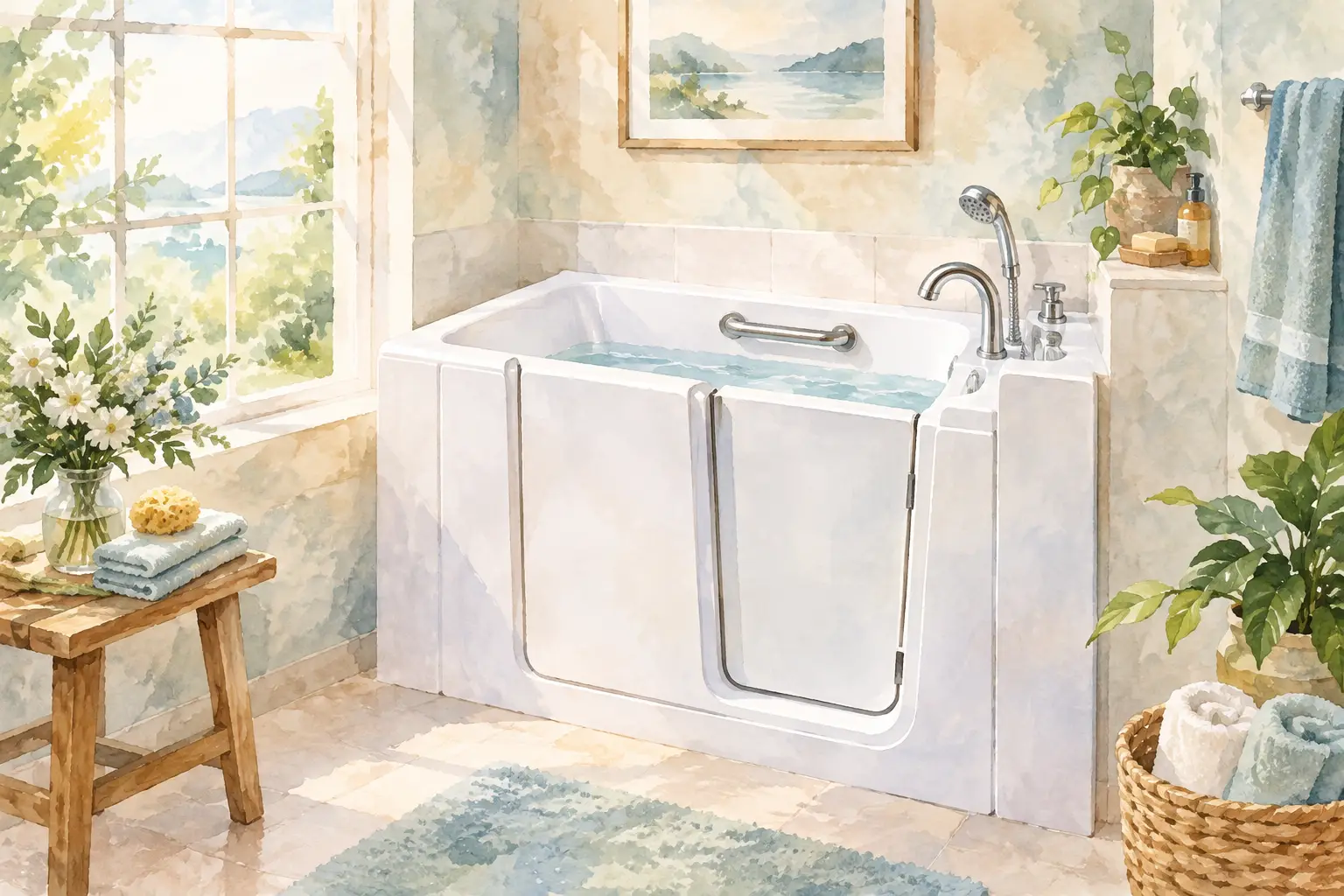
Not always, and that is where honest planning matters. Some bathrooms need structural adjustments to make the design work properly. Others may have space constraints that call for a hybrid approach, such as a very low threshold rather than a completely flush entry.
Water control is another consideration. An open, curbless shower can look beautiful, but it has to be matched to the room. If the bathroom is especially compact, careful placement of glass, drains, and fixtures becomes essential. The right answer is not always the most dramatic one. It is the one that fits your home, your budget, and how you actually use the space.
What to expect from the remodeling process
A successful barrier free shower project starts with an in-home consultation and a close look at the existing bathroom. Measurements, plumbing locations, subfloor conditions, and mobility needs all shape the final design. That early planning prevents surprises later.
From there, the focus should be on products built for wet environments, efficient installation, and long-term durability. Homeowners usually want the same thing from a remodeler: clear recommendations, a realistic timeline, and confidence that the finished shower will perform as well as it looks.
That is why working with a bath specialist matters. A company like Elite Bath Solutions is focused on this exact type of transformation, which helps streamline design decisions and installation details. For homeowners who want premium materials, faster turnaround, and a polished result without a drawn-out renovation, that specialized approach can make the process much easier.
Barrier free shower design and home value
Not every remodel needs to be about resale, but buyers do notice bathrooms that feel current, spacious, and thoughtfully designed. Barrier free showers can support that impression, especially in homes where aging-in-place features are becoming more attractive.
More importantly, this upgrade adds value to daily life right now. It can turn a cramped, outdated bathing area into one of the most comfortable spaces in the home. That matters whether you plan to stay for twenty years or simply want a bathroom that better fits your lifestyle today.
The strongest remodels do both. They improve how your home functions and make it feel more refined at the same time.
If your current shower feels hard to step into, difficult to clean, or stuck in another decade, a barrier free design may be the upgrade that changes the entire room. The best results come from balancing safety, drainage, comfort, and style so the shower works beautifully on day one and keeps working for years after.