A grab bar should feel like part of the bathroom, not an afterthought. When you install grab bars in the right locations and anchor them correctly, they provide steady support when stepping into the shower, standing from the toilet, or navigating a wet floor. Done poorly, they can loosen over time or create a false sense of security. For homeowners in Woodstock and across North Metro Atlanta, the difference comes down to thoughtful placement, proper wall support, and a design that works with the entire bathing space.
Why Grab Bar Placement Matters
Grab bars are often associated with aging in place, but they are practical for nearly every household. A slick shower floor, a rushed morning routine, an injury, or a visiting family member can turn an ordinary bathroom into a place where extra support matters. The right bar is there when it is needed, without making the room feel clinical.
Placement should follow how someone actually uses the bathroom. A bar near the shower entrance supports the transition over a threshold. A bar along the back or side wall gives the bather a stable point of contact while washing. Near the toilet, a properly positioned bar can make sitting and standing more controlled and comfortable.
There is no single layout that works for every bathroom. A tub-shower combination, low-threshold shower, walk-in tub, and custom shower each call for a different approach. The user’s height, mobility, preferred hand, and daily routine matter just as much as the room’s dimensions.
How to Install Grab Bars Safely
A secure installation starts behind the finished wall. Grab bars are designed to carry meaningful body weight, so the mounting points must connect to solid framing or a tested structural backing system. Drywall, tile, fiberglass, or acrylic alone is not enough to hold a grab bar safely.
Find the Right Wall Support
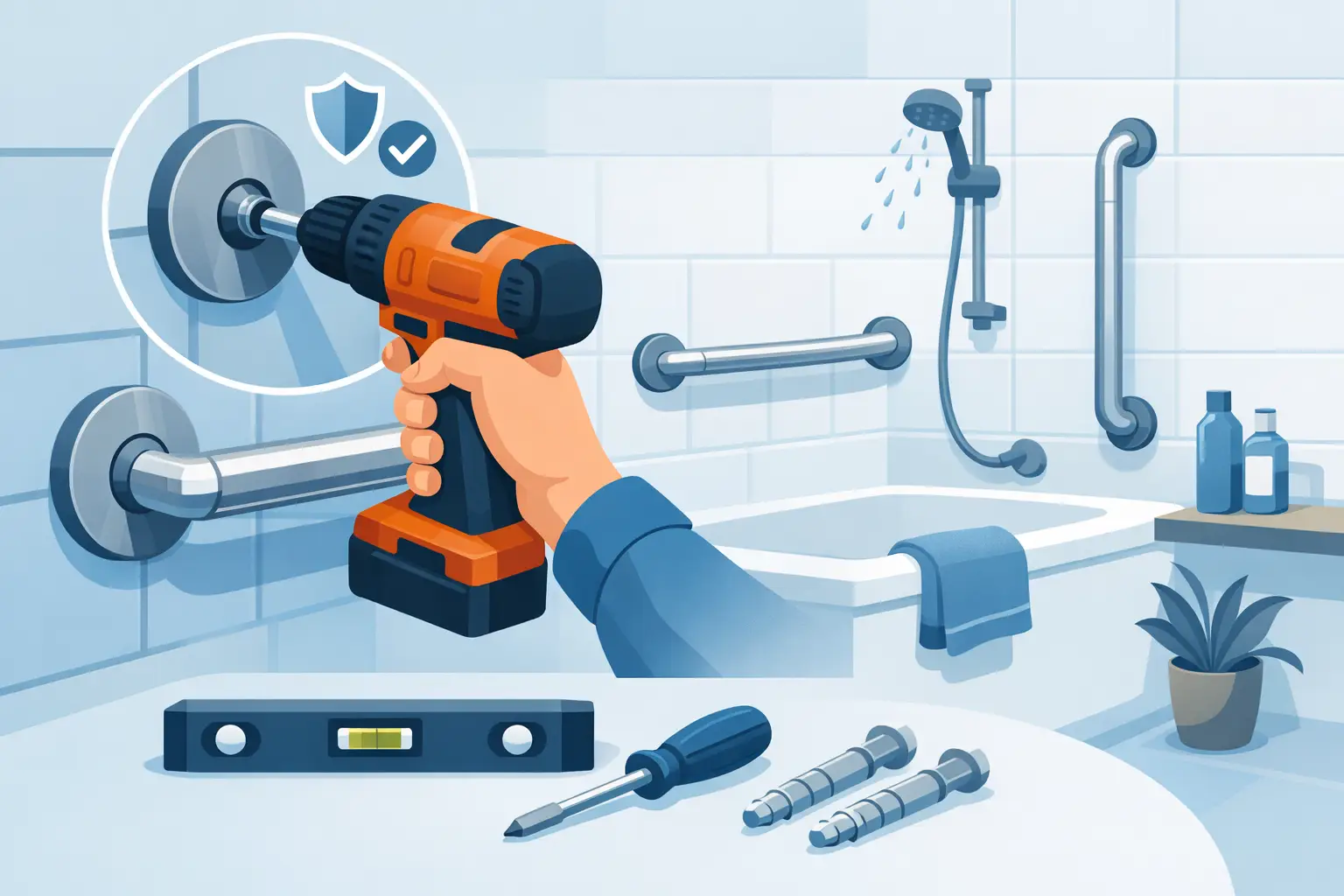
In an ideal setup, the installer locates studs and mounts the bar directly into them using hardware rated for the grab bar and wall type. Studs are commonly spaced 16 inches apart, but bathrooms vary, especially in older homes or remodeled spaces. The desired location may not line up perfectly with existing framing.
When studs are not in the right place, a professional may use specialized anchors approved for grab-bar loads or add blocking behind the wall during a remodel. Blocking is solid wood or another structural support installed between studs before the shower wall is finished. It gives the installer flexibility to place a bar exactly where it will be most useful.
This is one reason bathroom remodeling is an excellent time to plan for accessibility. Even if a homeowner does not need grab bars today, adding blocking during a tub-to-shower conversion or full bath makeover makes future installation easier and cleaner.
Measure for the Way the Bathroom Is Used
Height and angle are not just style decisions. Horizontal bars are common because they offer a long, consistent gripping surface. They work well on shower walls and beside toilets. Vertical bars can be helpful at a shower entrance because they provide support at multiple hand heights. Angled bars can offer a natural grip that supports both standing and lower movements.
For a shower, many installations place a horizontal bar around waist height, but the best measurement depends on the individual using it. A shorter homeowner may need it lower. Someone who relies on the bar while seated may need a different position than someone who uses it only while entering the shower.
Before drilling, have the intended user stand in the space and mimic the movements they make every day. Where does their hand naturally reach when stepping in? Where do they need support while turning? A bar that is technically installed correctly but awkward to reach will not provide the same confidence.
Protect the Waterproof Shower System
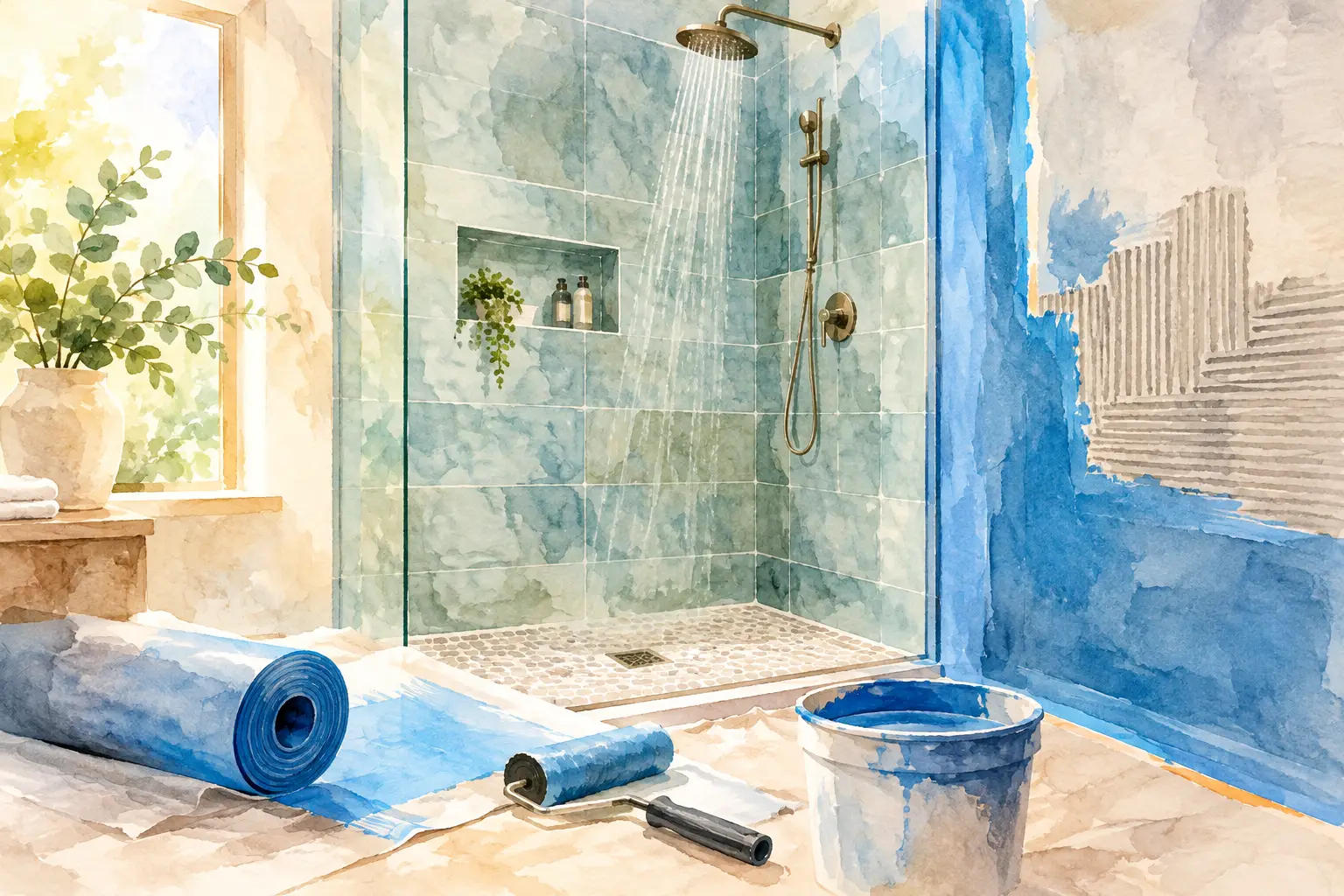
Installing through tile, acrylic, fiberglass, or other finished shower materials requires care. Each penetration through a shower wall must be properly sealed to help prevent moisture from reaching the structure behind it. Water intrusion can lead to hidden damage, mold concerns, and costly repairs that take away from the value of the upgrade.
Professional installers use the appropriate drill bits, mounting hardware, and sealants for the surrounding material. They also take time to make sure mounting flanges sit flat against the wall, with a clean finished appearance. A quality installation should look intentional and polished, not patched together.
Choose a Bar Built for Real Support
Not every bathroom accessory is a safety device. Towel bars, decorative handles, and suction-cup products should never be treated as permanent support. A true grab bar is load-rated and designed to be fastened securely to a structural surface.
Look for a comfortable grip diameter and a finish that complements the bathroom. Brushed nickel, chrome, matte black, and bronze options can coordinate with shower fixtures and cabinet hardware. Many modern grab bars have a refined, low-profile appearance that fits naturally into a spa-inspired bathroom design.
For added convenience, some bars also serve as shelves, soap holders, or hand shower supports. These can be useful, but the safety rating and mounting method should remain the first priority. Beauty is valuable, but security comes first.
The Best Places to Add Grab Bars
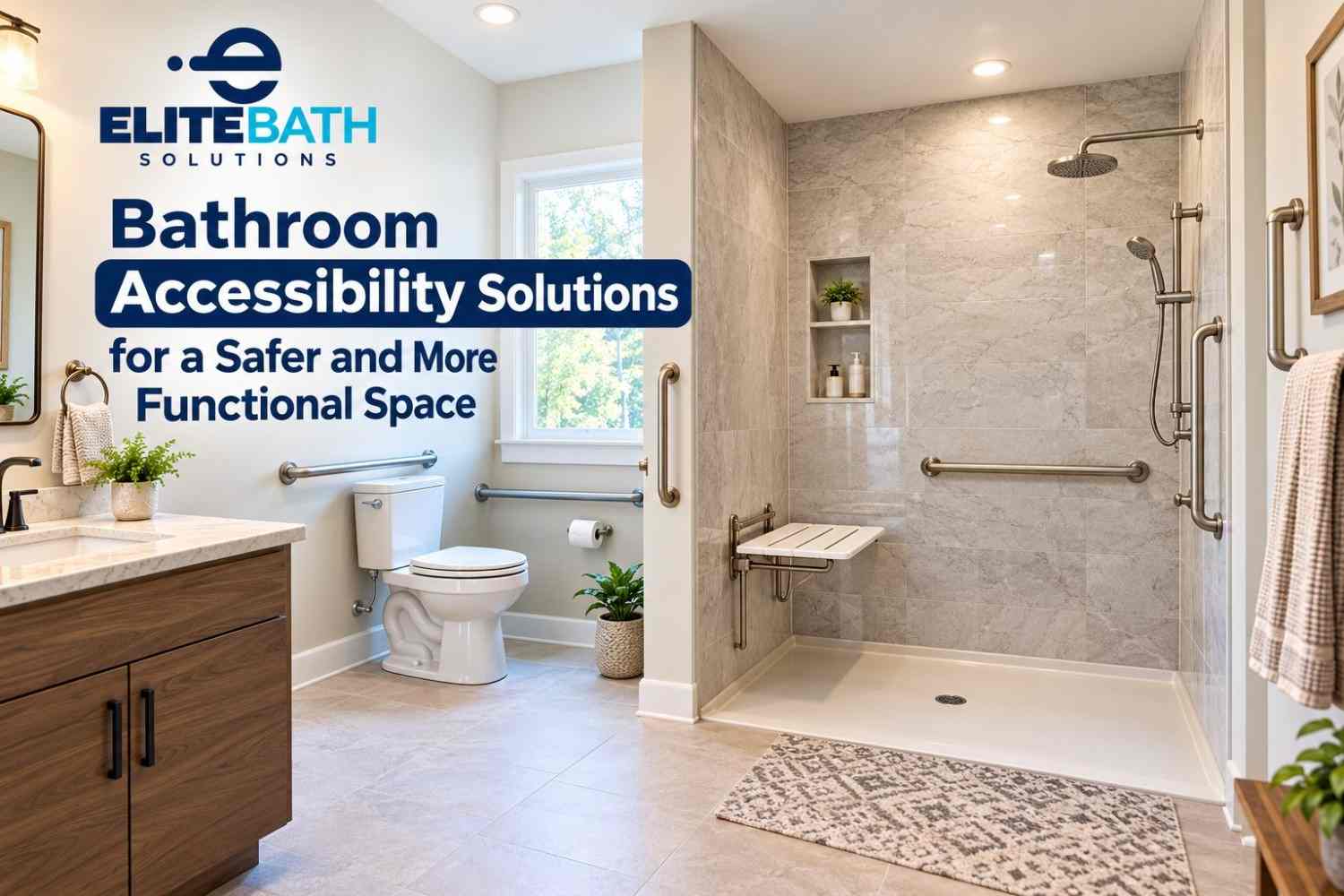
Most homes benefit from focusing on the points where balance changes: entering, exiting, sitting, standing, and turning. In a tub-shower, that may mean one vertical or angled bar near the entrance and one horizontal bar along the long wall. In a walk-in shower, support near the opening and along the main shower wall can make movement more comfortable.
Beside the toilet, placement depends on available wall space. A side-wall grab bar is often the most secure and least intrusive option. If there is no nearby wall, a floor-mounted support or a remodel-based solution may be more appropriate. A bathroom specialist can recommend an option that maintains clear walking space while providing reliable assistance.
Do not overlook the transition just outside the shower. A stable bar within easy reach can help someone steady themselves before stepping onto the bathroom floor. This is especially helpful when floors are wet or when the shower has a small curb.
When a Remodel Makes More Sense Than a Retrofit
Retrofitting grab bars is often straightforward, but it depends on the condition and construction of the existing bathroom. Older tile, cracked grout, damaged wall panels, or a narrow tub can make a simple installation less effective than a more comprehensive update.
A tub-to-shower conversion can create a lower-entry bathing space while allowing grab bars to be integrated into the design from the start. New wall systems can include the correct backing, easy-clean surfaces, and carefully selected fixtures. The result is more than a safety feature – it is a bathroom built around comfort, confidence, and everyday ease.
For homeowners planning to stay in their homes long term, this approach can be a smart investment. It improves accessibility without asking the bathroom to give up its style. It also avoids the disruption of reopening finished walls later if needs change.
Common Grab Bar Installation Mistakes
The most serious mistake is mounting a bar only to the finished wall surface. It may appear secure at first, but it can pull free when someone places real weight on it. Another frequent problem is choosing placement based solely on a standard measurement instead of the person using the bathroom.
Homeowners can also run into trouble by drilling without knowing what is behind the wall. Plumbing lines, electrical wiring, and waterproofing layers may be present. In shower areas, an incorrect hole or unsealed mounting point can create a moisture issue that is difficult to see until damage has already developed.
Finally, avoid treating grab bars as a last-minute accessory. They work best when they are part of an overall plan that considers shower entry, flooring, lighting, seating, and fixture placement. A safer bathroom should still feel inviting, easy to clean, and tailored to the home.
A well-designed bathroom does not announce every safety feature. It simply makes daily routines feel easier and more secure. Whether you need support now or want to plan ahead, a professional bathroom consultation can help you choose grab bars and bathing solutions that fit your space, your style, and the way you live.