A bathroom can look clean and updated and still be one of the riskiest rooms in the house. Wet floors, high tub walls, poor lighting, and awkward layouts create everyday hazards that are easy to ignore until someone slips, struggles to step in, or starts avoiding the space altogether. If you are wondering how to make bathroom safer, the best approach is to improve both the way the room functions and the way it supports your daily routine.
For many homeowners, safety is not only about aging in place. It is about making mornings easier, reducing strain on knees and hips, helping kids move around more securely, and creating a bathroom that feels comfortable instead of stressful. The right upgrades can make the room safer without making it look clinical or outdated.
How to make bathroom safer without sacrificing style
A safer bathroom should still feel like a room you enjoy using. That matters, especially for homeowners investing in a remodel that should improve comfort, appearance, and long-term value all at once. The good news is that modern safety features are more attractive than ever. Grab bars come in designer finishes. Low-threshold showers look sleek and contemporary. Built-in seating can feel high-end, not institutional.
The real key is planning around how the bathroom is used. A guest bath needs something different than a primary suite. A homeowner recovering from surgery may need one set of features, while a family thinking ahead for aging parents may prioritize others. Safety is not one-size-fits-all, which is why a thoughtful bath remodel often delivers better results than piecemeal fixes.
Start with the biggest fall risks
The most common bathroom accidents usually happen in the same places – stepping over a tub wall, turning on a slick floor, or trying to steady yourself with a towel bar that was never meant to support body weight.
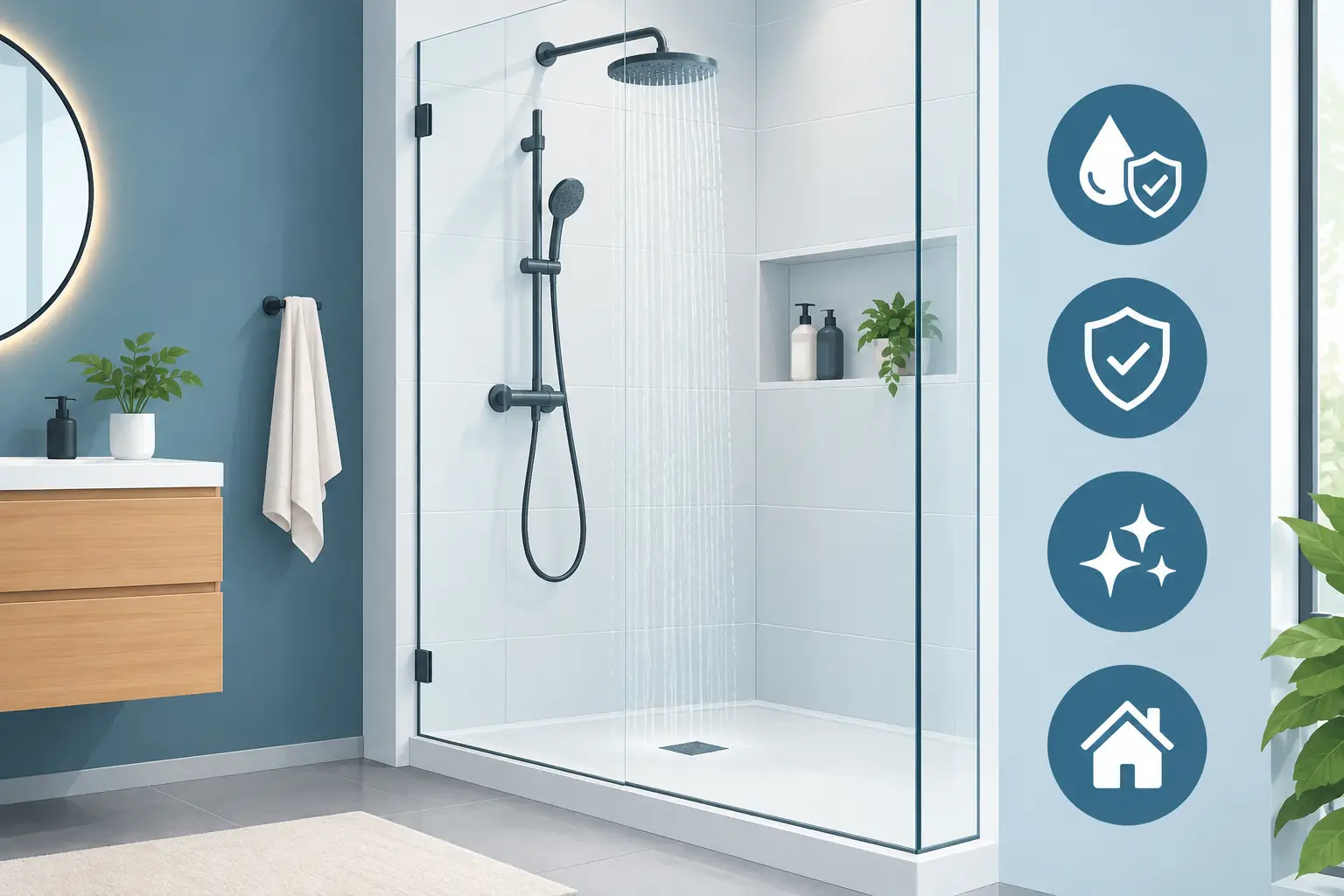
If your bathroom still has a traditional tub-shower combo, that tall step over the tub edge is often the first thing to reconsider. Tub-to-shower conversions are one of the most effective ways to reduce fall risk because they remove that high barrier and create a more open, accessible entry. A low-threshold or walk-in shower can make daily bathing easier right away, and it often makes the whole bathroom feel larger and more modern.
Flooring matters just as much. Smooth tile may look polished, but when water collects on the surface, traction drops fast. Slip-resistant flooring or a textured shower base gives you more grip where it counts. This is one upgrade where looks and performance should work together. A beautiful bathroom is not much of an upgrade if it leaves you feeling unsteady.
Add support where people naturally reach
One of the smartest ways to make a bathroom safer is to place support exactly where the body needs it. That usually means near the shower entry, inside the shower, and beside the toilet.
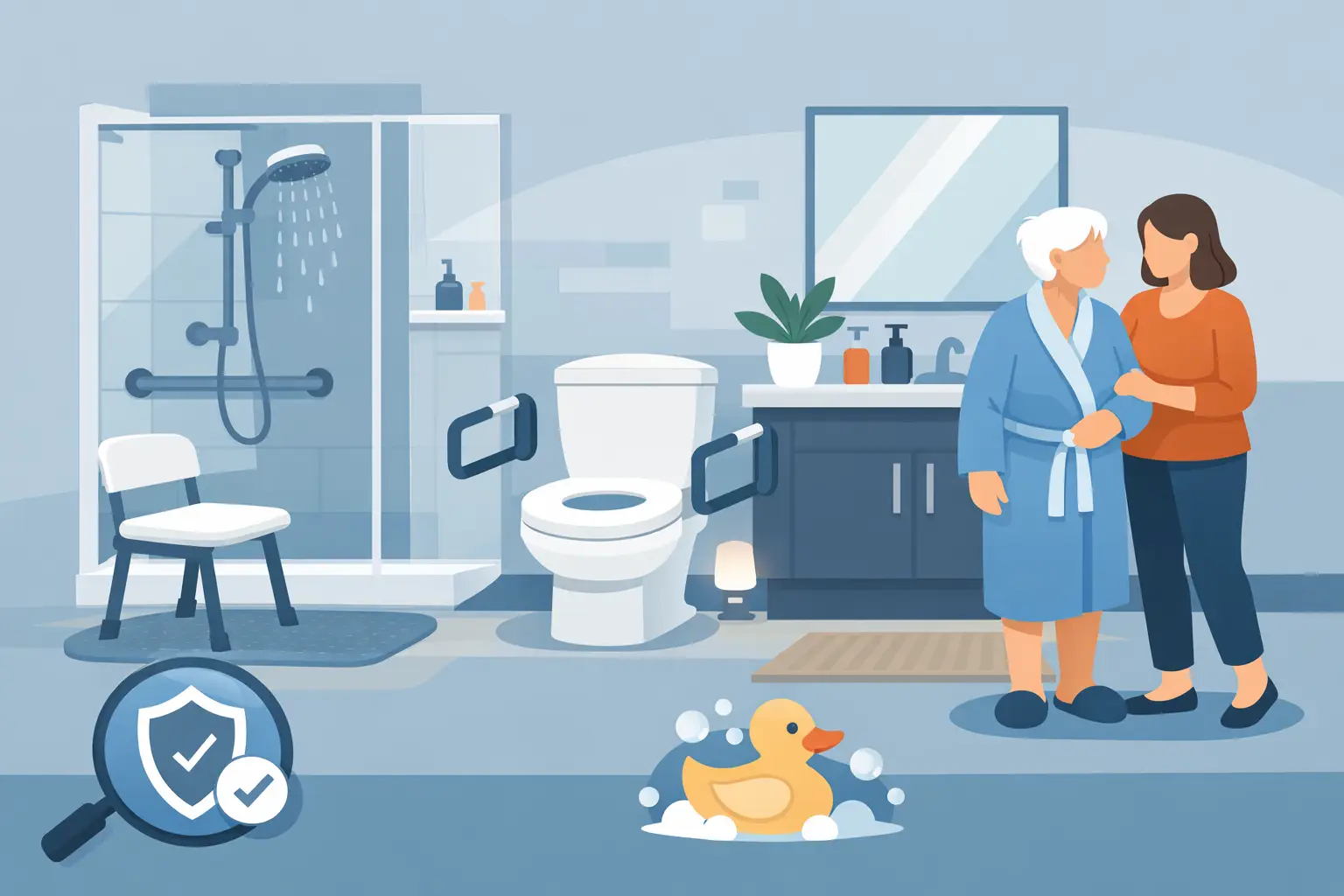
Properly installed grab bars provide real stability during the moments when balance is most vulnerable – stepping in, stepping out, sitting down, and standing up. This is important: a grab bar should be anchored to support weight. Towel bars and decorative accessories are not substitutes.
Placement makes a big difference. Some homeowners only think about one bar in the shower, but often a better setup includes multiple support points. A vertical bar near the entrance can help with stepping in, while a horizontal bar inside the shower offers balance during bathing. Near the toilet, a well-positioned bar can reduce strain on knees and hips.
If appearance is a concern, modern bars are available in finishes that blend with faucets, shower trim, and other fixtures. Done right, they look intentional and polished.
Improve lighting in all the right places
Poor lighting turns small hazards into bigger ones. A shadow near the tub edge, glare on the floor, or dim lighting during early morning routines can all increase risk.
Better bathroom lighting starts with even overall illumination, but it should not stop there. Shower areas, the space around the toilet, and the path into the bathroom all need clear visibility. Nighttime is another overlooked issue. For many households, especially those with older adults, a dark trip to the bathroom creates unnecessary danger.
Layered lighting solves this well. Bright overhead light helps with general visibility, while vanity lighting reduces shadows. Night lights or low-level motion lighting can add guidance without being harsh. It is a simple improvement, but one that can change how safe the space feels every day.
Rethink the shower itself
If the shower is cramped, difficult to clean, or hard to enter, safety and comfort both suffer. A safer shower should feel easy to use from start to finish.
Built-in seating is one of the most practical additions for homeowners who want extra stability. A shower seat offers a place to rest, shave, or bathe with less strain. Handheld shower wands also help because they give you more control and flexibility, especially when seated.
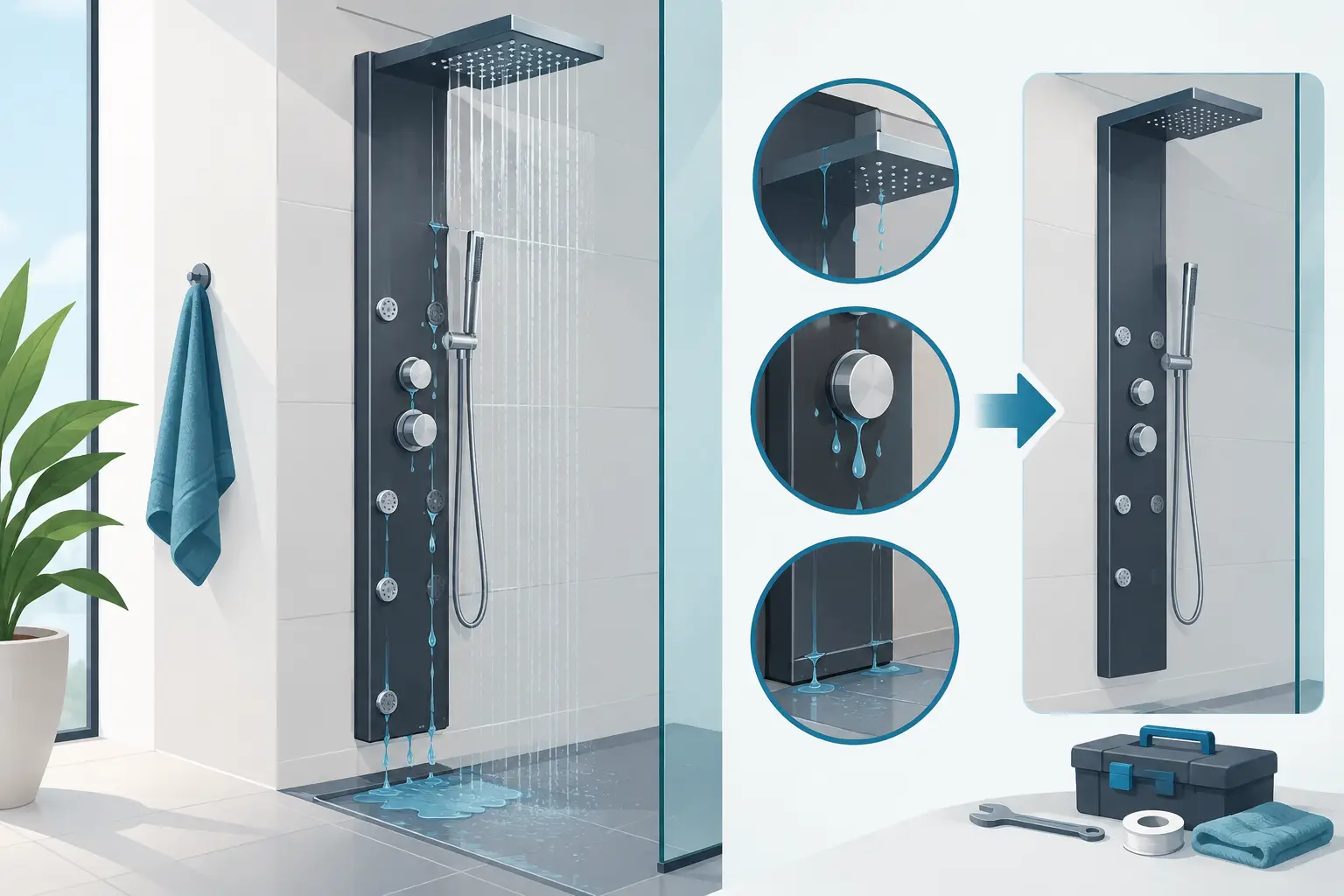
Water containment matters too. If your current shower splashes onto the main bathroom floor, that runoff creates another slipping hazard. A well-designed shower with quality walls, a properly sloped base, and a secure enclosure can help keep water where it belongs.
For some homeowners, a walk-in bathtub is the better fit. This can be especially useful for those who prefer soaking but need a safer way to get in and out. It depends on mobility needs, bathing habits, and available space. The right choice is the one that supports comfort without creating new obstacles.
Make the layout easier to move through
Sometimes the safety problem is not one fixture. It is the way the whole room works. Tight clearances, swinging doors, bulky vanities, and awkward fixture placement can make the bathroom harder to navigate than it needs to be.
A smarter layout can create more open floor space, cleaner pathways, and better access to the shower and toilet. That is especially valuable for homeowners using walkers, helping a spouse, or simply wanting more room to move without bumping into corners.
This is where a specialist can make a real difference. General updates may improve the look of the room, but a bath-focused remodel considers how each inch affects movement, comfort, and safety. In many cases, the safest bathroom is also the one that feels the least cramped.
Choose easier, lower-maintenance materials
Safety is not only about what happens in the moment. It is also about how easy the bathroom is to keep clean and functional over time.
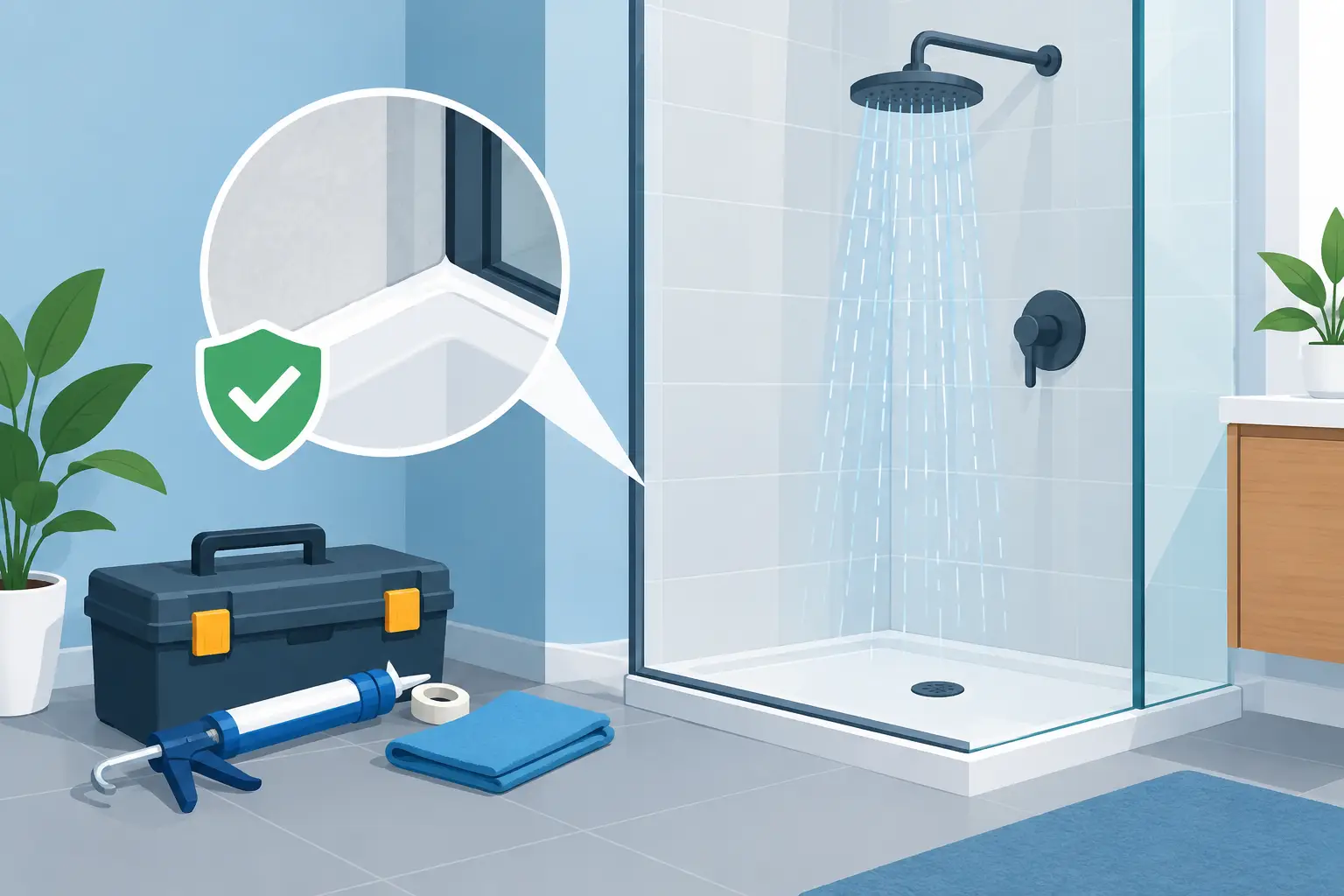
Old grout lines, worn caulking, and damaged surfaces can create maintenance issues that become safety issues later. Mold, mildew, and water damage can make surfaces slick or unstable. Low-maintenance, waterproof materials help prevent that cycle. They are easier to clean, less likely to trap grime, and better suited for a bathroom that sees daily use.
This is one reason many homeowners choose a full shower or bath upgrade instead of patching an outdated setup. A fresh installation with durable materials can reduce upkeep while also giving you more dependable performance.
Think ahead, even if you do not need everything today
Many homeowners wait to address bathroom safety until an injury, diagnosis, or close call forces the issue. That approach often leads to rushed decisions. Planning ahead gives you more control over design, budget, and timing.
Even if you do not need a fully accessible bathroom right now, certain upgrades make sense early. A low-threshold shower, slip-resistant surfaces, better lighting, and reinforced support areas are useful for almost everyone. They can serve a busy household today and provide long-term confidence for the years ahead.
There is also a financial angle. Combining safety improvements with a larger bathroom update can be more efficient than making separate changes later. If you are already considering a remodel, this is the right time to build in the features that protect comfort and independence.
When professional remodeling makes more sense than quick fixes
Bath mats, suction handles, and temporary add-ons can help in some situations, but they have limits. Suction products can fail. Loose mats can shift. Quick fixes may reduce risk a little without solving the actual design problem.
A professionally planned remodel gives you a safer foundation. That means stable surfaces, secure support, waterproof construction, and a layout designed around how the space is really used. For homeowners in Woodstock and the greater Atlanta area, working with a bath specialist such as Elite Bath Solutions can make the process faster, cleaner, and far more tailored to daily needs.
The best bathroom safety upgrade is the one that fits your life now and still makes sense later. If the room feels harder to use than it should, that is usually your sign that change is worth making. A safer bathroom should not feel like a compromise. It should feel easier, better looking, and more comfortable every single day.