A small puddle outside the shower can turn into a much bigger concern quickly. When shower panels leak, the visible water is often only part of the problem. Moisture may be working behind the wall surround, around the shower base, or into the floor beneath your feet. For homeowners in Woodstock and across North Metro Atlanta, addressing the source early can protect the bathroom you love and prevent a simple repair from becoming a larger renovation.
Not every leak means your entire shower has failed. Sometimes the fix is a worn bead of caulk or a loose fixture connection. Other times, recurring leaks point to an installation issue that needs a complete, professionally waterproofed solution. The difference matters because surface repairs only work when the system behind them is still sound.
Why Shower Panels Leak in the First Place
Shower wall panels are designed to create a low-maintenance, attractive barrier against water. Unlike traditional tile, they have fewer grout lines to scrub and fewer places for moisture to collect. But panels still depend on carefully sealed seams, secure attachment, a properly fitted shower base, and correct drainage.
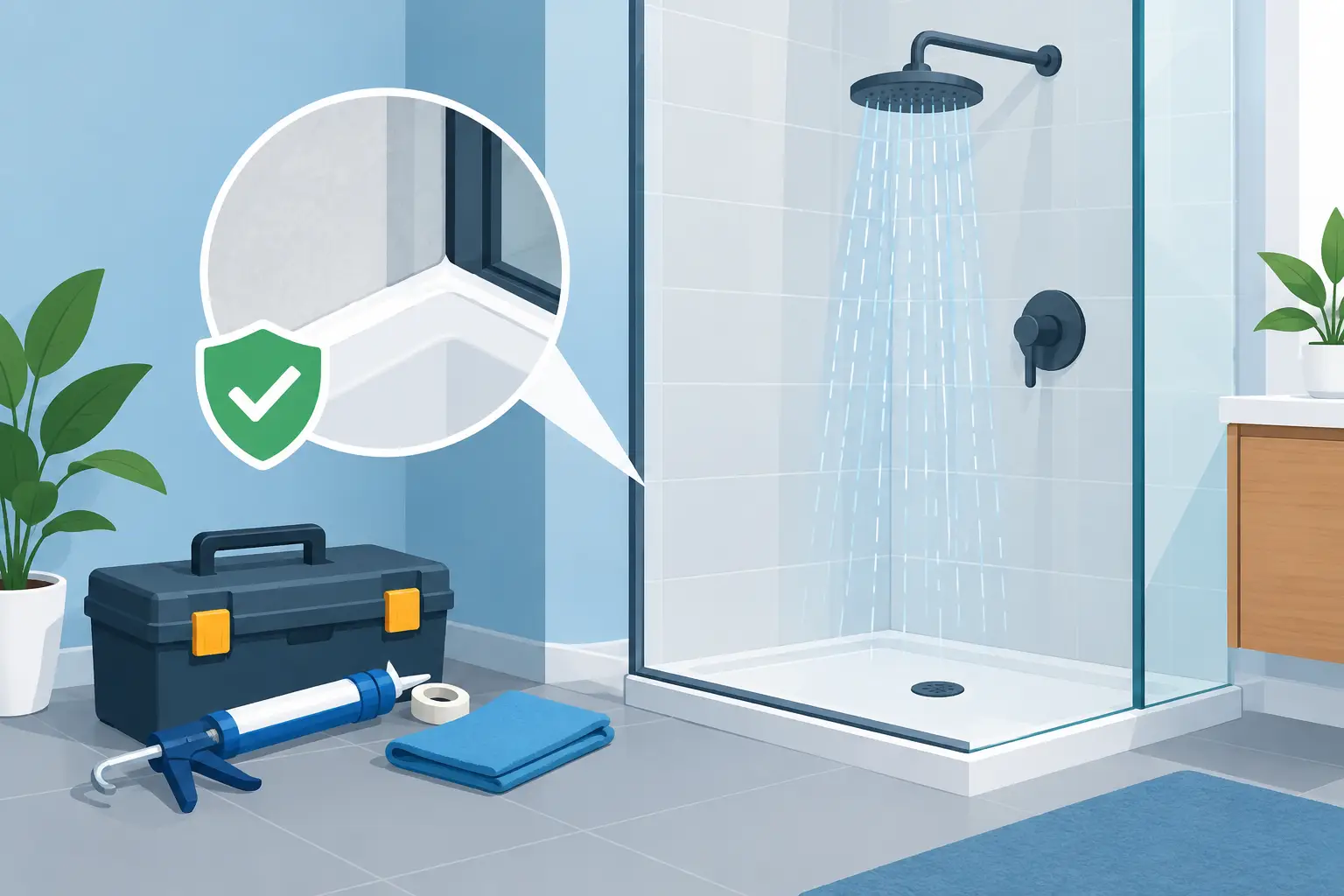
The most common cause is failed caulk or sealant. Sealant around corners, vertical seams, fixtures, and the joint where the wall meets the shower pan can dry out, crack, shrink, or separate over time. Once a gap opens, water follows gravity behind the panel. A shower may look clean and intact from a few feet away while water is slipping through a narrow opening each time it is used.
Poor installation is another frequent culprit. Panels must be fitted squarely, firmly adhered, and sealed with materials made for wet environments. If the wall was not prepared correctly, if seams were rushed, or if the shower base was not level, water management can fail from day one. This is why a shower remodel is not just about choosing a beautiful wall finish. The waterproofing details behind the finished surface are what determine whether that beauty lasts.
A leaking shower door can also make it seem as if the wall panels are at fault. Worn bottom sweeps, damaged door seals, misaligned sliding doors, and poorly directed showerheads can allow water to escape onto the floor. Before assuming water is coming through a panel seam, look at where the water first appears and when it happens.
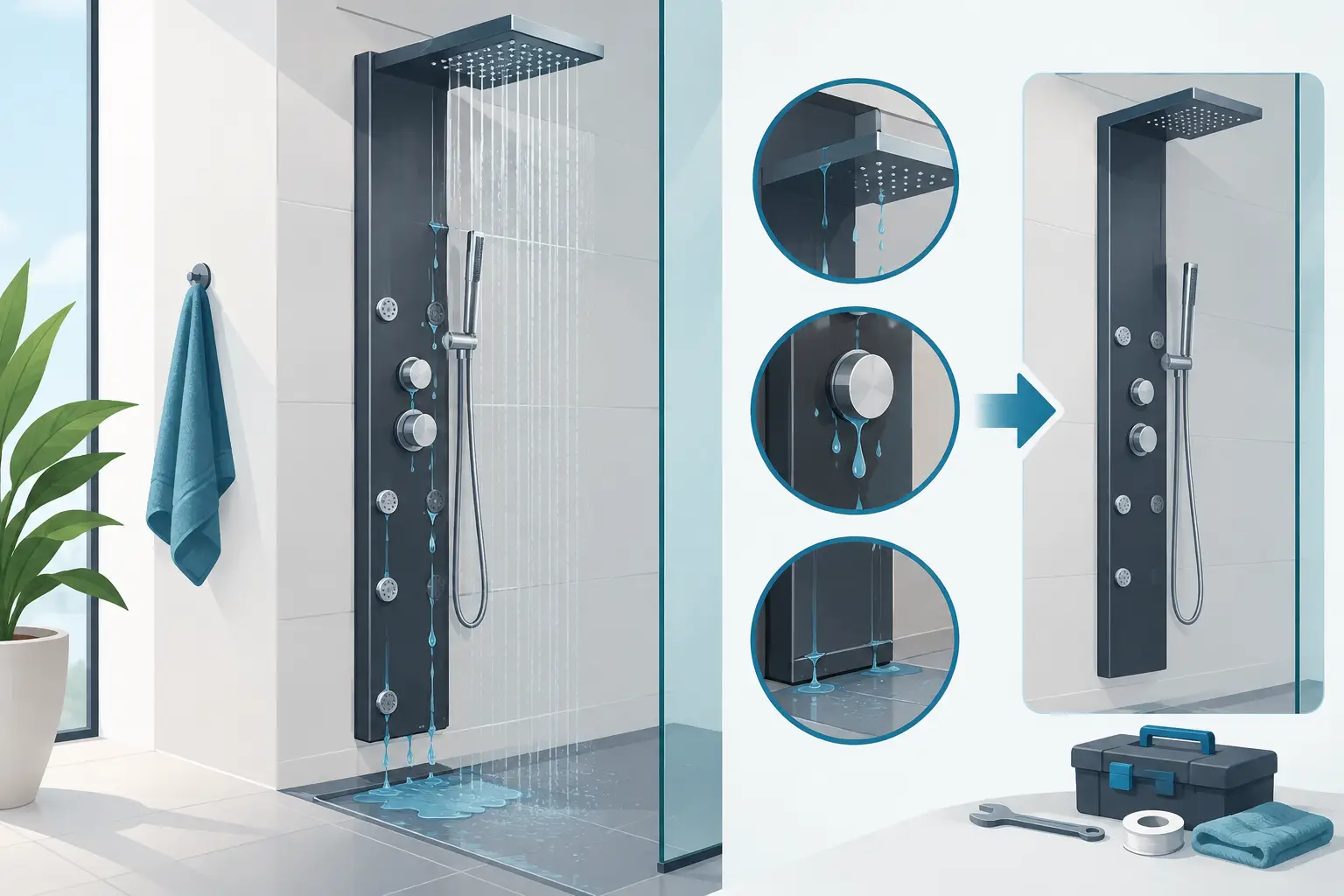
Finally, the leak may come from plumbing rather than the panels themselves. A dripping shower valve, loose pipe fitting, or damaged supply line can wet the wall cavity without leaving obvious clues inside the shower. If staining, bubbling paint, or moisture appears on the opposite side of the shower wall, plumbing should be part of the investigation.
Signs a Shower Panel Leak Is More Than a Caulk Issue
A small area of discolored caulk does not always call for a new shower. However, repeated moisture problems deserve prompt attention. Watch for soft flooring near the shower, peeling paint on an adjoining wall, loose panels, musty odors, swollen baseboards, or stains on the ceiling below an upstairs bathroom. These warning signs suggest that water has moved beyond the shower surface.
Mold or mildew that returns quickly after cleaning is another concern. Bathrooms naturally experience humidity, but persistent growth near seams or corners can indicate trapped moisture. It is especially worth investigating if the shower has been resealed more than once and the same area keeps failing.
Pay attention to timing as well. If the bathroom floor becomes wet only while someone is showering, the issue may involve panel seams, door seals, the shower pan, or splash patterns. If moisture appears even when the shower has not been used, a plumbing leak is more likely. This simple observation gives a bathroom specialist useful information before any work begins.
What You Can Check Before Calling a Professional
Homeowners can perform a few safe visual checks without taking apart the shower. Start by drying the shower completely. Look closely at every panel seam, the corners, the lower edge of the walls, and around the shower valve and showerhead. Cracked, missing, or discolored sealant is easy to spot once the area is dry.
Then inspect the shower door or curtain setup. Make sure a glass door closes evenly and that its bottom sweep is not torn, curled, or detached. If you use a shower curtain, confirm it hangs inside the tub or shower base when in use. Water splashing over the edge is a simple problem, but it can still damage flooring if it happens often.
You can also check whether water drains quickly. Standing water around the base or a slow drain does not automatically mean the panels are leaking, but it adds stress to seams and edges. Avoid applying new caulk over old, loose material. A repair only holds when failing sealant has been fully removed, the area has dried, and the correct bathroom-grade product is applied cleanly.
Do not remove panels, cut into drywall, or keep testing a suspected leak with repeated showers. If water may be behind the surround, continued use can compound the damage. A professional assessment is the safer next step.
When Resealing Is Enough and When Replacement Makes Sense
Resealing can be a practical solution when the shower is otherwise in excellent condition. If there is a single, visible gap in recently installed panels, no signs of wall or floor damage, and no evidence of a plumbing issue, a qualified repair may restore the water barrier. It is a focused fix that can extend the life of the shower.
Replacement becomes the wiser investment when leaks are recurring, panels have separated or warped, the shower base has shifted, or hidden moisture damage is suspected. Older showers with aging tile, failing grout, or a worn tub surround can require repeated maintenance that never truly solves the underlying issue. In that situation, putting money into another patch may delay a better long-term answer.
A modern shower system offers the chance to correct several problems at once. A new shower base can be properly leveled and supported. Wall panels can be custom fit with sealed joints. Fixtures can be updated, and accessibility features such as a low-threshold entry, built-in seating, or secure grab bars can be included where they make sense. The result is not merely a shower that stops leaking. It is a cleaner, more comfortable space built for daily use.
A Waterproof Shower Starts Behind the Beautiful Surface
The best-looking shower panels cannot compensate for poor preparation. A dependable installation begins with a stable substrate and a shower base that directs water toward the drain. The installer should address existing water damage before covering it, rather than sealing new materials over a compromised wall.
Proper measurements are equally important. Homes settle, walls are not always perfectly square, and existing bathrooms often contain surprises behind the old surround. Skilled bath specialists account for these realities so panels fit correctly and transitions at corners, fixtures, and the base remain protected.
Material selection matters, too. Premium, nonporous wall systems are designed to resist staining, mildew, and everyday wear with far less maintenance than grout-heavy surfaces. Still, even the best materials need precise installation. Homeowners should look for a remodeling team that specializes in baths, explains its waterproofing approach clearly, and stands behind both the products and the workmanship.
Elite Bath Solutions focuses exclusively on bath and shower transformations, helping local homeowners replace tired, leak-prone spaces with premium shower systems designed for lasting performance. A full lifetime warranty covering products, labor, and materials provides meaningful peace of mind when your bathroom upgrade is meant to last for years, not just look good on installation day.
Protect Your Home Before the Leak Spreads
Water has a way of finding the smallest opening, especially in a shower used every day. If you have noticed recurring puddles, failing seams, odors, or changes in the walls and flooring around your shower, trust what your bathroom is telling you. Prompt attention can preserve your home, your comfort, and your plans for the space.
A professional bathroom consultation can clarify whether a careful repair is enough or whether a new waterproof shower will give you the lasting confidence you want. The right solution should leave you with more than dry floors – it should give you a beautiful, easy-to-clean shower that feels like a welcome upgrade every morning.