That high tub wall can change the way you use your bathroom every day. Maybe it makes bathing a less comfortable routine, collects grime around worn caulk lines, or simply makes an otherwise nice bathroom look dated. When homeowners weigh tub conversion versus replacement, the best choice is rarely about one product being universally better. It is about how your household uses the space, what the existing layout allows, and what you want the room to feel like once the work is complete.
A beautifully planned bath remodel should make mornings easier, cleaning less demanding, and your home more enjoyable. Here is how to decide whether converting your tub or replacing it will bring you closer to that result.
What a Tub Conversion Changes
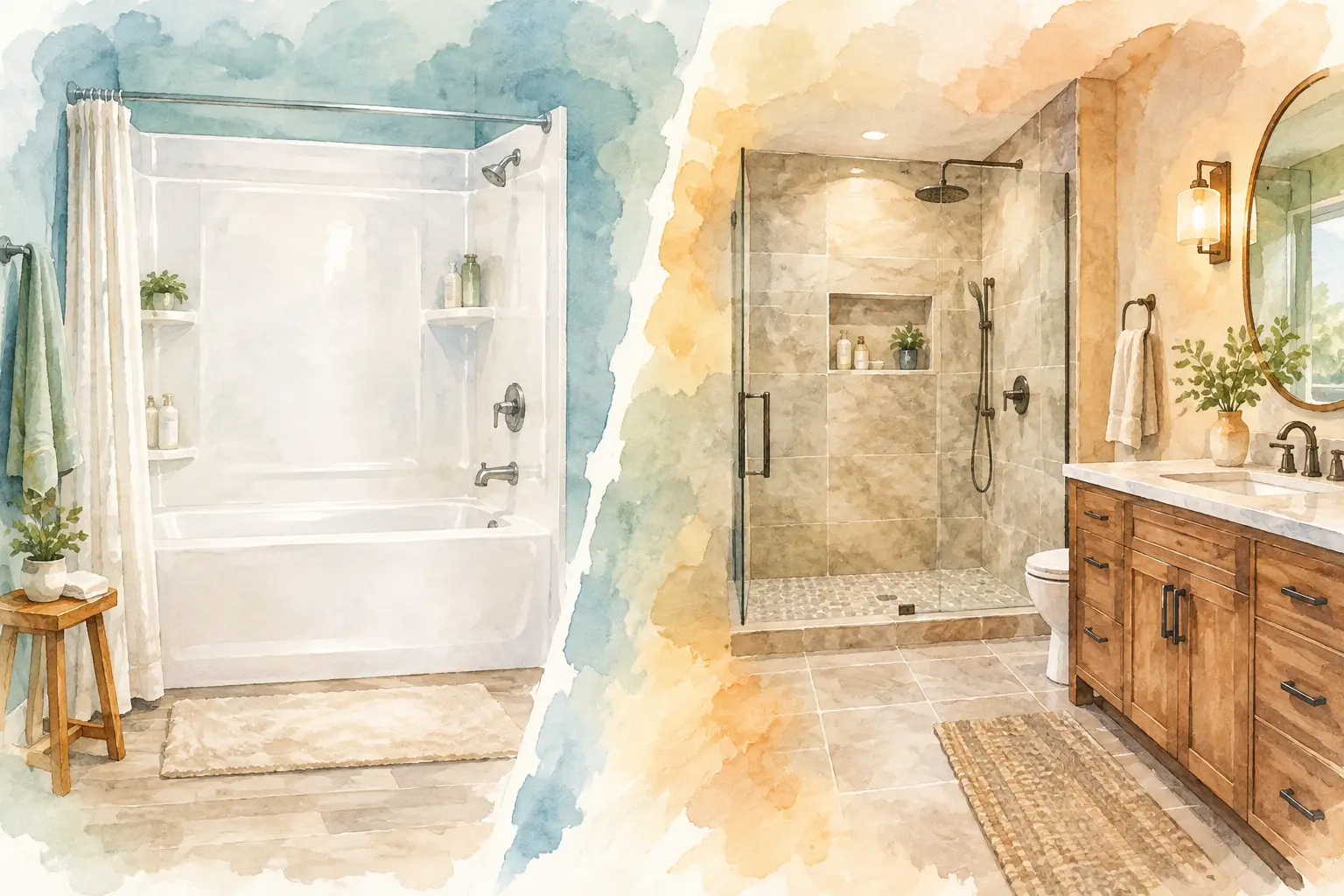
A tub conversion typically means removing the existing bathtub and replacing it with a shower, most often a walk-in shower with a low threshold. The plumbing usually stays in the same general wall area, but the bathing experience changes completely. Instead of stepping over the side of a tub, you enter a shower designed around easier access, open sightlines, and a more customized look.
This option is especially appealing when the bathtub has become a storage spot for shower products rather than a place anyone actually takes baths. For many homeowners, that is the clearest sign that a tub-to-shower conversion makes sense. Why keep a feature that consumes valuable floor space if it no longer supports your daily routine?
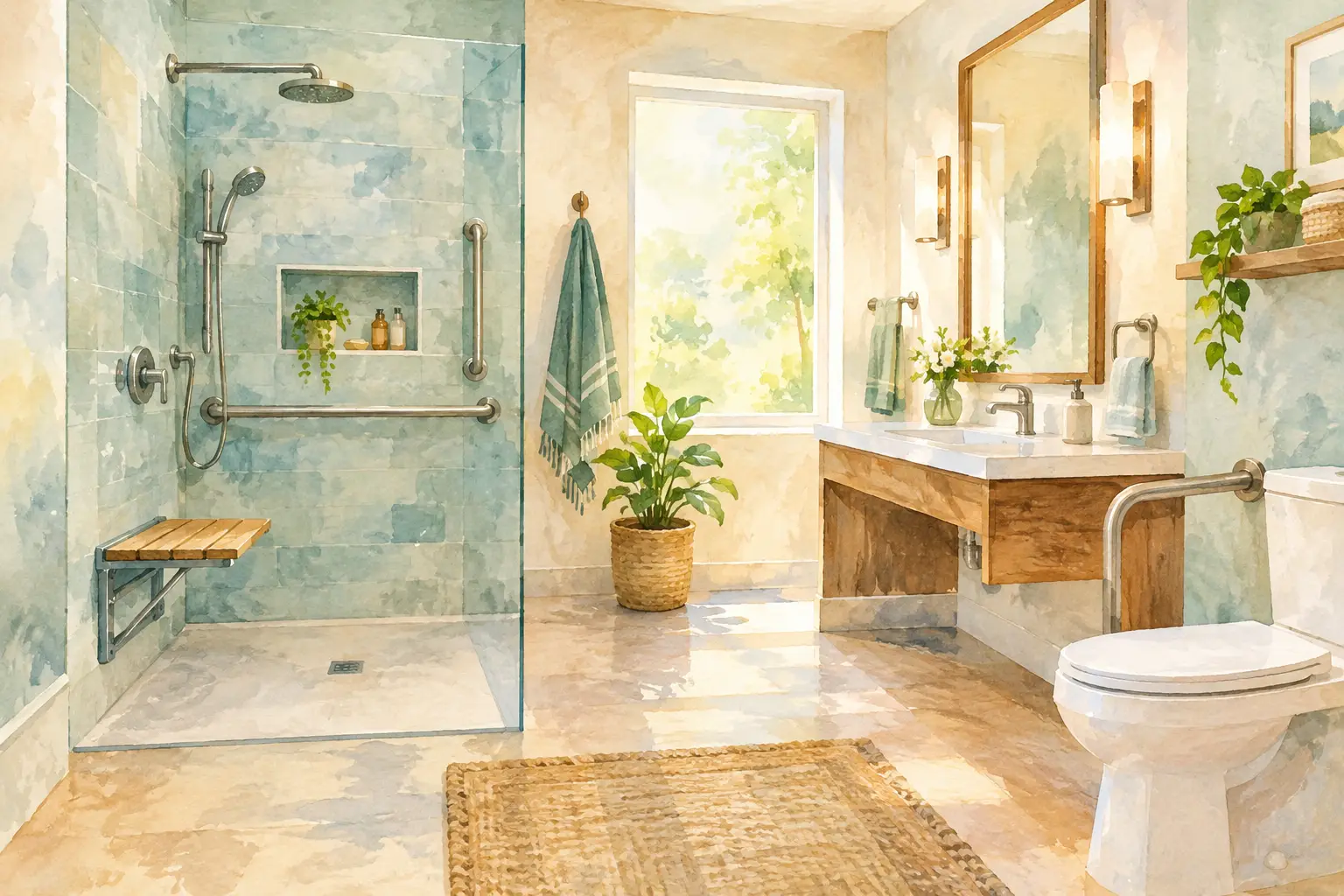
A conversion can also create a more polished, spa-inspired setting. Wall surrounds, built-in shelving, seating, safety bars, glass doors, and modern fixtures allow the shower to feel intentional rather than like a basic replacement. Premium nonporous wall materials can reduce the grout-heavy cleaning that comes with traditional tile, while a properly installed waterproof system protects the structure behind the finished walls.
When a tub-to-shower conversion is the stronger choice
A conversion often fits homeowners who prioritize accessibility, convenience, and a cleaner visual design. It can be a practical upgrade for aging residents who want to reduce the need to step over a high tub wall. It can also make sense for busy professionals and families who want a shower that is quicker to enter, easier to rinse down, and built around their preferred storage and seating needs.
The biggest trade-off is simple: you lose a bathtub in that bathroom. If it is the only full bath in the home, that decision deserves more consideration. Families with young children, frequent overnight guests, or future resale plans that may appeal to households with small children may prefer to keep at least one tub elsewhere in the house.
When Bathtub Replacement Makes More Sense
Bathtub replacement keeps the room’s fundamental purpose intact. The old tub is removed and a new one is installed, typically with updated wall surrounds, fixtures, and finishing details. This can be an excellent answer when you still enjoy baths, need a bathing option for children, or want the familiar flexibility of a tub-and-shower combination.
Replacement is not merely putting a new tub where the old one was. Done well, it is an opportunity to correct the issues that made the old space frustrating: stained or cracked surfaces, difficult-to-clean walls, dated colors, poor storage, and visible wear around the tub area. The finished bath can feel fresh, bright, and far more inviting without changing the established layout.
For a hall bathroom used by children or a guest bath where versatility matters, replacing the tub can be the most sensible investment. It delivers an updated appearance and dependable performance while preserving a feature many households expect.
Consider a walk-in tub when bathing comfort is the priority
There is also a middle ground for homeowners who still prefer soaking but need safer entry. A walk-in bathtub combines the comfort of a bath with a low-entry door, supportive seating, and options designed for more secure bathing. It is not the same as a standard tub replacement, and it is not the same as an open shower conversion. It is a purpose-built choice for those who want to maintain a bathing routine with greater peace of mind.
Tub Conversion Versus Replacement: Compare What Matters
The right decision becomes clearer when you look beyond the initial appearance of the finished bathroom.
Daily use and household needs
Start with how the bathroom functions right now. If every person using it showers, a walk-in shower may provide more value day after day. If the room serves small children or someone who enjoys soaking in the tub, replacement may better support the household.
Also consider which bathroom you are remodeling. Converting the only bathtub in your home is different from converting the unused tub in a primary suite while another full bath still has a tub. A thoughtful plan considers the whole home, not just the one room.
Access and safety
A low-threshold shower can be a meaningful improvement for homeowners planning to age in place, recovering from mobility challenges, or simply tired of stepping over a tub wall on a slippery floor. Additions such as grab bars, built-in seating, handheld showerheads, and slip-resistant bases can make the space more comfortable without making it look clinical.
A standard tub replacement does not offer the same easy entry, but it can still be a sound choice when accessibility is not the main concern. The important point is to select a bathing solution for the way you want to live in the home over the next several years, not only for the way you use it this month.
Installation scope and disruption
A straightforward conversion or replacement can often be completed faster than a full bathroom renovation because the existing footprint and plumbing locations may remain in place. Some professionally planned bath updates can even be completed in one day, depending on the condition of the space and the scope of the project.
However, hidden damage, layout changes, custom glass, extensive tile work, or changes to surrounding walls can extend the timeline. An experienced bath specialist should inspect the existing area before setting expectations. Speed matters, but a durable waterproof installation matters more.
Cleaning and long-term maintenance
Many homeowners make the decision after realizing how much time the old bath area demands. Grout joints, cracked caulk, and textured surfaces can hold onto soap residue and moisture. Modern wall systems with smooth, low-maintenance surfaces can make either a new shower or replacement tub easier to clean.
If minimizing cleaning is high on your list, ask about materials, seams, shelving, and how the wall system is waterproofed. The visible finish should look beautiful, but the system behind it is what helps preserve that beauty.
Budget and value
Both options can be tailored to a range of budgets. In general, costs depend on the material selections, size of the bathing area, accessibility features, fixture choices, and whether the project uncovers conditions that need to be addressed before installation. A conversion may include additional shower-specific components, while a replacement may be more direct when the layout stays unchanged.
The better value is the one that improves your everyday life and is installed to last. A bathroom update should not leave you worried about peeling finishes, water intrusion, or an unsupported warranty. Look for clear scope, quality materials, skilled installation, and warranty coverage that gives you confidence after the crew leaves.
Questions to Ask Before You Commit
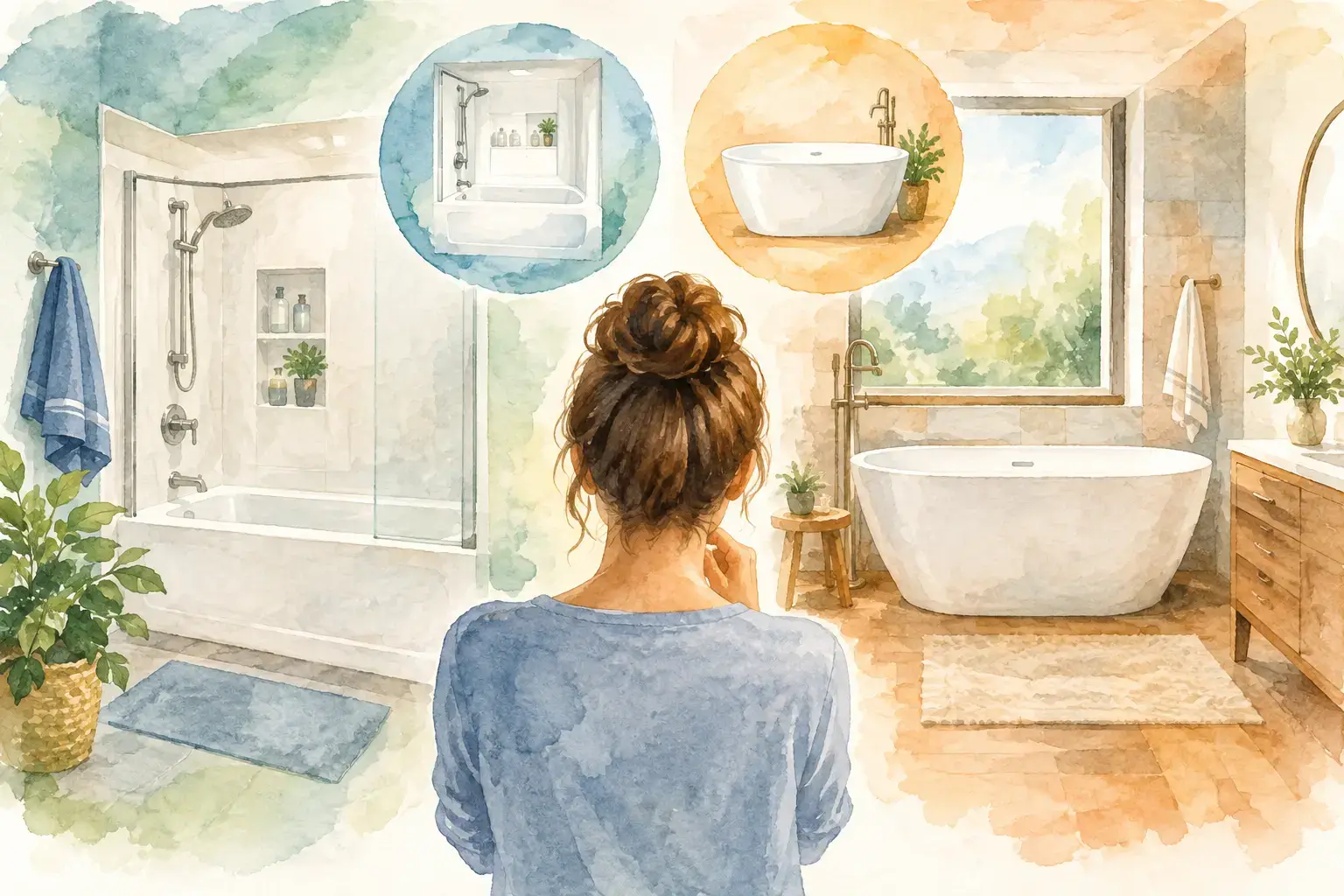
Before choosing between a conversion and replacement, picture the bathroom at its busiest. Who uses it? Does anyone take baths now? Is stepping into the tub becoming less comfortable? Would a larger shower make the morning routine easier? Is there another bathtub in the home?
Then consider the outcome you want. A conversion is often about creating a more open, accessible, shower-first retreat. A replacement is often about restoring flexibility while giving a worn bath area a major visual upgrade. Neither choice is second best when it aligns with the way your home works.
For homeowners in Woodstock and across North Metro Atlanta, a professional consultation can replace uncertainty with a plan. Elite Bath Solutions can help you evaluate the existing space, compare design possibilities, and choose a premium bath solution built for comfort, durability, and the kind of daily luxury that makes coming home feel even better.