A bathroom should never make someone pause before stepping in, reaching for a towel, or getting out of the shower. Thoughtful bathroom accessibility upgrades replace those daily worries with confidence, comfort, and a space that still feels beautifully personal. For many homeowners, the best solution is not a clinical-looking remodel. It is a well-designed bath or shower that makes everyday routines easier without sacrificing the look of a modern retreat.
Why Accessibility Belongs in a Beautiful Bathroom
Accessibility is often associated with aging in place, but its value reaches much further. A low-entry shower can make bathing easier for a parent recovering from surgery, a child who needs steadier footing, or a busy homeowner who simply wants a safer, cleaner shower experience. These features support independence while reducing the small risks that can turn an ordinary morning into an accident.
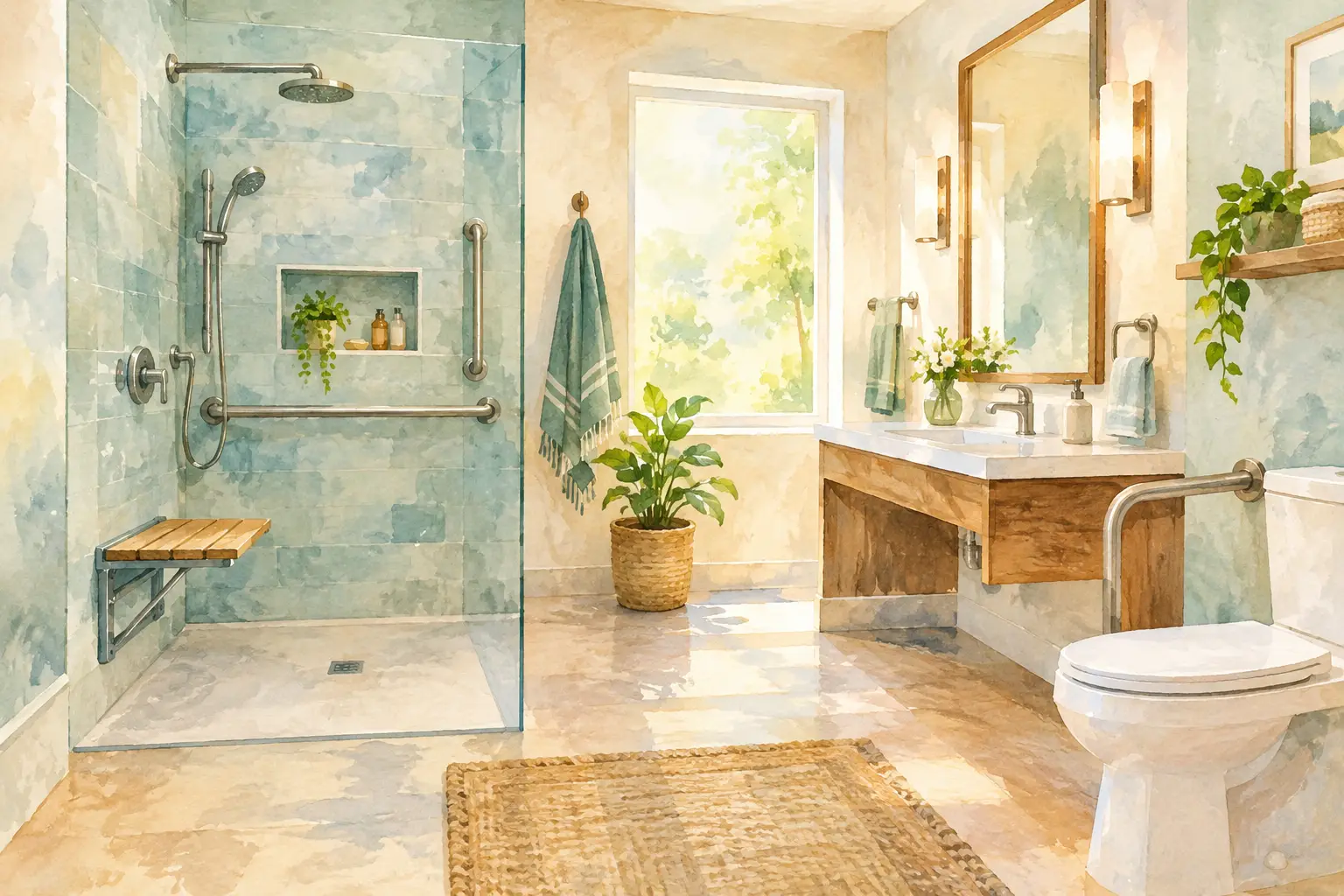
The strongest designs do not announce themselves as accessibility features. They feel intentional. A spacious shower, a comfortable built-in seat, elegant grab bars, and a handheld showerhead can complement contemporary wall surrounds and polished fixtures. The result is a bathroom designed for real life now and for changing needs later.
For homeowners in Woodstock and across North Metro Atlanta, this approach can also make sense as a long-term home investment. Updating an outdated tub or cramped shower creates a more usable room today while helping the home appeal to buyers who value convenience, safety, and low-maintenance finishes.
The Bathroom Accessibility Upgrades That Matter Most
The right choices depend on the bathroom layout, who uses the space, and how long you plan to remain in the home. A specialist can help homeowners prioritize features that deliver a meaningful improvement instead of adding upgrades that look good on paper but do little for daily comfort.
Low-Threshold and Walk-In Showers
Stepping over a high tub wall is one of the most common bathroom hazards. A low-threshold shower reduces that step dramatically, making entry and exit easier while giving the room a clean, open appearance. For households looking for the most accessible option, a barrier-free or near-barrier-free shower may be possible depending on the existing floor structure and drainage design.
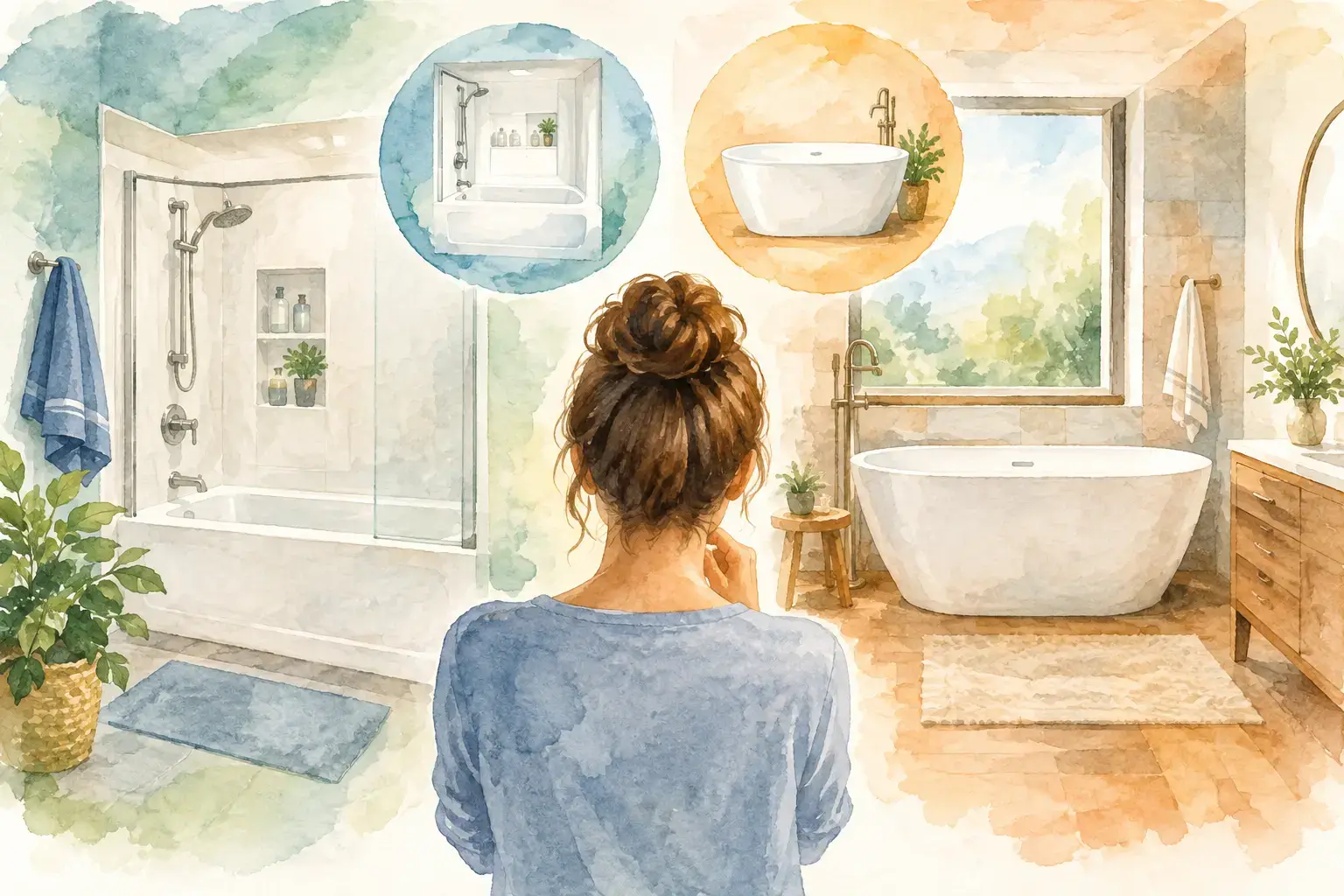
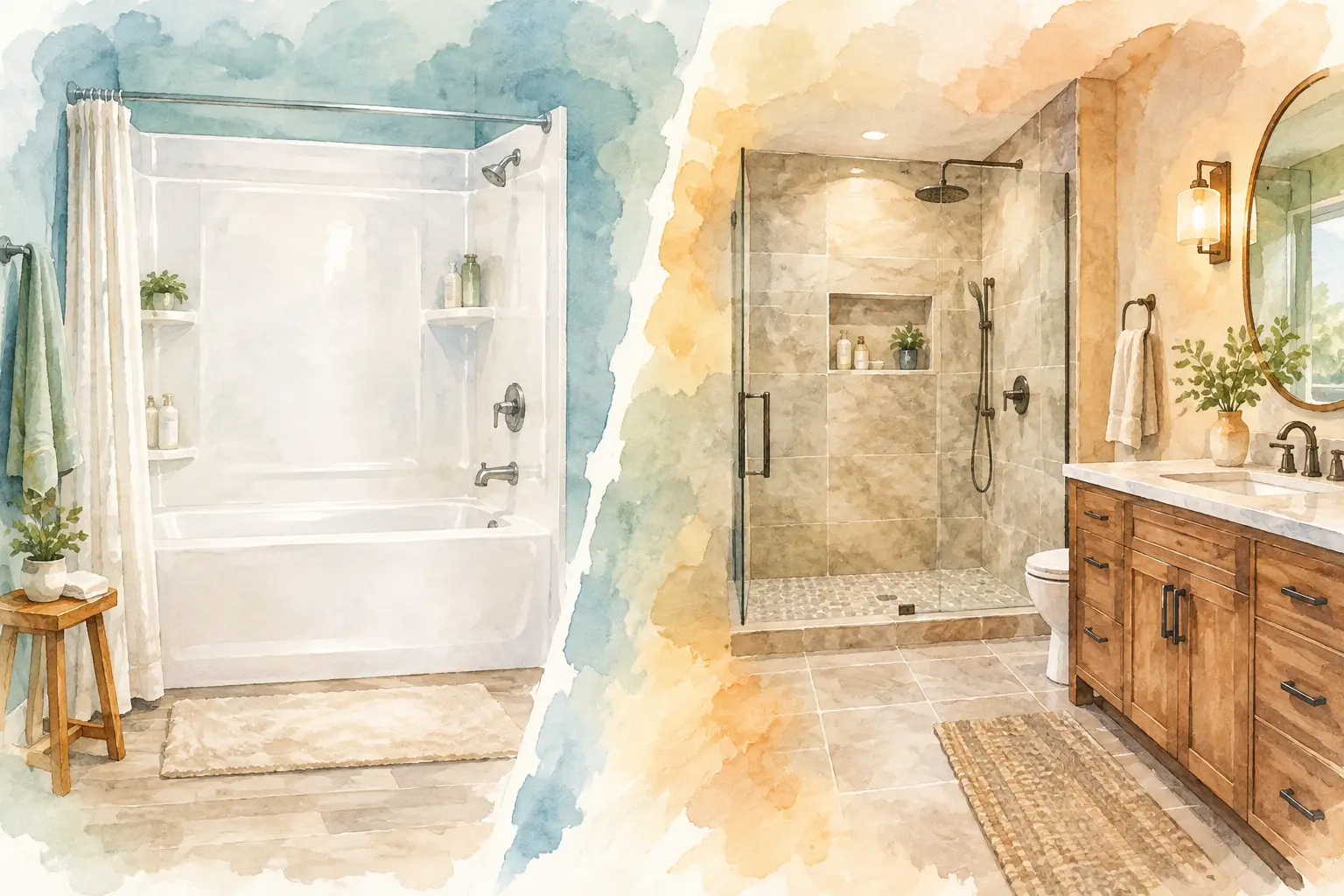
A tub-to-shower conversion is often the practical choice when a traditional bathtub is rarely used. It can create more standing room, simplify cleaning, and make the shower easier to access. The trade-off is straightforward: families with young children or homeowners who enjoy soaking baths may prefer to keep at least one tub elsewhere in the home.
Walk-in bathtubs are another strong option for those who want the comfort of bathing with easier access. Their watertight doors and built-in seating can provide a secure, relaxing experience. However, users need to enter before filling the tub and remain inside while it drains, so this solution is best for homeowners who prefer bathing over showering and are comfortable with that routine.
Built-In Seating That Adds Comfort
A shower seat is useful well beyond mobility concerns. It provides a place to sit while shaving, washing, resting, or assisting a family member. Built-in benches are especially popular because they look integrated into the shower design rather than added as an afterthought.
Size matters here. A larger bench is more comfortable, but it uses shower floor space. In a compact bath, a smaller corner seat may be the better balance. The goal is to create support without making the shower feel crowded.
Properly Placed Grab Bars
Grab bars have changed significantly from the institutional fixtures many people remember. Today, they are available in finishes that coordinate with faucets, showerheads, and hardware. When installed in the right locations, they provide dependable support at entry points, near seating, and along the wall where a homeowner may need stability.
Placement should always be based on how the shower will actually be used. A bar near the entrance serves a different purpose than one beside a bench. More is not automatically better. Carefully planned support points keep the space functional and visually refined.
Handheld Showerheads and Easy-Reach Controls
A handheld showerhead makes bathing more flexible for people who are seated, standing, or helping someone else. Paired with an adjustable slide bar, it allows the spray height to be customized without awkward stretching. This simple feature also makes rinsing the shower walls easier.
Controls should be positioned where they can be reached before stepping into the spray. Lever-style handles are generally easier to operate than small twisting knobs, particularly for people with reduced hand strength. Anti-scald controls can add another layer of peace of mind by helping maintain a more consistent water temperature.
Slip-Resistant Surfaces and Better Lighting
Safety begins underfoot. Textured, slip-resistant shower flooring can provide traction without making cleaning difficult. Premium, nonporous wall systems also help limit grout lines, which means fewer places for soap residue and mildew to build up. A bathroom that is easier to clean is easier to keep safe.
Lighting deserves equal attention. Shadows around a shower entry or vanity can make footing less certain. Bright, well-placed lighting helps people see clearly, while vanity lighting supports daily grooming tasks. For middle-of-the-night use, subtle night lighting can make the path to the bathroom more comfortable without flooding the room with harsh light.
Designing for Independence Without Overbuilding
The best accessibility plan is personal. A homeowner preparing to age in place may prioritize a low-entry shower, built-in seating, grab bars, and wider clearances. Someone remodeling after an injury may need a focused set of upgrades that supports recovery now but still looks right years later. A family updating a guest bath may choose universal design features that welcome visitors of every age.
This is where a consultation matters. The layout of the existing room, the condition of the surrounding surfaces, and the desired timeline all influence the right solution. In some bathrooms, a complete transformation creates the most functional result. In others, a targeted tub-to-shower conversion delivers the biggest improvement with less disruption.
Avoid choosing features solely because they are labeled accessible. Consider how you move through the space, where you naturally reach for support, whether you prefer bathing or showering, and which tasks feel inconvenient today. A beautiful bathroom works best when it responds to those real routines.
Materials That Make Daily Care Easier
An accessible bathroom should not require extra upkeep. Low-maintenance materials are especially valuable when cleaning a high-walled tub or scrubbing grout has become difficult. Smooth, durable shower wall surrounds resist moisture and are designed to wipe clean more easily than heavily grouted surfaces.
Waterproof installation is just as important as the visible finish. A shower may look exceptional on day one, but lasting performance depends on the system behind the walls and under the base. Choosing a bath specialist with proven installation standards and warranty-backed products, labor, and materials offers peace of mind that the upgrade is built to perform.
Style still has a place in every decision. Light-colored wall panels can help a smaller bathroom feel more open, while darker hardware can add contrast and definition. Shelving, recessed storage, and thoughtfully placed niches keep soaps and bottles within reach without cluttering the shower floor.
A Faster Path to a Safer Bathroom
Homeowners often delay accessibility remodeling because they expect a long, disruptive construction process. The scope of work always matters, but a specialized bath and shower remodel can often move much faster than a whole-home renovation. With the right planning, many projects can be completed in as little as one day, while more customized layouts may require additional time.
The key is a clear plan before installation begins. Measurements, material choices, safety features, and design details should be considered together rather than pieced together after the fact. Elite Bath Solutions helps homeowners make those choices with expert guidance, premium materials, and a focused bathroom remodeling process built around comfort, durability, and a polished final result.
A safer bathroom does not have to feel like a compromise. When the shower is easier to enter, the surfaces are easier to maintain, and every feature supports the way you live, comfort becomes part of the room’s design. The right upgrade gives you a bathroom that feels more welcoming every time you use it.