A new shower should feel like an upgrade from the first morning you use it – not a new cleaning chore or a source of worry about leaks. When weighing a shower base versus tile floor, the best choice comes down to how you live, how much customization you want, and how quickly you want your bathroom transformed.
For many Atlanta-area homeowners, a shower base delivers the practical luxury they want: a polished appearance, easy upkeep, reliable waterproofing, and a faster installation path. A tile floor can create a high-end custom look, but it asks more from the budget, timeline, and maintenance routine. Here is how to make the decision with confidence.
Shower Base Versus Tile Floor at a Glance
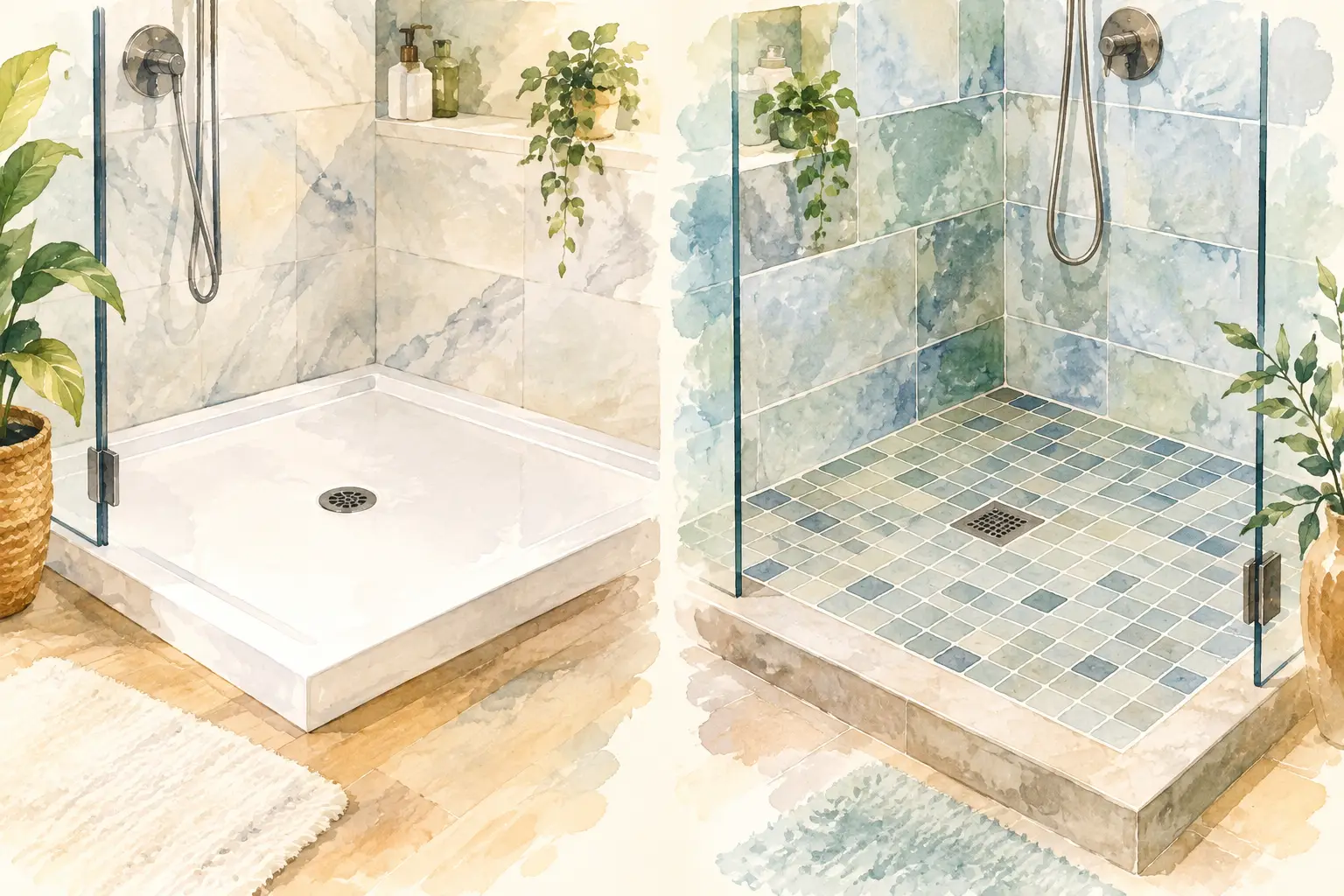
A shower base, also called a shower pan, is a pre-formed floor built to direct water toward the drain. Premium bases are often made from durable acrylic, fiberglass-reinforced materials, or engineered composite materials. They can be installed in a range of sizes and shapes, including low-threshold options that make entering and leaving the shower easier.
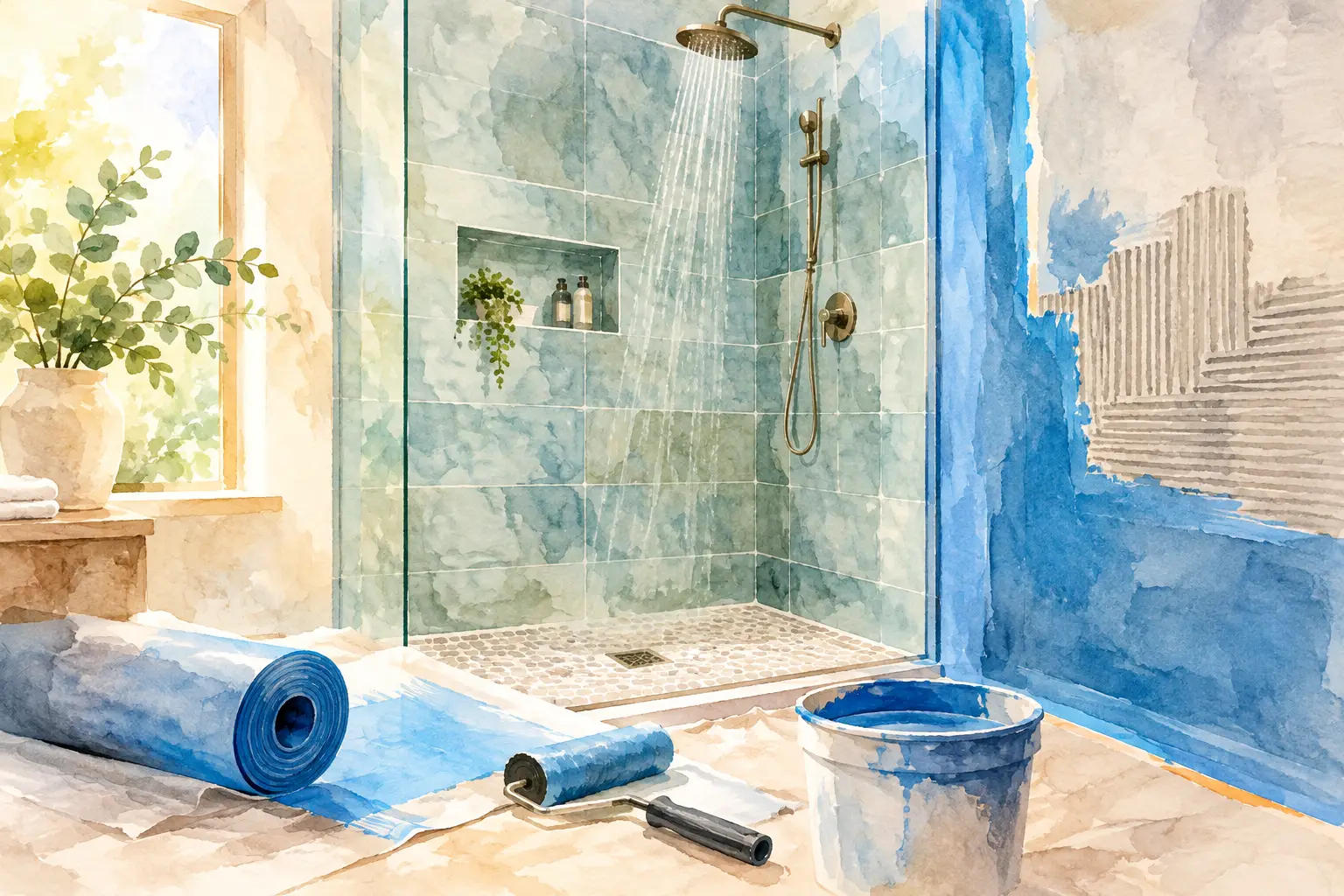
A tile shower floor is built on site. It typically includes a sloped setting bed, a waterproofing system, a drain assembly, thinset, tile, and grout. Because it is made piece by piece, tile can accommodate distinctive layouts, colors, patterns, and unusual shower dimensions.
Neither option is automatically better in every home. The right answer depends on whether your priority is low-maintenance performance, a fast conversion, a fully custom aesthetic, improved accessibility, or a combination of these goals.
Why Homeowners Choose a Shower Base
The biggest advantage of a shower base is confidence in everyday performance. It is one continuous surface with no grout lines across the floor, so there are fewer places for soap residue, mildew, and moisture to collect. For busy families and homeowners who would rather spend weekends enjoying their home than scrubbing it, that difference matters.
A quality shower base is also engineered with drainage in mind. Its slope is built into the product, helping water flow efficiently to the drain when it is professionally installed. That reduces the complexity of creating the proper pitch by hand, which is one of the most critical parts of any shower-floor installation.
Installation speed is another major benefit. In many tub-to-shower conversions and shower replacements, a professionally fitted base supports a much faster remodeling timeline than a fully tiled floor. This is especially valuable when the bathroom is heavily used or is the only full bath available to the household. The exact schedule depends on the scope of work, but a system designed for efficient installation can limit the disruption that comes with a major remodel.
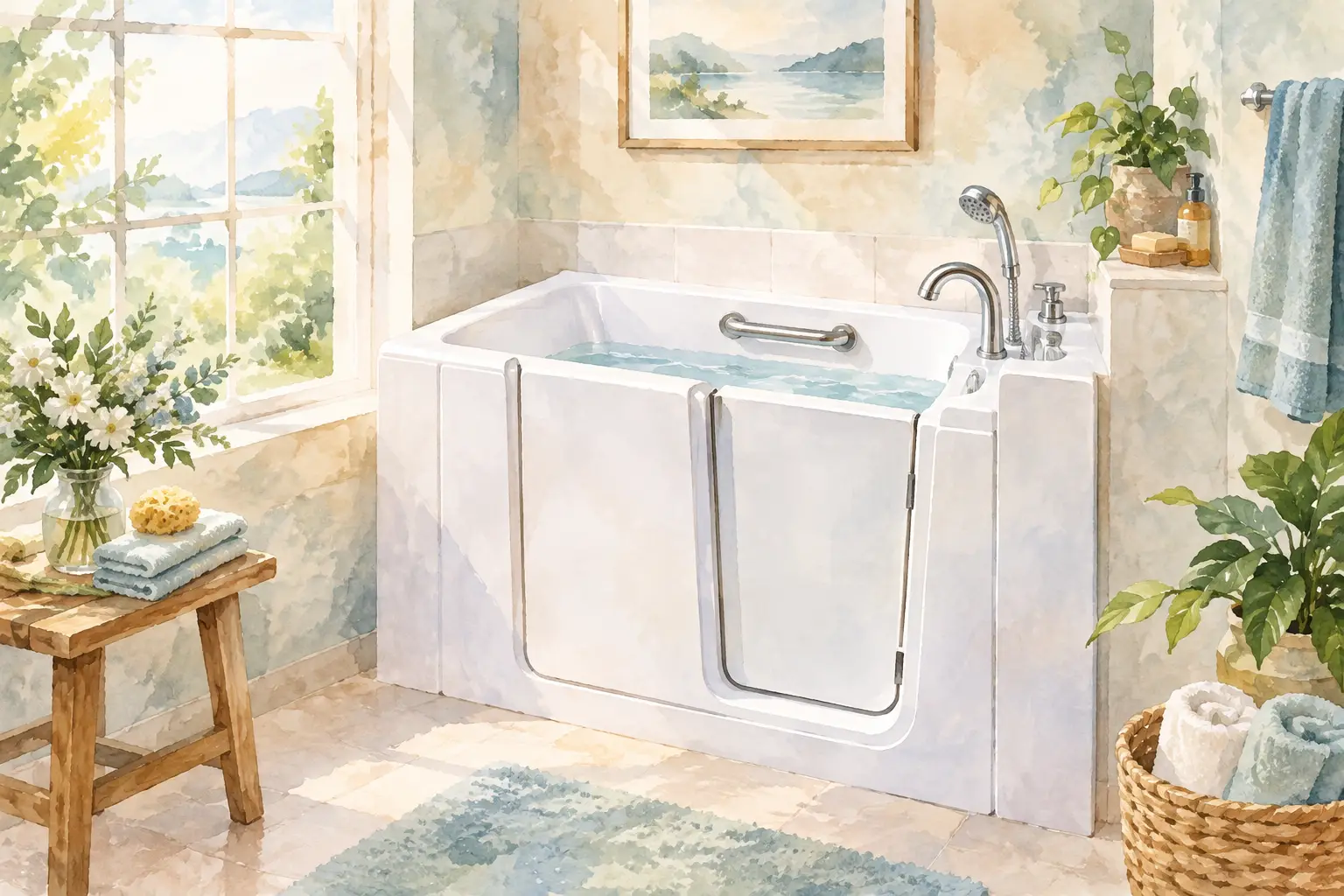
Modern bases are not limited to plain, builder-grade white. Homeowners can select from attractive colors, profiles, wall surrounds, fixtures, shelving, seating, and glass enclosure options to build a shower that feels clean, current, and personal. A low-threshold base can also help create a safer, more comfortable bathing experience for aging homeowners or anyone planning to stay in their home long term.
Cleaning and maintenance benefits
Grout is the maintenance dividing line in the shower base versus tile floor decision. Tile floors have many grout joints, particularly when small mosaic tiles are used. Those joints need routine attention to keep them looking fresh. Depending on the grout selected, periodic sealing may also be recommended.
A shower base has a smooth, nonporous surface that is generally easier to wipe clean. Use a nonabrasive cleaner and avoid harsh scouring products that can dull a finish. With basic care, a premium base provides the calm, clean appearance homeowners want from a remodeled bathroom without adding a demanding upkeep routine.
Accessibility and comfort
Shower bases are available with low entries and slip-resistant textures. This makes them a strong option for homeowners replacing a high-sided tub or preparing a bathroom for changing mobility needs. A thoughtfully designed shower can also include a built-in or fold-down seat, strategically placed safety features, a handheld showerhead, and easy-to-reach storage.
A low threshold is not the same as a completely barrier-free shower, so discuss your needs early in the design process. The floor height, drain location, framing, and overall bathroom layout all affect what is possible. The goal is a beautiful space that feels safer without looking clinical.
When a Tile Shower Floor May Be Worth It
Tile earns its reputation for design freedom. If your vision includes a specific natural stone look, an intricate mosaic, a bold geometric pattern, or a floor that continues visually into the rest of the bathroom, tile may be the more satisfying choice. It can give a shower a distinctive, built-from-scratch character that is hard to duplicate.
Tile is also adaptable for unusual floor plans. A custom shower with angled walls, a curved entry, or dimensions that do not align with standard base sizes may benefit from a tiled floor. When properly designed and installed, tile can create a truly tailored shower experience.
That level of customization comes with more moving parts. A tiled floor must be carefully sloped toward the drain, and its waterproofing system must be installed with precision before the visible tile goes in. The finished result depends heavily on craftsmanship, material selection, and the details beneath the surface. Beautiful tile cannot compensate for an improperly prepared shower floor.
Tile also usually requires a longer project timeline. Each stage needs to be completed in the proper sequence, and some materials need curing time before the next phase can begin. For homeowners who want a highly customized spa-inspired bath and have flexibility in the schedule, that trade-off can be worthwhile.
Cost: Look Beyond the Initial Number
It is tempting to compare only material prices, but the true cost of a shower floor includes design, preparation, waterproofing, installation labor, drainage work, finishing details, and long-term maintenance. A shower base is often the more predictable option because it arrives as an integrated, ready-to-install component. That can simplify labor and reduce the number of variables involved in the project.
A tile floor can vary widely in cost. Basic ceramic mosaics may be affordable, while handmade tile, porcelain mosaics, natural stone, specialty drains, and detailed patterns can raise the investment quickly. Labor also increases when a design requires more cuts, complicated layouts, or a custom waterproofing and mortar-bed build.
Value is not always about choosing the lowest starting price. A bathroom remodel should support your lifestyle and protect your home. Investing in high-quality materials, professional installation, and dependable warranty coverage can help you avoid the frustration of an attractive shower that does not hold up to daily use.
Safety, Durability, and Water Protection
Both choices can be durable when installed correctly. The difference is where the risk tends to live. With a shower base, the floor is a single manufactured unit, which means there are no floor grout joints to maintain. With tile, the waterproof layer underneath the tile is essential. Grout itself is not a waterproofing system, so the components below the surface must be designed and installed correctly.
For traction, do not assume that tile is safer simply because it has more grout lines, or that a smooth-looking base is automatically slippery. Many premium bases include textured surfaces designed for secure footing. Tile traction varies by finish, size, and material. A glossy large-format tile may be less appropriate for a wet shower floor than a smaller matte-finish mosaic designed for that purpose.
Ask to see and feel material samples before making a final selection. The right floor should suit your comfort level, household needs, and cleaning preferences as well as your design style.
How to Choose the Right Shower Floor for Your Home
Start with the daily experience you want. If you are tired of grout cleanup, need a more accessible entry, want to complete a tub-to-shower conversion efficiently, or prefer a durable surface with uncomplicated care, a shower base is likely the stronger fit. It delivers a polished, updated look while keeping the practical side of ownership simple.
If your bathroom is a long-awaited custom project and a particular tile design is central to your vision, a tiled floor may be worth the added time and maintenance. Choose materials rated for shower-floor use, and make sure the installation plan prioritizes waterproofing and drainage just as much as color and pattern.
It also helps to consider the rest of the bathroom. A compact hall bath may benefit from the visual calm and easy-care performance of a low-threshold base with elegant wall surrounds. A larger primary bathroom may have room for a more expansive custom shower design. There is no one-size-fits-all answer, only the option that best serves your home.
Elite Bath Solutions helps homeowners create bathrooms that feel more beautiful, comfortable, and manageable from day one. A design consultation can clarify your options, align the floor choice with your budget and goals, and ensure the finished shower is built for the way you want to live.
The best shower floor is the one you will appreciate long after the remodel is complete: secure underfoot, easy to care for, and a pleasure to step into every day.