A bathroom should not become a room you have to plan around. When stepping over a high tub wall feels uncertain, slick tile creates worry, or cleaning tight corners takes more effort than it should, the space is no longer supporting everyday life. Thoughtful senior bathroom design solves those concerns while preserving the comfort, beauty, and personal style that make a home feel like yours.
For many homeowners in Woodstock and North Metro Atlanta, the right update is not a clinical-looking accessibility project. It is a polished bath transformation built around safer movement, easier maintenance, and the confidence to enjoy a relaxing shower or bath for years to come.
Start With How the Bathroom Is Used
The strongest bathroom plans begin with real routines, not a catalog of safety features. Consider who uses the space today, what tasks feel difficult, and what may become more challenging over time. A homeowner who loves long baths may benefit most from a walk-in bathtub. Someone who wants a faster, more open daily routine may be better served by a low-threshold or barrier-free shower.
The layout matters just as much as the fixture. A beautiful shower is less useful if the entrance is tight, the controls are difficult to reach, or there is no comfortable place to sit while bathing. Likewise, a wider vanity area and clear floor space can make the room easier to navigate without making it look oversized or bare.
Planning ahead does not mean giving up the bathroom you want now. It means choosing features that continue to work as needs change. That is a practical investment in both daily comfort and long-term independence.
Senior Bathroom Design Priorities That Make a Difference
A well-designed senior bathroom often looks like a modern spa retreat because the best accessibility features blend into the overall design. The goal is to reduce strain and improve safety without turning the room into an institutional space.
Choose a Safer Entry Point
Traditional tubs require users to lift a foot high over the side wall, often onto a wet surface. That movement is one of the most common pain points in an aging bathroom. A tub-to-shower conversion can replace that obstacle with a low-threshold shower entry that is easier to step into and out of.
For homeowners who prefer soaking, a walk-in bathtub offers a different solution. Its watertight door allows entry without climbing over a conventional tub wall, while a built-in seat can provide a more stable and comfortable bathing position. The trade-off is that a walk-in tub is designed for a specific bathing experience: users must enter before filling and remain inside while it drains. For a quick shower routine, a low-entry shower may be the better fit.
Add Support Where It Is Actually Needed
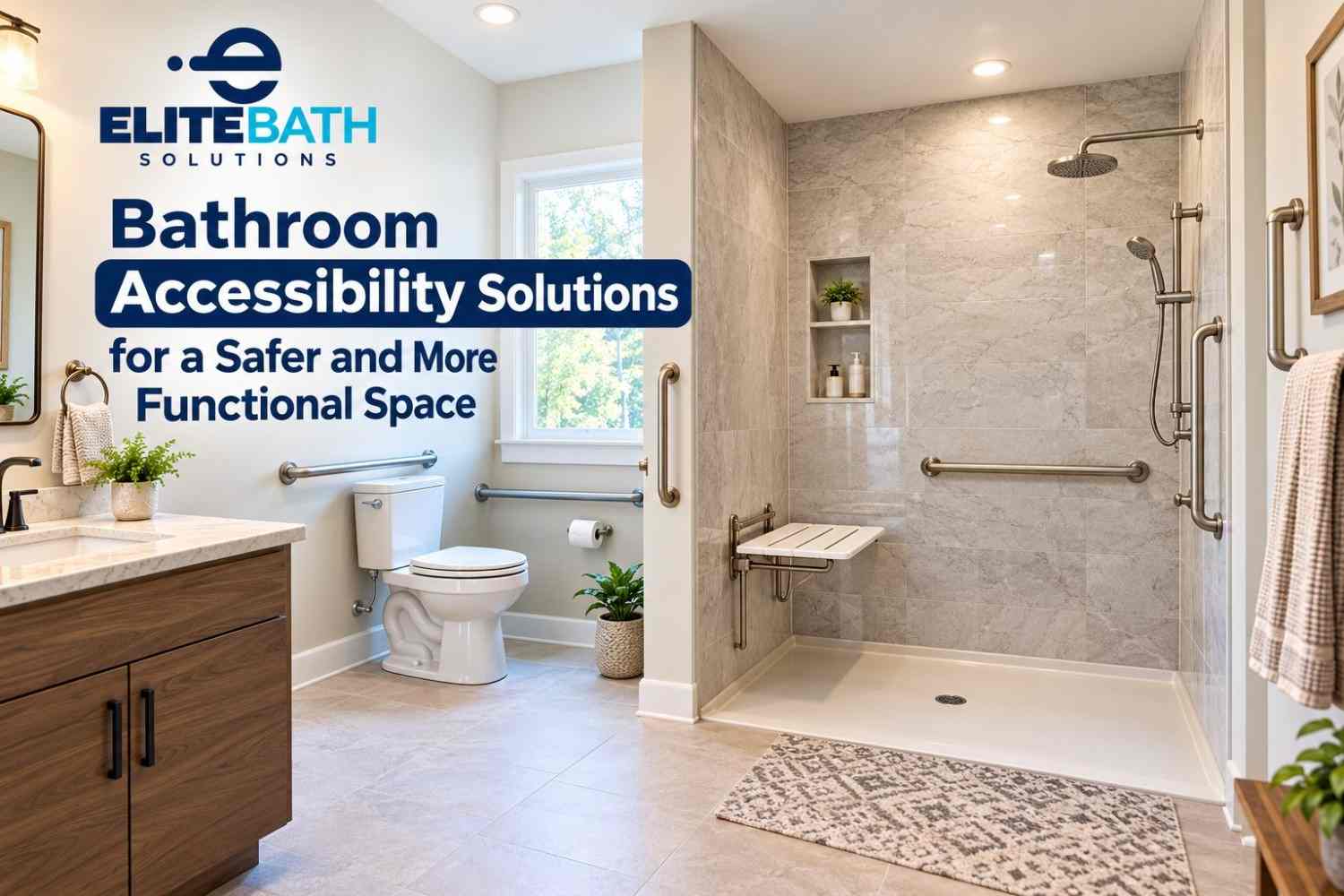
Grab bars are most effective when they are placed according to the way a person moves through the room. Support near the shower entry, inside the bathing area, and beside the toilet can make transitions more secure. They should be professionally anchored into solid framing or proper backing, not simply attached to the wall surface.
Today’s options are far more refined than the basic hospital-style bars many people picture. Coordinated finishes, sleek profiles, and strategically selected placement can make grab bars feel like a natural part of the bathroom hardware. A towel bar is not a substitute for a safety bar, however. It is not built to hold a person’s weight in a moment of imbalance.
Include a Comfortable Shower Seat
A built-in shower seat creates a practical place to rest while bathing, shaving, or simply enjoying a warm shower. It can be especially valuable for people with joint pain, balance concerns, or reduced stamina. Fold-down seating may work well in a smaller shower, while a permanent corner bench offers a more substantial, custom look.
The seat should be paired with controls that are easy to reach from both a standing and seated position. A handheld showerhead also adds flexibility, allowing users to direct water where it is needed without twisting or stretching.
Reduce Slip Risks Without Sacrificing Style
Flooring and shower bases need enough texture to provide reliable footing when wet. This does not require rough, difficult-to-clean surfaces. Premium shower systems can offer a secure underfoot feel alongside smooth, low-maintenance wall surrounds that resist staining, mildew, and the grout buildup that makes older bathrooms frustrating to maintain.
Small details help, too. A shower curtain can bunch up or create an obstacle at the entry, while a properly designed glass enclosure can keep water contained and preserve an open visual feel. The best choice depends on the bathroom’s layout, the desired level of accessibility, and how much clear opening is needed at the entrance.
Design for Visibility and Easy Control
Many bathroom accidents happen because it is difficult to see a wet floor, read a control, or find a switch during the night. Layered lighting makes a major difference. Bright, even overhead lighting helps illuminate the full room, while focused vanity lighting improves visibility for grooming. A night-light or low-level pathway light can make late-night trips safer without creating a harsh glare.
Controls should be intuitive and comfortable to operate. Lever-style faucets are generally easier to use than small knobs, particularly for homeowners with arthritis or limited hand strength. A single-handle shower control can simplify temperature adjustment, while an anti-scald valve helps prevent sudden temperature changes.
Color contrast is another quiet but useful design tool. A light shower wall paired with a darker grab bar, seat edge, or floor can make boundaries easier to see. The result can still feel warm and sophisticated. Contrast does not have to mean bold colors; soft variations in tone often provide enough definition.
Make Cleaning Less Demanding
A low-maintenance bathroom is a quality-of-life upgrade. When walls are covered in aging tile and grout, routine cleaning can become an exhausting chore. Grout lines collect moisture, soap residue, and mildew, particularly in heavily used showers.
Modern wall surrounds provide a clean, finished appearance with far fewer seams to scrub. They are designed to resist water damage and can be customized in colors and patterns that complement the rest of the home. For homeowners who want the look of stone or tile without constant grout maintenance, this is one of the most rewarding upgrades available.
Storage also deserves attention. Items left on the floor create clutter and tripping hazards, while a vanity with accessible drawers or open lower storage can keep daily essentials within reach. The best storage is not simply abundant. It is organized around the items used most often.
Avoid the One-Size-Fits-All Remodel
Not every senior-friendly bathroom needs the same features. A homeowner recovering from surgery may need temporary support and a shower seat. A couple planning to remain in their home for decades may prioritize a complete tub-to-shower conversion, widened access, and durable materials built for long-term use. A multigenerational household may need a space that feels equally comfortable for a grandparent, adult child, and visiting guest.
Budget and timeline also shape the project. A full layout change can create more room, but it may involve plumbing relocation and added construction. In many cases, updating the bathing area delivers the biggest improvement with less disruption. A specialized bath remodeler can help identify the changes that create the most comfort and safety within the existing footprint.
Elite Bath Solutions focuses exclusively on bath and shower transformations, helping homeowners select premium, waterproof solutions that fit their routines, style preferences, and goals for aging in place. A focused consultation can turn an overwhelming list of possibilities into a clear plan.
A Bathroom That Supports the Next Chapter
The right bathroom should make mornings easier and evenings more relaxing, not add another source of hesitation. Start by noticing the moments that feel inconvenient or unsafe now, then choose updates that replace those worries with comfort, stability, and a look you will be proud to come home to.