A shower door can change the entire feeling of a bathroom. It can make a compact bath feel brighter and more open, or create a defined, practical bathing space that stands up to busy family mornings. When homeowners compare framed versus frameless shower doors, the right answer is rarely about appearance alone. Budget, layout, cleaning preferences, glass configuration, and long-term comfort all matter.
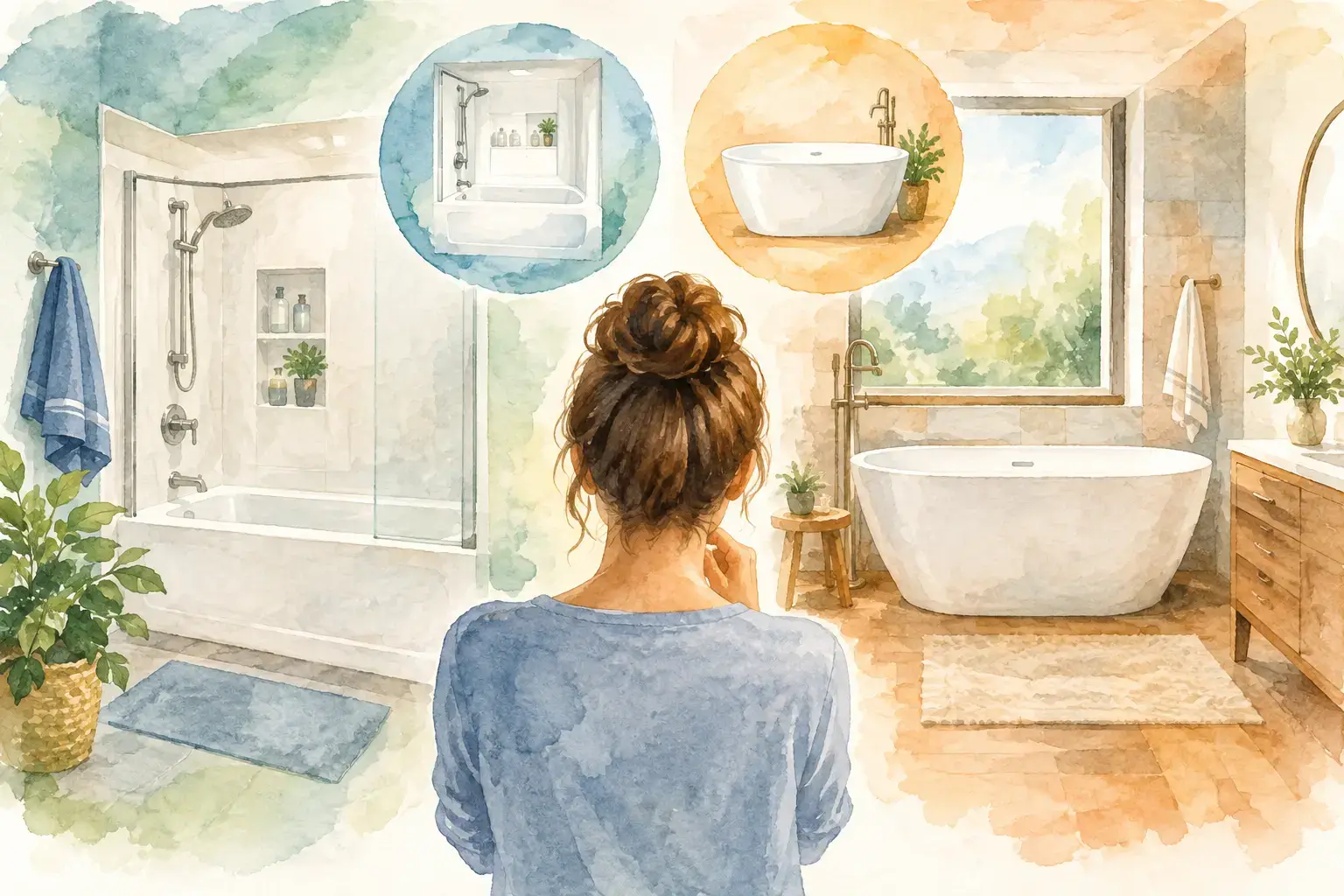
For many Atlanta-area homeowners, the choice comes down to a simple question: Do you want the clean, custom look of exposed glass, or the dependable value and water containment of a framed enclosure? Both can be beautiful when they are properly measured, installed, and matched to the shower beneath them.
Framed versus frameless shower doors at a glance
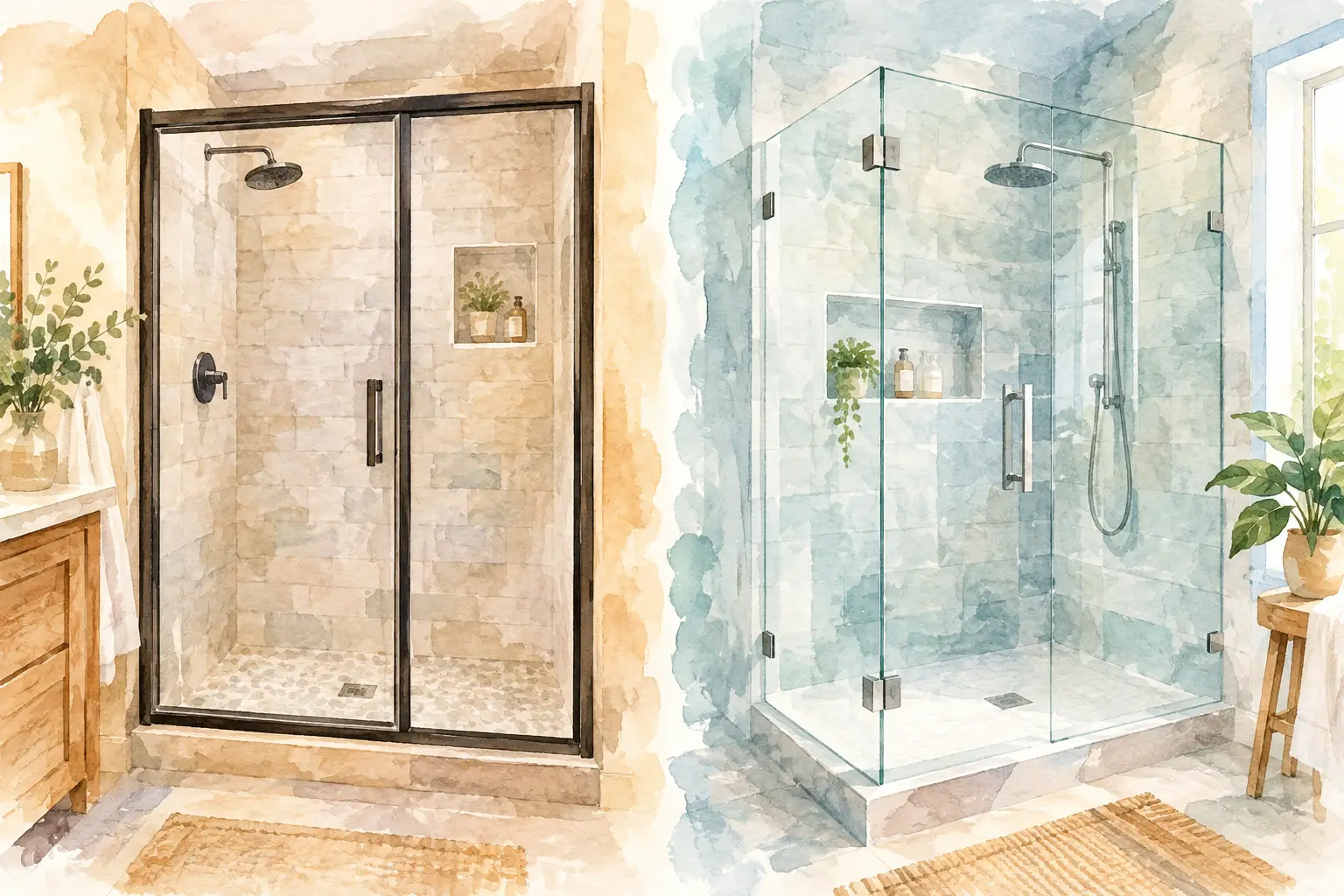
A framed shower door uses metal framing around the perimeter of the glass panels. The frame adds structure, allowing the enclosure to use thinner glass and helping direct water back into the shower. These doors are available in a wide range of finishes, including chrome, brushed nickel, matte black, and oil-rubbed bronze.
A frameless shower door uses thick, tempered safety glass with minimal metal. Instead of a full frame, it relies on heavy-duty hinges, clamps, and carefully placed seals. The result is an airy, polished look that puts the tile, wall surround, and fixtures on display.
Neither option is automatically better. A framed door is often the smart choice for a straightforward replacement or a bathroom where affordability is the priority. A frameless enclosure is often worth the investment when you are creating a custom shower, upgrading finishes, or want the room to feel more spacious.
Why homeowners choose framed shower doors
Framed shower doors are popular for practical reasons. The surrounding metal provides support, which means the glass can be lighter and thinner than what a frameless system requires. That usually makes framed options more budget-friendly, especially for standard tub-shower combinations and conventional shower openings.
The frame also provides more built-in water control. Continuous channels and magnetic closures help contain splashing, which can be especially useful in a household with children or in a shower with a more active spray pattern. If your bathroom layout leaves little room for a wide door swing, framed sliding doors can be an efficient solution.
There is also no shortage of style. Modern framed doors are far removed from the bulky, shiny enclosures many homeowners remember from decades ago. Slimmer profiles and updated finishes can complement a fresh shower surround or a full bathroom makeover without overwhelming the space.
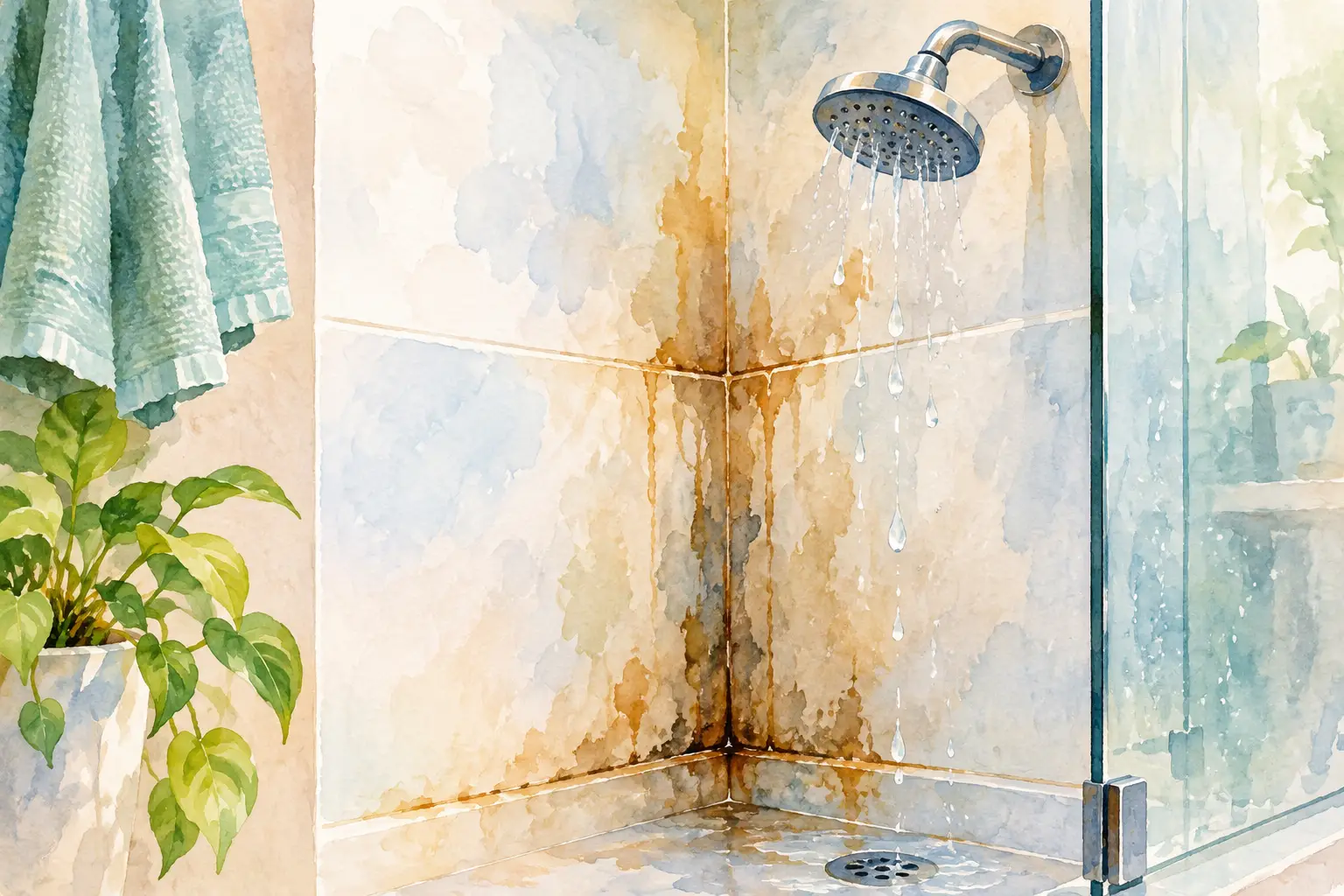
The trade-off is maintenance. Metal tracks, especially on sliding doors, can collect soap residue, minerals, and moisture. North Georgia’s water conditions can make mineral buildup more noticeable over time. Regular wiping and occasional cleaning of the lower track will keep the door operating smoothly and looking its best.
Best situations for a framed enclosure
A framed door often makes sense when you want a reliable upgrade at a controlled price point, need a sliding configuration, or are refreshing a standard-size tub or shower without changing the overall layout. It can also be a practical fit when the shower opening has minor wall variations that make a highly precise glass installation less ideal.
What makes frameless shower doors different
Frameless shower doors are designed for visual impact. With little to interrupt the view, the glass becomes almost invisible, allowing the shower walls and finishes to take center stage. In a smaller bathroom, that openness can make a meaningful difference. Sightlines continue through the enclosure instead of stopping at a metal border.
These systems use thick tempered glass, commonly 3/8 inch or 1/2 inch, along with substantial hinges and hardware. The glass is engineered for safety, but it must be measured and installed with exceptional accuracy. Walls, thresholds, and floors need to be evaluated carefully because frameless glass does not have a broad frame to disguise uneven surfaces.
Frameless doors also make cleaning simpler in many ways. Without a bottom track and with fewer channels, there are fewer places for grime to hide. A quick squeegee after showering and a non-abrasive glass cleaner can help preserve the clear, bright look homeowners love.
That said, frameless does not mean completely water-tight. A well-designed enclosure uses discreet vinyl sweeps, seals, and proper door placement to manage water. Still, a small amount of water can escape through the narrow gaps that give frameless doors their clean appearance. An experienced bath specialist will account for showerhead location, threshold slope, door swing, and panel placement before recommending a design.
Best situations for a frameless enclosure
Frameless glass is an excellent fit for walk-in showers, custom shower layouts, corner enclosures, and bathrooms with tile or premium wall surrounds worth showing off. It is especially appealing for homeowners seeking a spa-inspired retreat with a high-end, open feel. The investment can also support perceived home value by giving the bathroom a more customized finish.
Cost: where the real difference comes from
Framed shower doors generally cost less because the frame supplies much of the structure and thinner glass can be used. They are commonly offered in standard sizes, which can further reduce material and installation costs.
Frameless doors cost more because of the thicker glass, stronger hardware, custom measurement requirements, and detailed installation. A fixed glass panel paired with a hinged door may also require more planning than a standard sliding enclosure. If your shower opening is unusually wide, angled, or out of square, custom glass work can increase the price further.
The best value is not always the lowest initial price. Consider how long you expect to stay in the home, the level of finish you want throughout the bathroom, and whether the new door complements the shower itself. A premium glass enclosure can look out of place if the shower walls, base, and fixtures are worn. On the other hand, a quality framed enclosure can be an excellent finishing touch for a durable, low-maintenance shower update.
Cleaning and everyday maintenance
Both styles benefit from a simple routine: use a squeegee after bathing, wipe hardware and seals regularly, and avoid abrasive pads or harsh cleaners that can damage finishes. If possible, keep the bathroom ventilated so moisture does not linger.
Frameless doors are easier to access because they have fewer tracks and crevices. However, clear glass makes water spots more visible, particularly when the door is backlit. Homeowners who prefer a lower-visibility option may choose frosted, patterned, or coated glass where available.
Framed doors ask for more attention at the track, but they can be very forgiving in active households. Their seals and channels are designed to contain water effectively, which may outweigh the extra cleaning for some families.
Safety, accessibility, and shower layout
A shower door should support how you use the bathroom every day. For an aging homeowner or anyone planning ahead for accessibility, a wide opening and low-threshold shower can be more valuable than a particular door style. Frameless fixed panels are often used in open-entry designs because they preserve a spacious feel while limiting splash outside the bathing area.
A swinging frameless door requires enough clear floor space to open safely. In a tight bathroom, a sliding framed door or a fixed-panel configuration may be the better answer. Door hardware, grab bar placement, shower controls, and the direction of the door swing should all be considered before installation begins.
This is where a consultation makes a difference. Elite Bath Solutions evaluates the full shower experience, not just the glass. The goal is a bathroom that looks exceptional and works comfortably for years, with premium materials and installation details that protect the space behind the walls.
How to choose with confidence
Choose a framed shower door if you want strong value, dependable water containment, and a versatile option for a standard tub or shower opening. Choose frameless if you want a more open, elevated design and are comfortable investing in thicker glass, precision installation, and a little more attention to visible water spots.
The shower itself should guide the decision. A beautiful enclosure is most successful when it suits the size of the room, the people who use it, and the kind of maintenance you are genuinely willing to do. Start with the bathroom you want to enjoy every morning, then select the door that makes that experience feel complete.