A bathroom can become difficult long before a homeowner is ready to leave the home they love. A high tub wall, slick floor, cramped layout, or lack of a secure place to steady yourself can turn an ordinary shower into a daily concern. Choosing to convert a bathtub for seniors is not simply about adding accessibility. It is an opportunity to create a beautiful, low-maintenance space that feels more comfortable, private, and dependable every day.
For homeowners in Woodstock and across North Metro Atlanta, the right bath conversion can preserve independence without making the bathroom feel clinical. The best designs balance safety features with premium finishes, thoughtful storage, and a layout that makes the whole room easier to enjoy.
Why a Standard Bathtub Can Become a Safety Concern
Traditional tubs ask users to step over a high side while balancing on a wet surface. That movement can be challenging for someone with reduced mobility, joint pain, limited balance, or an injury. Even a careful person may feel unsteady when there is nowhere convenient to hold on.
The issue is not always an obvious fall. Many homeowners begin avoiding baths or delaying showers because the process feels tiring, awkward, or stressful. Family members may notice the concern before their loved one says anything. A bath conversion removes that unnecessary obstacle and replaces it with a bathing space designed around easier movement.
Safety also has a practical side. A bathroom that is simpler to enter, clean, and use can support aging in place while reducing the need for another major remodel later. It can be a meaningful investment in the home, not a temporary compromise.
How to Convert a Bathtub for Seniors
Most homeowners choose between a tub-to-shower conversion and a walk-in bathtub. Both can improve access, but they serve different needs. The right answer depends on how the bathroom is used today, the homeowner’s mobility, and whether standing for a shower remains comfortable.
Tub-to-shower conversions for easier entry
A tub-to-shower conversion replaces the existing tub with a spacious shower featuring a low threshold or, where the layout allows, a near-zero-entry base. This is often the most practical choice for seniors who prefer showering while standing or who would benefit from a shower seat.
The open design can make the bathroom feel larger immediately. It also gives a caregiver more room to assist if that becomes necessary. For many households, a conversion is the ideal blend of accessibility, modern style, and easy upkeep.
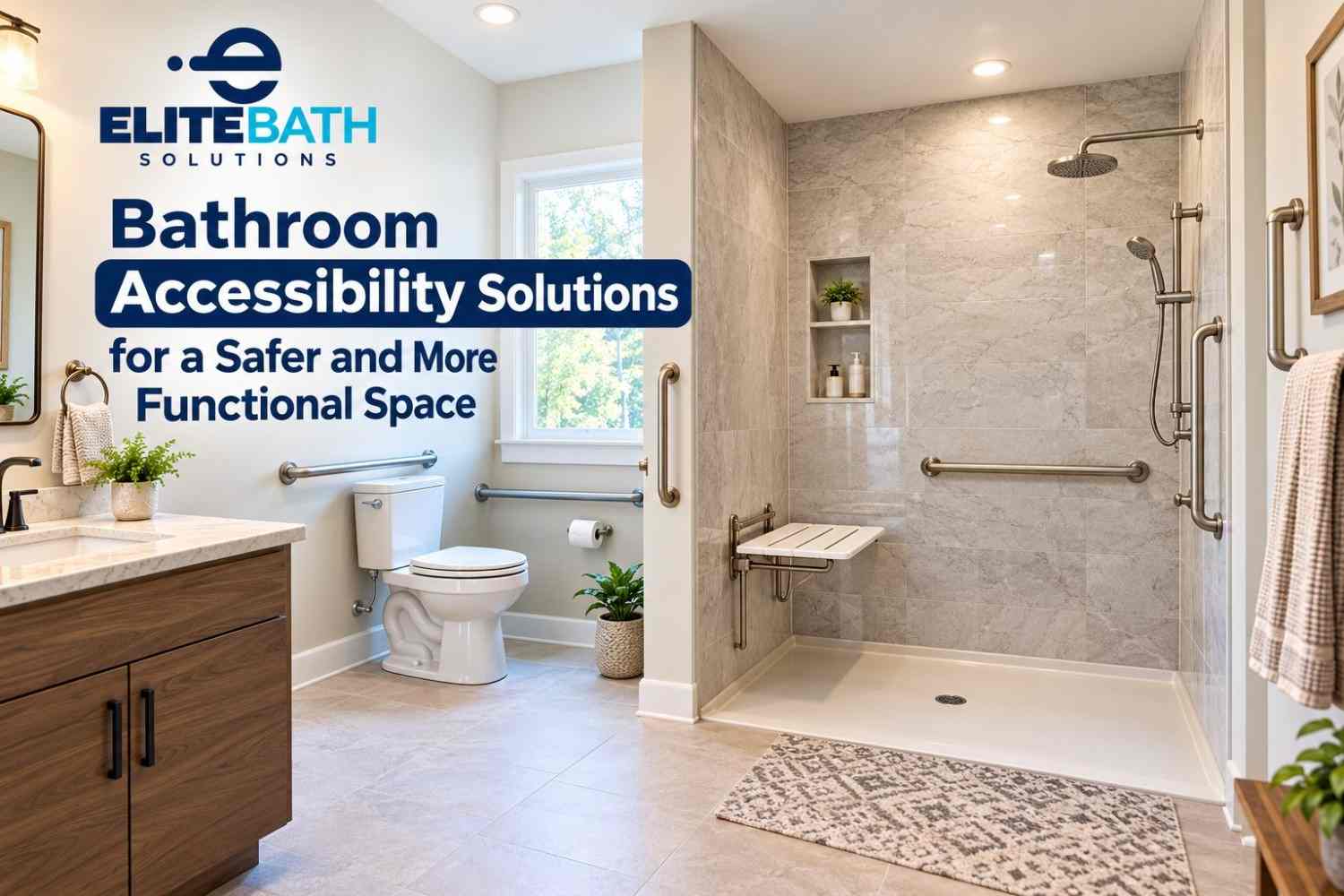
A well-planned shower may include a built-in or fold-down seat, strategically placed grab bars, a handheld showerhead, non-slip flooring, and easy-to-reach controls. These details should be selected early, not added as an afterthought. When they are integrated into the overall design, they support safety without taking away from the finished look.
Walk-in bathtubs for seated bathing
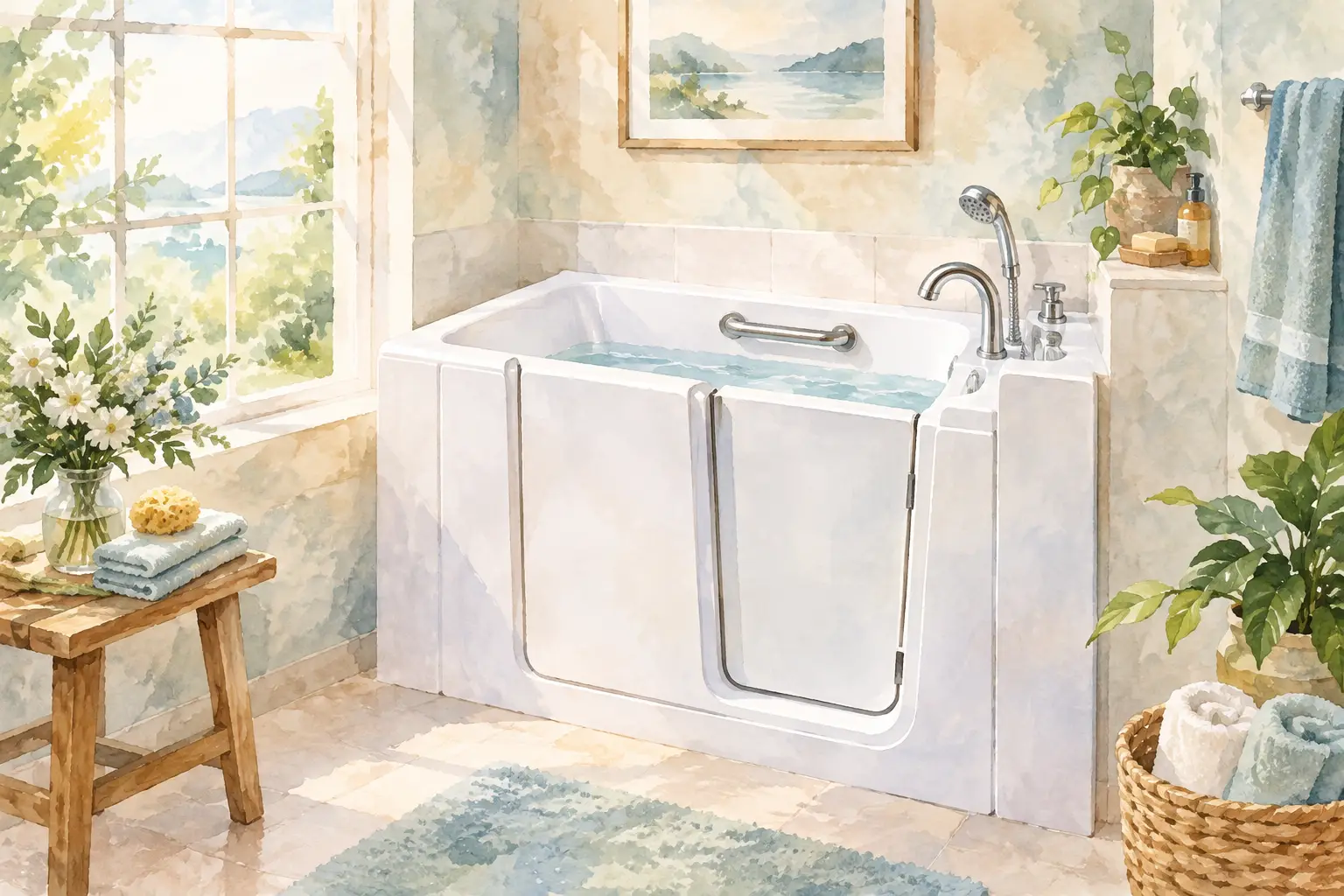
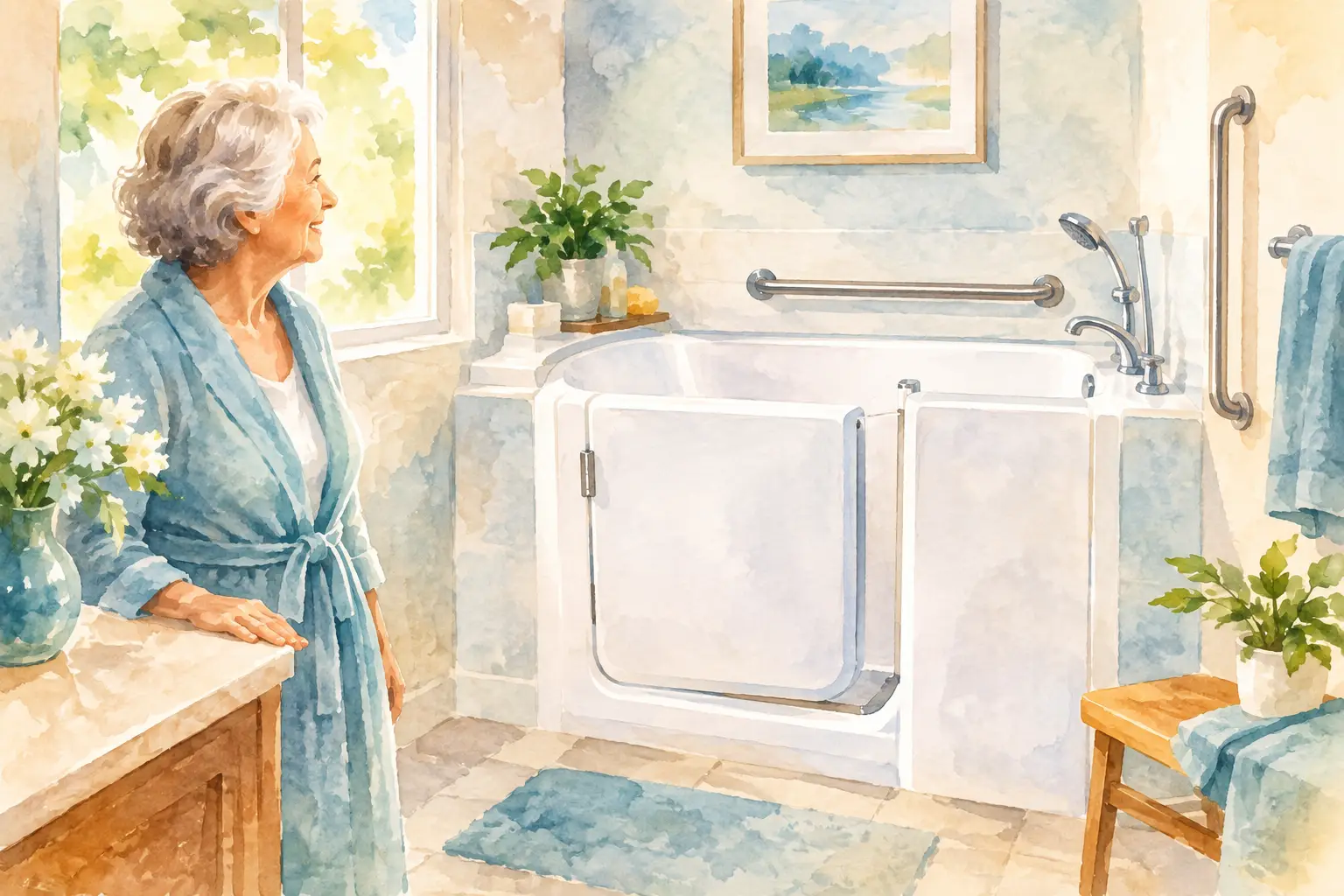
A walk-in bathtub has a watertight door and a low entry point, allowing the user to step in more easily and bathe while seated. This can be an excellent option for someone who finds a warm soak soothing for sore muscles or who is no longer comfortable standing through an entire shower.
There are trade-offs to consider. Walk-in tubs require time to fill and drain, and the user generally needs to remain in the tub while it empties. They also have a different visual footprint than an open shower. For the right homeowner, however, the added comfort and seated bathing experience can be well worth it.
Features That Make a Senior-Friendly Bathroom Work Better
Accessibility is strongest when several small decisions work together. A low entry is valuable, but it is only part of a safer bathing space. Flooring, controls, lighting, and storage all affect how confidently someone can use the room.
Non-slip shower flooring helps provide better traction underfoot. Grab bars offer reliable support during entry, exit, and movement inside the shower. They should be professionally anchored and positioned for the person using the space, rather than installed wherever there happens to be open wall area.
A handheld showerhead is another simple but high-value choice. It makes it easier to rinse while seated, reduces twisting and reaching, and can be useful for cleaning the shower itself. Pairing it with an adjustable slide bar gives the household more flexibility as needs change.
Good lighting matters just as much as the shower fixtures. Bright, even illumination reduces shadows around the threshold and controls. Lever-style faucets and clearly marked temperature controls can also make a meaningful difference for hands affected by arthritis or limited grip strength.
Outside the shower, consider a comfort-height toilet, a vanity with accessible storage, and clear walking space. A bathroom feels safer when everyday items such as towels, soap, and medications do not require bending, stretching, or navigating around clutter.
Choose Materials That Stay Beautiful With Less Work
A senior-friendly bathroom should not demand constant scrubbing or complicated upkeep. Grout-heavy tile can be beautiful, but it may require more cleaning and maintenance than some homeowners want. Premium wall surrounds and shower bases offer a polished alternative with fewer seams, moisture-resistant construction, and surfaces that are easy to wipe clean.
The goal is a bath area that resists stains, mildew, and daily wear while still reflecting the homeowner’s style. Clean white walls feel bright and timeless, while subtle stone patterns, soft gray tones, or warm neutral finishes can give the room a more custom appearance. Glass doors can create an open look, but a quality shower curtain may be easier to operate for some users. It depends on mobility, reach, and personal preference.
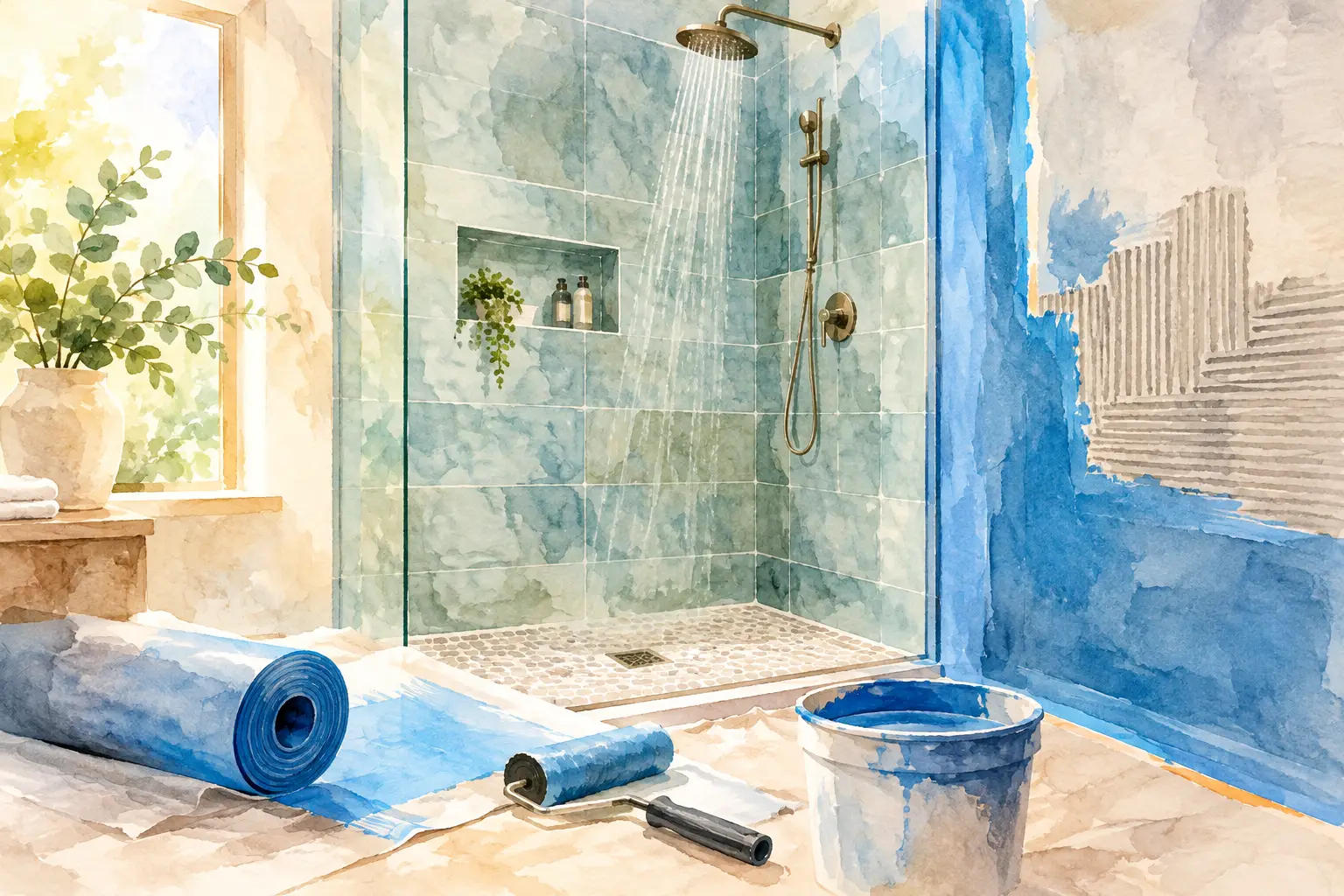
Durability should never be separate from design. When materials are built for wet environments and installed with careful waterproofing, homeowners gain more confidence that their new bathroom will look good and perform well for years.
Plan for Current Needs and Future Comfort
A conversion does not have to look like a medical accommodation. The most successful projects anticipate future needs while creating a room the homeowner enjoys now. A stylish bench, elegant grab bars, and a thoughtfully selected shower system can feel like part of a spa-inspired upgrade rather than a collection of add-ons.
During a professional consultation, be candid about how the bathroom is used. Does someone need to sit while bathing? Is stepping over the tub wall the main concern? Will a spouse, adult child, or caregiver occasionally need room to help? Is preserving a bathtub elsewhere in the home important for grandchildren or resale preferences?
These answers guide the layout. In a primary bathroom, a roomy shower may be the most valuable daily improvement. In another home, a walk-in tub may better match the homeowner’s comfort and wellness routine. There is no one-size-fits-all solution, and a specialist should explain the practical trade-offs clearly.
What to Expect From a Professional Bath Conversion
A focused bath remodeling team can often transform an existing tub area far faster than a full, open-ended renovation. The process typically begins with an in-home consultation to assess the space, discuss safety goals, review design options, and take precise measurements.
From there, the project should be planned as a complete system. That includes the shower or tub, wall materials, base, fixtures, safety accessories, and waterproof installation details. Homeowners should not have to coordinate several separate contractors to achieve one finished bathing space.
At Elite Bath Solutions, the emphasis is on premium materials, expert craftsmanship, efficient installation, and long-term confidence backed by a full lifetime warranty covering products, labor, and materials. That kind of coverage matters when the remodel is intended to make daily life easier for years to come.
Before selecting a contractor, ask what is included in the quoted scope, how the work area will be protected, what installation timeline is realistic, and how warranty support works after the project is complete. Clear answers are a sign that the company understands both the technical work and the homeowner experience.
A More Confident Start to Every Day
The best time to improve bathroom access is before a stressful incident forces a rushed decision. A beautifully designed shower or walk-in tub can bring more ease to a daily routine, more confidence for the person using it, and more peace of mind for the whole family. A free consultation is a practical first step toward creating a bathroom that supports comfort now and independence for the years ahead.