A walk-in tub should make bathing feel more comfortable, not more complicated. The best walk in tub features work together to reduce daily strain, support safer movement, and create a relaxing place to unwind without sacrificing the polished look of your bathroom.
For many homeowners in Woodstock and North Metro Atlanta, the decision starts with safety. But the right tub can offer much more than a grab bar and a door. From a low entry threshold to therapeutic jets and easy-clean surfaces, the details determine whether a walk-in bathtub feels like a true long-term upgrade.
Start With a Low, Easy-Access Entry
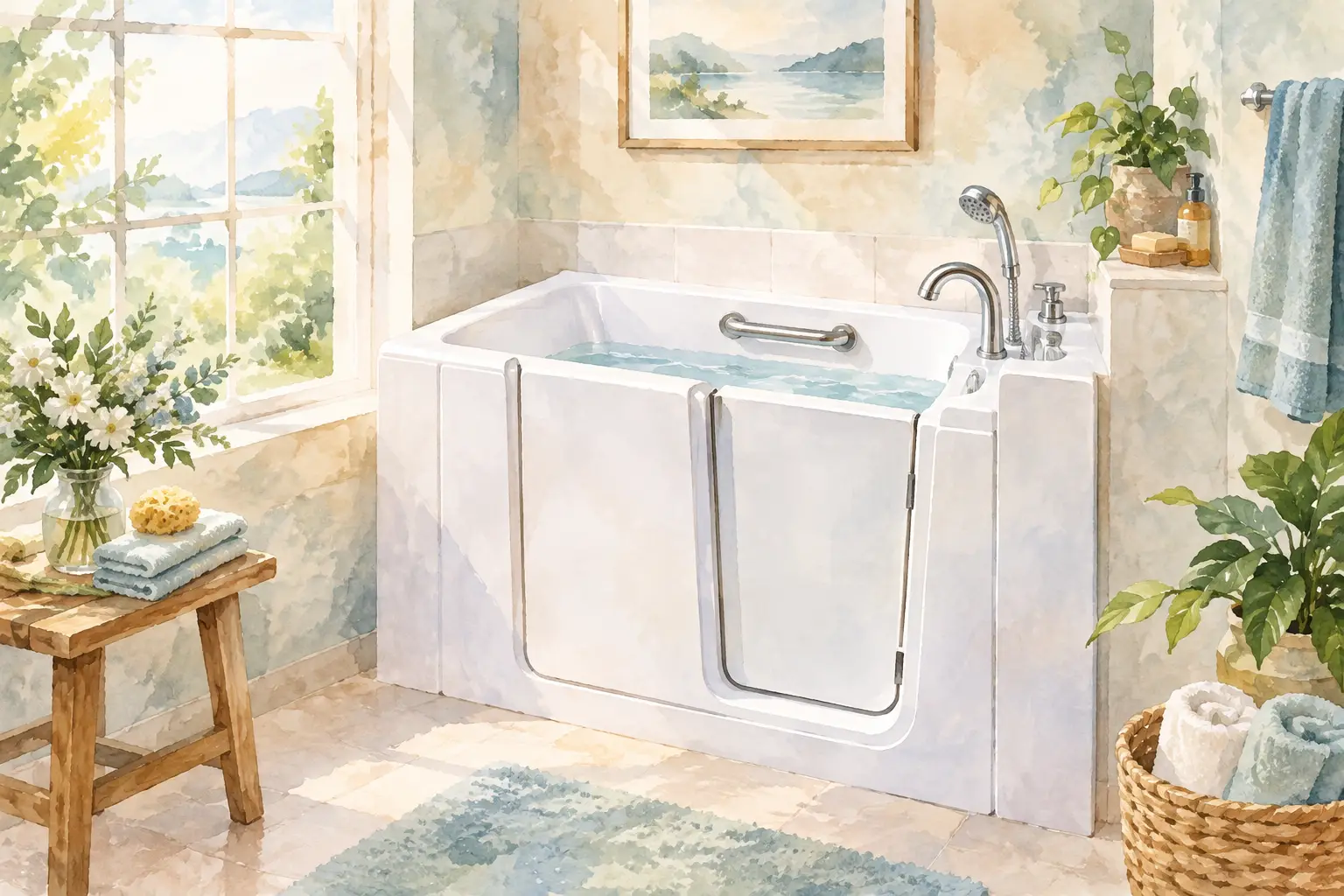
The defining feature of a walk-in tub is its watertight door and low threshold. Instead of stepping over the high wall of a traditional bathtub, you enter through a door designed to reduce the height of the step. This can be especially valuable for aging homeowners, anyone recovering from an injury, or family members with limited mobility.
Look closely at the threshold height during your consultation. A lower threshold can make a meaningful difference, but it should also be paired with a door opening wide enough for the person using the tub. Inward-swinging doors can be practical in tighter bathrooms, while outward-swinging doors may offer easier access for some users. The best choice depends on available space, mobility needs, and whether a caregiver may need to assist.
Choose a Comfortable Built-In Seat
A walk-in bathtub is designed for seated bathing, so the seat deserves more attention than many homeowners give it. A well-designed, contoured seat supports a comfortable upright position and helps reduce the need to lower yourself all the way to the floor of the tub.
Seat height, width, and back support matter. A taller bather may need more legroom, while someone with arthritis may prefer a seat that makes standing easier. If more than one person will use the tub, aim for a design that feels supportive for the primary user without making the bathing area unnecessarily cramped.
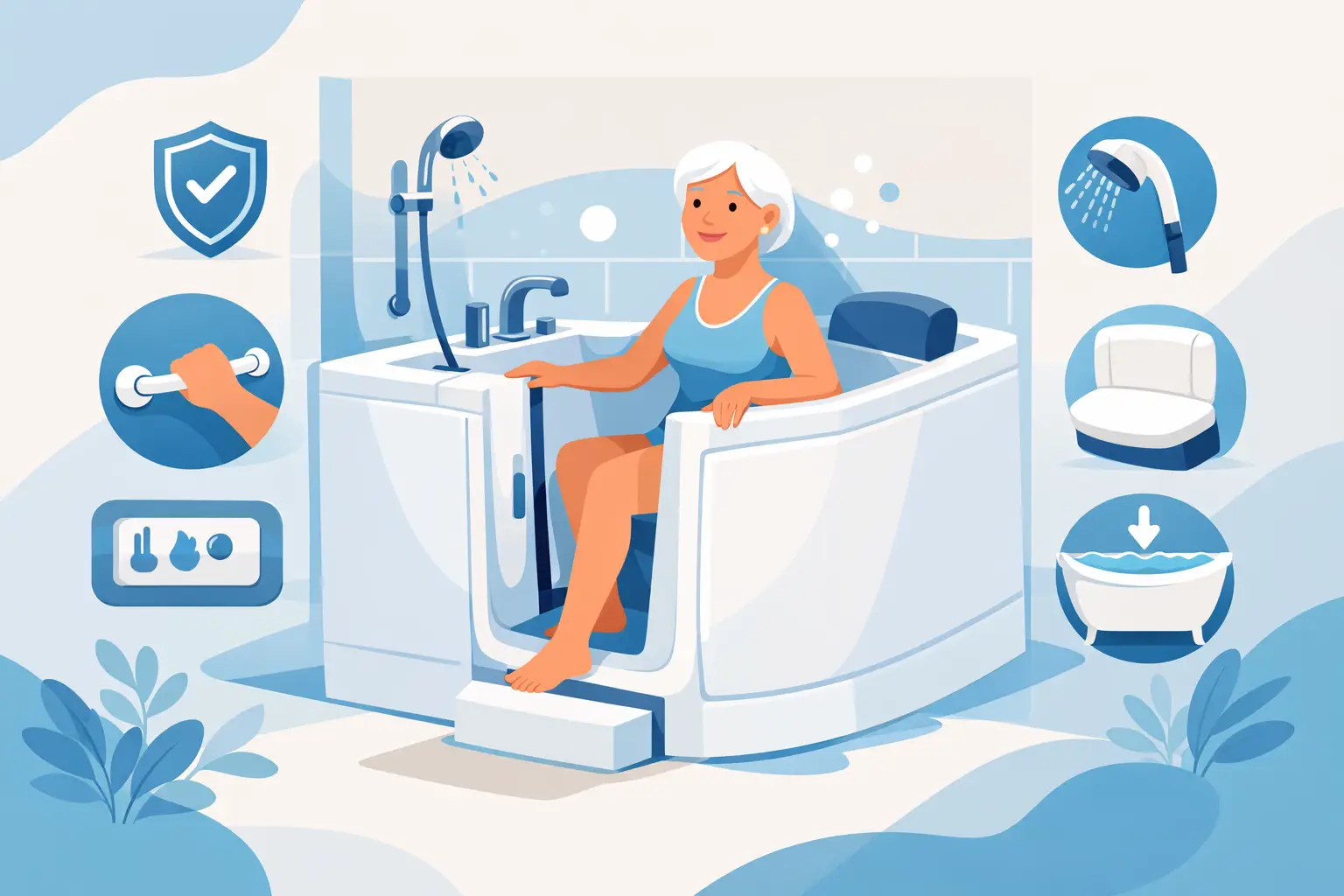
Comfort also means feeling secure. A textured, slip-resistant floor and strategically placed grab bars help users settle into the seat and rise again with greater confidence. These are not decorative extras. They are essential features that support safer everyday routines.
Look for Fast Filling and Draining
Every walk-in tub user has to remain inside the tub while it fills and drains. That makes an efficient drain system one of the most practical features to prioritize. A fast-drain system can reduce the wait at the end of a bath, helping the experience feel more convenient and comfortable.
Fast-fill faucets are worth considering as well. They can shorten the time before your bath begins, particularly in homes where the water pressure and plumbing support it. Your bathroom specialist should evaluate the existing plumbing before making promises about fill and drain times. A premium tub only performs as well as the installation behind it.
This is one reason specialized bath remodeling matters. Elite Bath Solutions helps homeowners consider the full bathing experience, including the surrounding walls, plumbing, layout, and waterproof installation details that protect the space for years to come.
Hydrotherapy Jets Can Add Real Everyday Relief
For homeowners dealing with sore muscles, stiffness, or the aches that come with an active lifestyle, hydrotherapy can turn a daily bath into a welcome comfort ritual. Whirlpool jets use water movement to provide a more vigorous massage, while air jets create a gentler bubbling sensation across the body.
Neither option is automatically better. Whirlpool systems often appeal to people seeking a deeper, targeted massage for areas like the lower back, hips, and legs. Air jets are usually quieter and can feel softer on sensitive skin. Some walk-in tubs combine both, offering a more customizable experience.
It is wise to think beyond the sales brochure here. More jets do not always mean more comfort. Proper placement, simple controls, and easy cleaning are often more valuable than an oversized jet count. If hydrotherapy is a priority, ask how the system is purged or cleaned after use to help prevent lingering moisture in the lines.
Temperature Controls Should Be Simple and Dependable
A comfortable bath can become a safety concern if water temperature changes unexpectedly. Quality walk-in tubs should include easy-to-reach controls and anti-scald protection that helps maintain a safe, steady temperature.
Controls should be usable without twisting painfully or reaching across the tub. Large handles, clearly labeled settings, and an accessible shower wand can make a major difference for someone with reduced hand strength or limited range of motion. If you are choosing features for a parent or planning to age in place, simple operation is usually better than complicated technology.
A hand-held showerhead is particularly useful because it allows for seated rinsing and makes it easier to clean the tub itself. It can also help a caregiver assist without making the process feel awkward or unsafe.
The Best Walk In Tub Features Include Easy Cleaning
A walk-in tub should support a cleaner, lower-maintenance bathroom, not create more chores. Nonporous acrylic surfaces are popular because they resist stains, are easy to wipe down, and maintain their finish with routine care. Smooth wall surrounds can also reduce the number of grout lines that collect soap residue and mildew.
When comparing models, ask about the door seal, drain components, jet maintenance, and recommended cleaning routine. A tub that is beautiful on installation day should still be practical six months and six years later. Durable materials and professional waterproofing protect both the appearance of the bathroom and the investment beneath the surface.
For many homeowners, pairing a walk-in tub with a modern wall surround creates a more complete transformation. It can replace an outdated, difficult-to-clean bathing area with a bright, finished space that feels more like a personal retreat.
Consider Size, Layout, and Bathroom Door Clearance
Walk-in tubs come in a range of sizes, including compact models designed for smaller bathrooms. That does not mean every tub will fit every space. The existing tub footprint, bathroom doorway, plumbing location, and surrounding clearance all affect what is possible.
A compact tub may preserve room for a vanity or toilet, but it can feel restrictive for a taller or broader user. A larger model can provide more interior comfort but may require a more significant layout adjustment. The strongest choice balances safe access with a fit that feels natural in the room.
Before selecting a model, have the space measured by a bathroom professional. This helps avoid surprises involving door swings, tight passages, or fixture placement. It also gives you a clearer picture of whether a one-day bath conversion is feasible for your home or whether the project needs additional planning.
Do Not Overlook the Warranty and Installation Quality
Features matter, but installation quality is what makes them reliable. A walk-in tub requires precise fitting, dependable plumbing connections, waterproof wall systems, and careful attention to the door seal. A poor installation can lead to leaks, drainage issues, and unnecessary frustration.
Choose a bath specialist that can explain what is included, how the tub will be installed, and what warranty protection applies to products, labor, and materials. Financing options can also make a high-quality accessibility upgrade more manageable without forcing you to compromise on the features that matter most.
The best walk-in tub is not necessarily the one with every available add-on. It is the one that fits your mobility needs, bathing habits, bathroom layout, and expectations for lasting comfort. A thoughtful consultation can turn that decision into a bathroom upgrade that gives you more confidence every time you step inside.