A bathroom wall can look beautiful on installation day and still become the part of the room you regret a few years later. Grout stains, loose tiles, water intrusion, and difficult cleaning all start with a material choice that did not match the way your household uses the space. The best bath wall materials balance appearance with the essentials that matter every day: waterproof performance, easy care, durability, and a finish you will enjoy seeing each morning.
For many North Metro Atlanta homeowners, the right answer is not the most expensive option or the trendiest showroom display. It is the wall system that fits the bathroom, the budget, and the desired level of maintenance. Here is how the leading options compare before you commit to a tub surround, walk-in shower, or full bath makeover.
What the Best Bath Wall Materials Need to Do
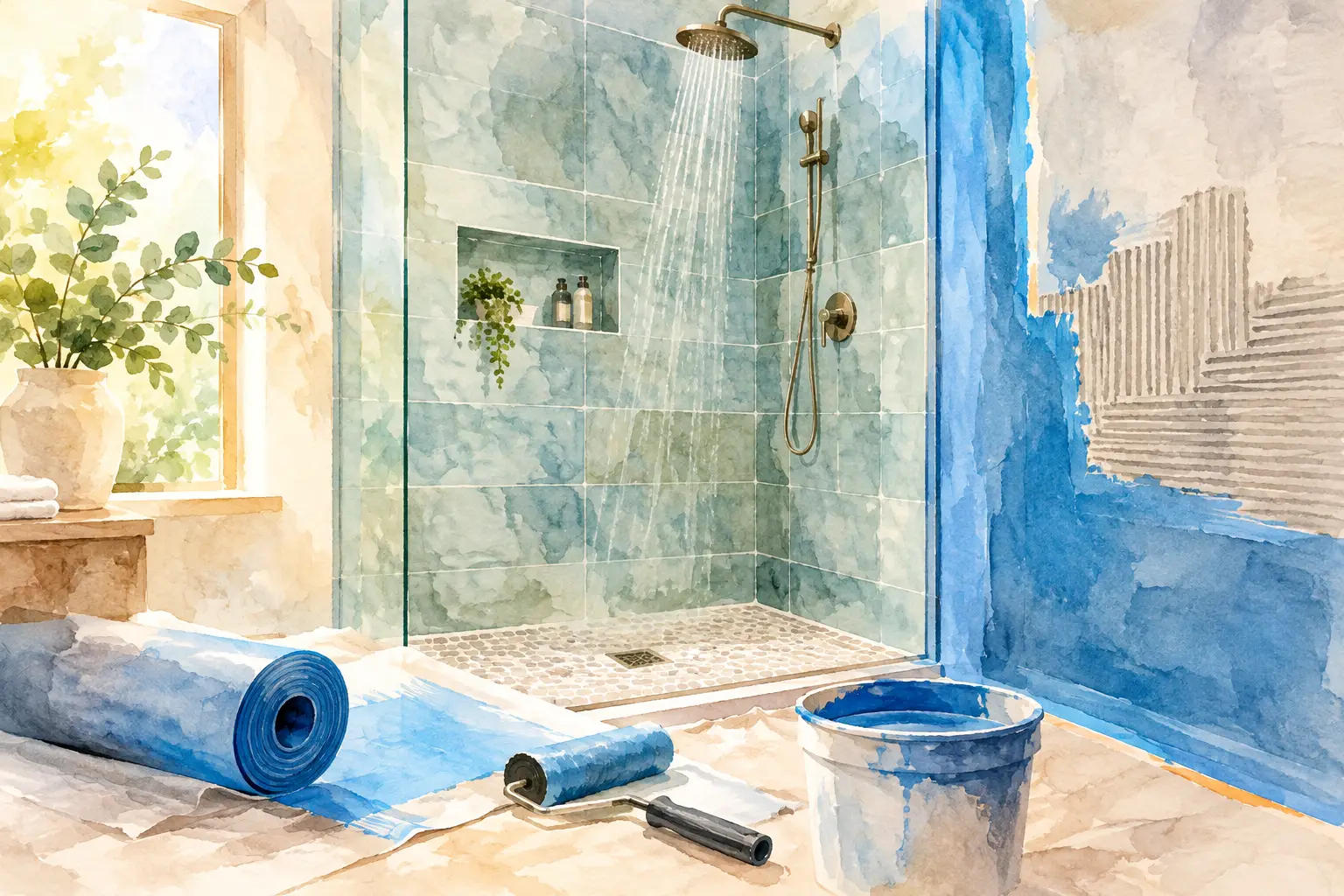
Bath and shower walls live in a demanding environment. They handle direct water, humidity, temperature changes, soap residue, body oils, and frequent cleaning. A material that is merely water-resistant may not provide the same long-term protection as a fully waterproof wall system installed with properly sealed seams.
The finish also shapes the daily experience of the room. Busy families often want fewer grout lines and less scrubbing. Homeowners planning to age in place may prioritize secure, easy-to-clean walls around a low-threshold shower or walk-in tub. Those updating a primary suite may want the visual impact of stone, tile, or a custom-designed panel without signing up for constant maintenance.
A quality installation matters as much as the material. Even a premium surface can fail if the wall behind it is not prepared correctly or the seams are not sealed with care. That is why a bath specialist should evaluate the full surround, not simply the face of the wall.
Acrylic Wall Panels: A Smart Choice for Everyday Living
Acrylic wall panels are among the most practical choices for tub and shower remodels. These durable, nonporous panels are made to resist moisture and can be installed in large sections, minimizing the number of seams where water and grime can collect.
Their biggest advantage is low maintenance. Unlike traditional tile, acrylic panels do not rely on extensive grout joints that need regular attention. Most homeowners can keep them looking fresh with a mild, nonabrasive cleaner and a soft cloth. They are available in a wide range of colors, patterns, and tile-inspired designs, so choosing easy care does not mean settling for a plain or dated look.
Acrylic is especially well suited to fast bath transformations. In many cases, a professional team can install a new wall system over a properly prepared existing surface, reducing demolition and helping keep the project on schedule. It is an excellent option for homeowners who want a polished, waterproof upgrade without weeks of disruption.
The trade-off is that acrylic does not offer the one-of-a-kind surface variation of natural stone or individually set tile. Still, for a clean, upscale look with dependable performance, it is hard to beat.
Composite and Solid-Surface Panels: Premium Style, Fewer Grout Lines
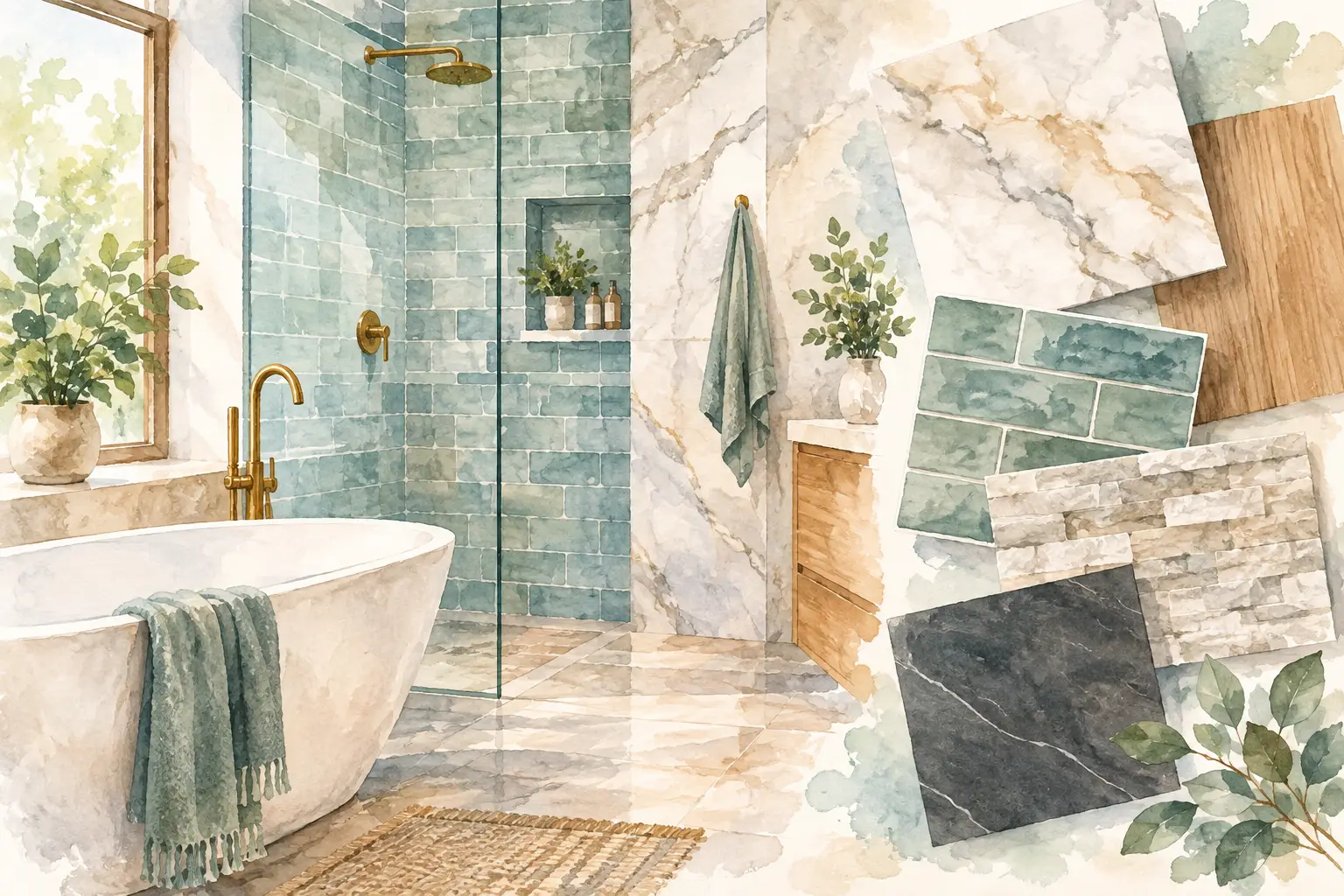
Composite wall panels and solid-surface materials offer a more substantial, tailored appearance. Depending on the product, they can mimic marble, granite, travertine, concrete, or oversized tile. Many come in large formats that create a refined, continuous look across the shower walls.
These materials appeal to homeowners who want a more elevated design statement while preserving the practical benefits of a low-maintenance surround. Their nonporous surfaces are designed to resist moisture, and the reduced number of joints makes routine cleaning much easier than a traditional tiled shower.
Solid-surface options can be an especially attractive fit for custom showers, where a coordinated wall-and-base design creates a finished, intentional look. They also work well when the goal is to make a smaller bathroom feel more open. Fewer visual breaks can make the space appear calmer and larger.
Costs vary by style, thickness, and customization. A premium panel system may cost more upfront than basic fiberglass or entry-level tile, but many homeowners find the lower maintenance and long-term appearance worth the investment.
Ceramic and Porcelain Tile: Classic Beauty With More Upkeep
Tile remains a popular choice because it offers nearly unlimited design flexibility. Ceramic and porcelain tile can create anything from a simple subway-tile shower to a dramatic patterned feature wall. Porcelain is generally denser and less absorbent than ceramic, making it a particularly strong contender for wet areas.
When installed correctly, tile can last for decades. It is also a smart choice when you have a very specific design vision, such as a custom mosaic niche, a herringbone pattern, or a particular color that is not available in wall panels.
The consideration is maintenance. Tile itself is durable, but grout needs care. Grout can discolor, develop mildew, crack, or require periodic sealing depending on the type used. More grout lines also mean more cleaning. Large-format porcelain tile reduces the number of joints and can offer a more modern look, but installation requires precision to keep the layout flat and aligned.
Tile is often best for homeowners who place design freedom at the top of their list and are comfortable with a higher-maintenance surface. For a secondary bath or a primary shower used heavily by a busy household, a grout-free or low-grout wall system may be the more convenient choice.
Natural Stone: Beautiful, but Not Always Practical
Natural stone brings depth and character that manufactured materials work hard to imitate. Marble, travertine, slate, and granite can turn a primary bath into a true retreat, with unique veining and natural variation in every piece.
However, stone demands a realistic maintenance plan. Many natural stones are porous and require sealing to help prevent staining and moisture absorption. Some are sensitive to acidic or abrasive cleaners, so the cleaning routine must be more deliberate. Stone is also typically one of the more expensive options once material, preparation, and skilled installation are considered.
For a lightly used showpiece bath, natural stone can be a stunning choice. For a shower used by children, guests, or multiple family members every day, a stone-look composite panel or porcelain tile may deliver a similar visual effect with less worry.
Fiberglass: Budget-Friendly, With Design Limits
Fiberglass surrounds have long been used in standard tub and shower installations. They are lightweight, water-resistant, and generally affordable, making them a reasonable option for a straightforward update on a tight budget.
The drawback is that fiberglass can feel less substantial than acrylic or solid-surface materials. Over time, lower-quality units may dull, flex, scratch, or show wear more noticeably. Design choices can also be limited compared with the broad selection of modern panel systems and tile looks available today.
Fiberglass can make sense for certain rental properties, guest baths, or projects where cost is the primary concern. If you are remodeling a bathroom you plan to enjoy for many years, upgrading to a thicker acrylic or composite wall solution may provide a more polished result and better long-term satisfaction.
Choosing Materials for a Tub-to-Shower Conversion
A tub-to-shower conversion is more than a change in layout. It is an opportunity to make the room safer, easier to maintain, and more suited to your routines. Wall materials play a major role in that outcome.
For most conversions, large acrylic or composite panels are an excellent match. They provide a waterproof surface with minimal grout, complement low-entry shower bases, and support additions such as built-in shelving, corner caddies, and easy-to-reach storage. A coordinated wall system can also help the new shower feel intentional rather than like a replacement fixture placed into an old space.
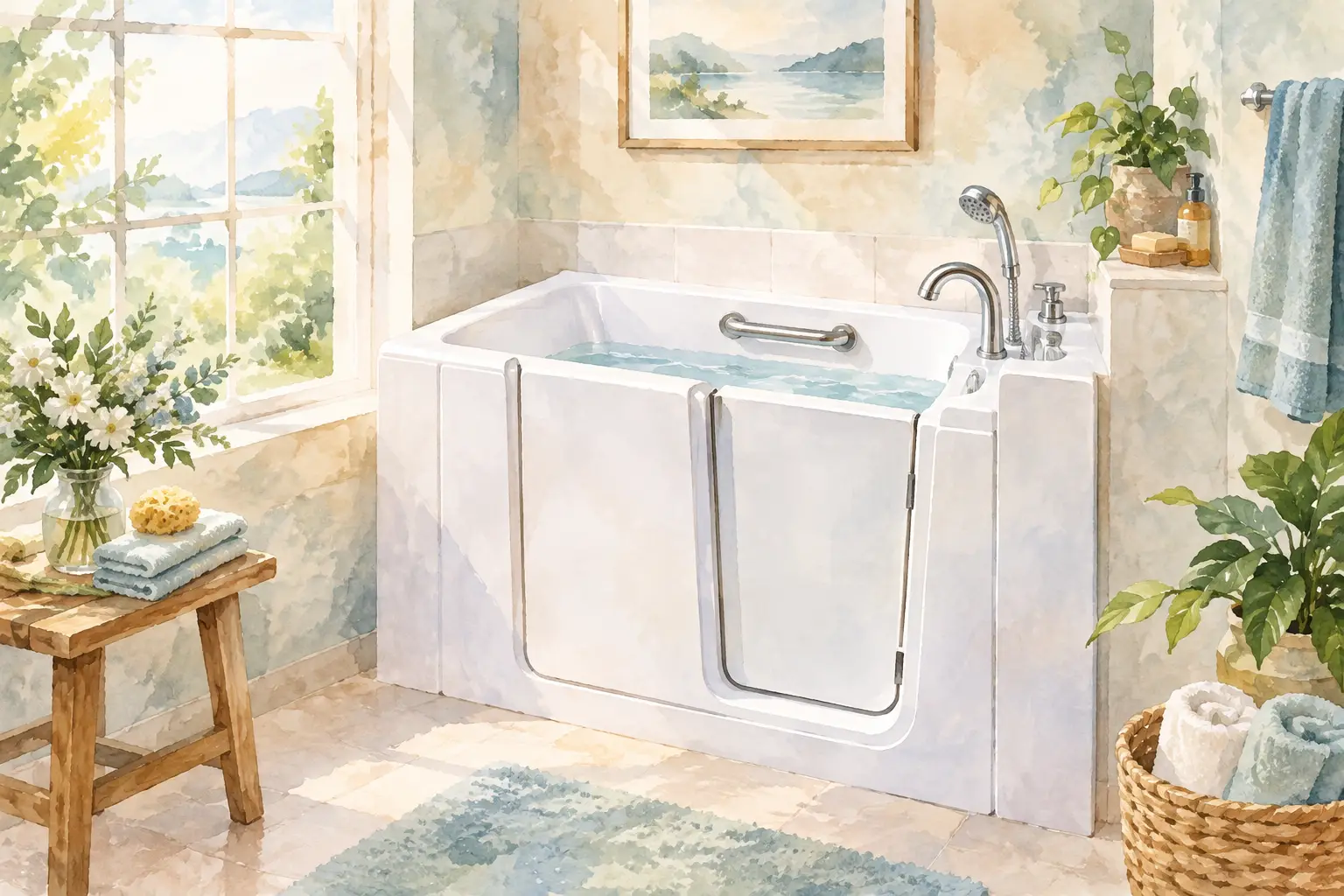
If accessibility is a priority, avoid choosing solely by appearance. Select materials that are easy to clean and pair well with thoughtfully placed safety features. A beautiful bathroom should also feel comfortable and confident to use every day.
Make the Material Choice Part of the Whole Design
The best bath wall materials are the ones that support the way you want to live in your home. Think about who uses the space, how much cleaning you are willing to do, the style of the rest of the bathroom, and how long you expect the remodel to serve you.
At Elite Bath Solutions, the goal is to help homeowners choose premium wall systems that look exceptional without adding unnecessary upkeep. A professional consultation can bring the options into focus, from the warmth of a stone-inspired panel to the timeless detail of porcelain tile.
Your bathroom should not ask for more work every week. Choose walls that protect the space behind them, simplify your routine, and make every shower or bath feel like a meaningful upgrade to your home.