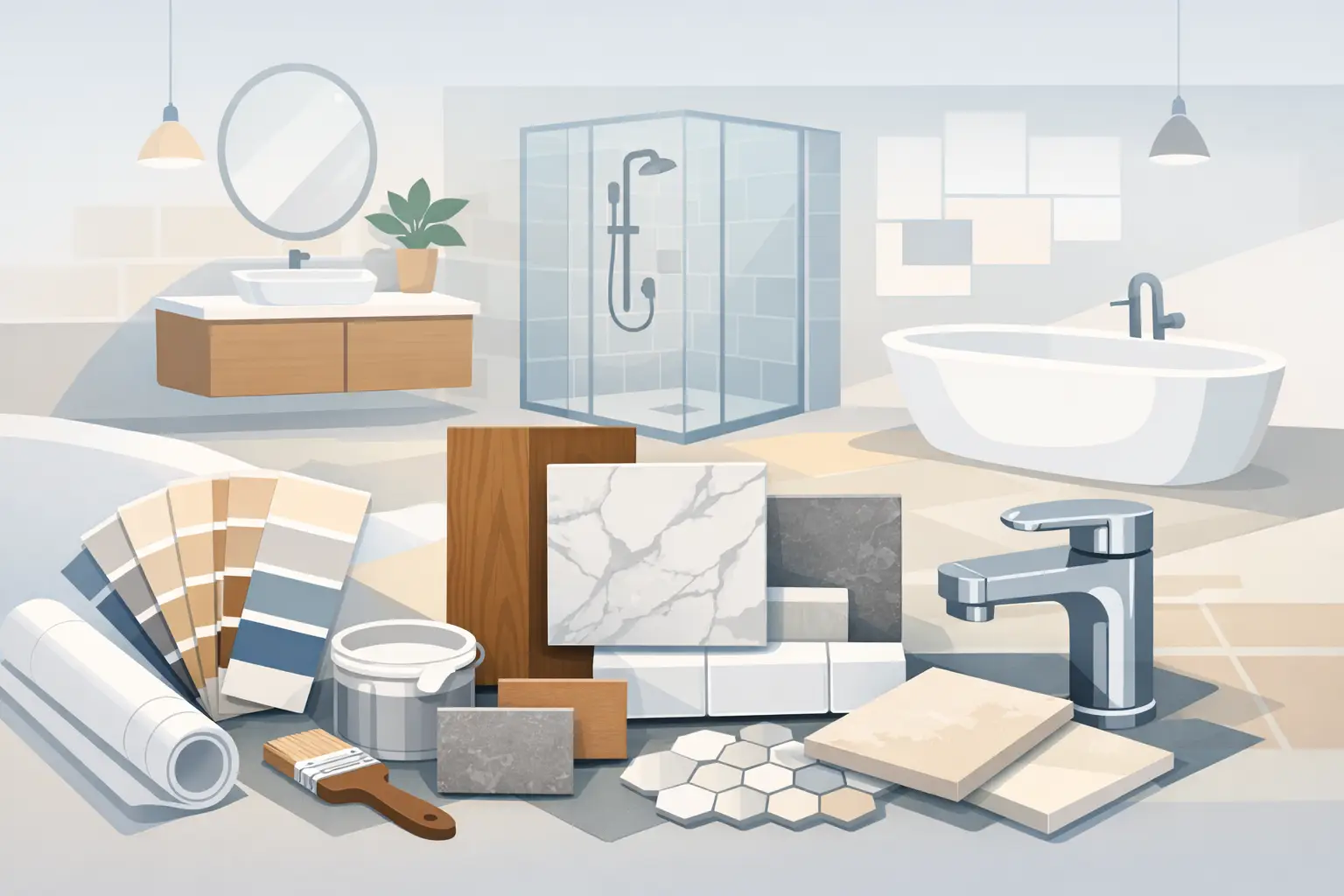
A bathroom can look beautiful on day one and still become a daily frustration if the materials are wrong. The glossy tile that shows every water spot, the grout that stains too quickly, the vanity finish that swells from humidity – these are the details homeowners remember long after the remodel is done. If you’re wondering how to choose bathroom remodel materials, the best place to start is not with color. It is with how you want the space to perform every single day.
The right materials should do more than match your design inspiration. They need to stand up to moisture, heat, cleaning products, heavy use, and the pace of your household. In many Atlanta-area homes, they also need to handle years of wear without turning maintenance into a weekend project.
How to Choose Bathroom Remodel Materials Based on Real Life
A guest bath and a primary bath do not need the same material strategy. Neither does a bathroom used by young kids versus one designed for aging in place. Before selecting surfaces, think about who uses the space, how often, and what matters most – low maintenance, a luxury look, safer access, or long-term resale value.
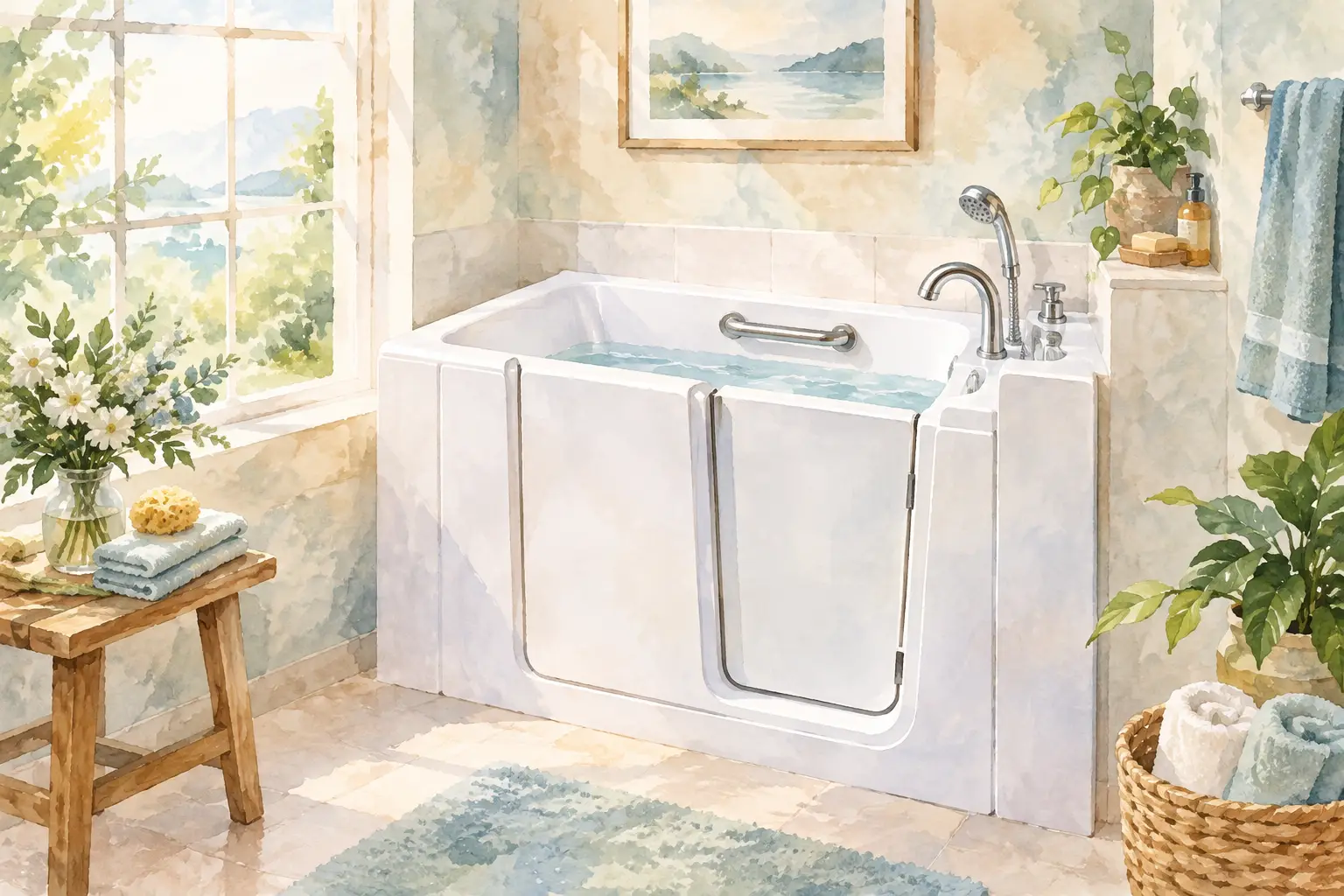
If you have a busy family bathroom, durability and easy cleaning usually matter more than highly delicate finishes. If you are remodeling a primary bath to feel more like a retreat, you may want a more elevated mix of textures and colors, but you still need materials that can handle moisture. If safety is a priority, slip resistance, easy-entry shower design, and grab bar compatibility deserve just as much attention as appearance.
This is where many homeowners save themselves money and regret. A material can be attractive and still be a poor fit for the way your bathroom actually functions.
Start With the Wettest Areas First
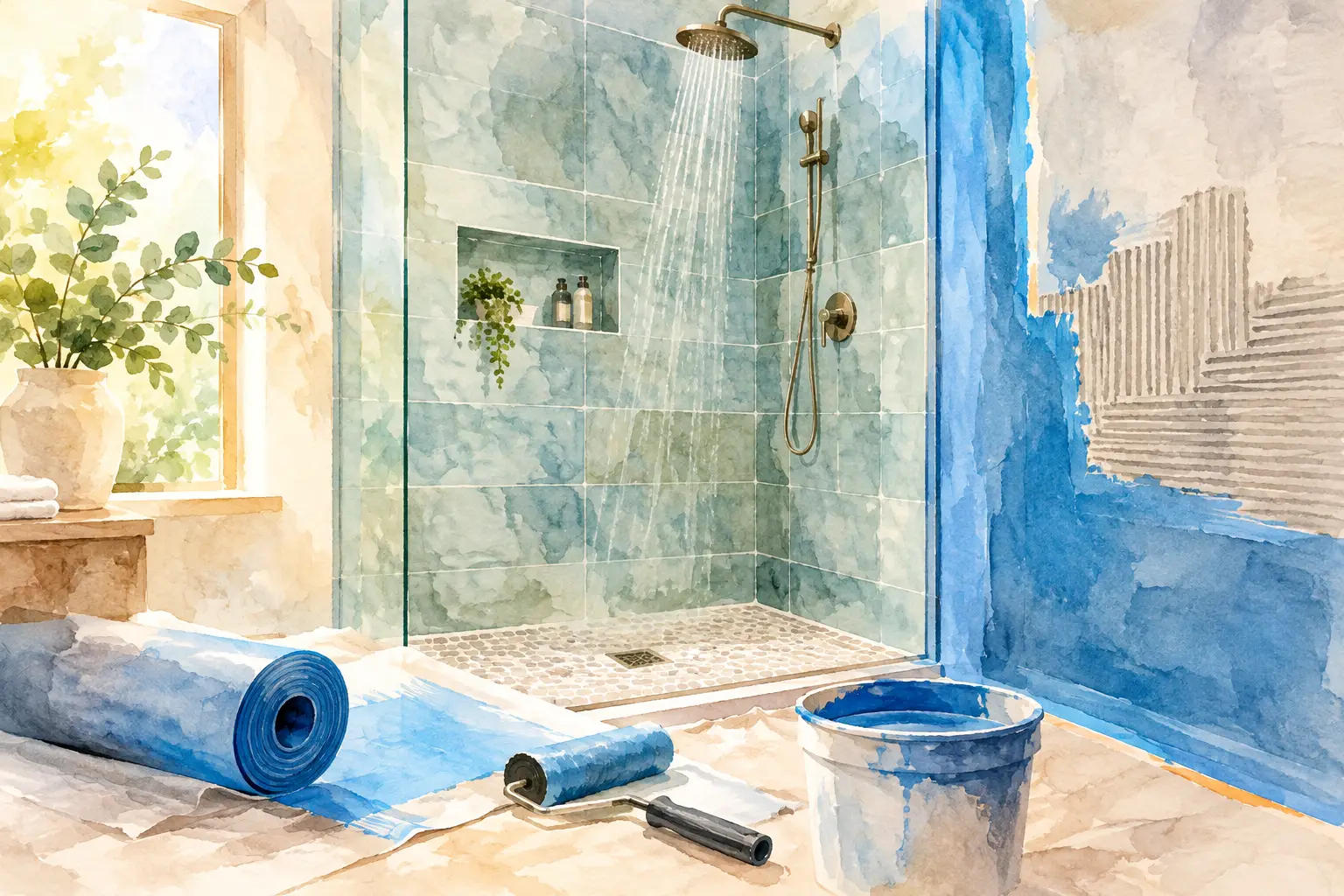
The tub and shower area puts materials under the most stress, so this is where smart choices matter most. Wall surrounds, shower pans, and enclosure materials need to resist water, clean up easily, and hold their finish over time.
Tile remains a popular option because it offers design flexibility, but tile also comes with grout lines that need regular care. For homeowners who want a cleaner look with less maintenance, premium wall systems and solid-surface options often make more sense. They can deliver a polished, upscale appearance without the same level of upkeep.
For shower floors, traction matters just as much as style. A sleek surface that becomes slippery when wet can create a safety issue. Textured finishes or smaller-format surfaces with more grip are often the better choice, especially for households with children, older adults, or anyone with mobility concerns.
Glass is another place where appearance and maintenance meet. Clear glass can make a bathroom feel larger and brighter, but it also tends to show water spots faster. Frosted or treated glass can reduce the amount of daily wiping needed. It depends on whether your priority is the most open visual effect or the easiest upkeep.
Wall Surrounds, Tile, and Solid Surfaces
If your goal is a fast, clean transformation with minimal maintenance, large-panel wall surrounds are often one of the strongest choices. They reduce grout, resist moisture, and simplify cleaning. That makes them especially appealing in tub-to-shower conversions and modern bath updates.
Tile offers more pattern and texture options, but it asks more from the homeowner over time. Natural stone can look impressive, yet it usually requires more care than engineered or acrylic-based alternatives. Porcelain and ceramic are more forgiving, which is why they remain common choices for bathroom walls and floors.
Choose Flooring for Water Resistance and Comfort
Bathroom flooring needs to handle splashes, humidity, and frequent cleaning. It also needs to feel stable and safe underfoot. That combination rules out a lot of materials that may work elsewhere in the home.
Porcelain tile is one of the most reliable choices because it is durable, water-resistant, and available in styles that mimic stone or wood. Luxury vinyl can also work well in some bathrooms because it is softer underfoot and easier on the budget, though quality varies. In a premium remodel, many homeowners prefer porcelain because it delivers a more upscale finish and long-term confidence.
Natural stone has undeniable appeal, but it is not always the easiest choice for a high-use bathroom. Some stones require sealing and more careful cleaning. If you love the look, ask whether you are comfortable with the maintenance that comes with it.
Heated flooring can also affect your material decision. Certain surfaces pair better with radiant heat than others. If comfort is part of your vision, bring that up early in the design process so your flooring choice supports it.
Vanity and Countertop Materials Should Work Together
Vanities take daily abuse from steam, splashes, cosmetics, and constant opening and closing. A bathroom vanity should look refined, but it also needs to be built for a humid environment. Materials with strong moisture resistance and durable finishes tend to perform best.
Solid wood can be beautiful, but not all wood vanities are created equal. Construction quality and finish protection make a big difference. Engineered options can sometimes provide better stability in high-moisture spaces. The key is choosing a vanity designed specifically for bathrooms rather than repurposing furniture that may not hold up.
For countertops, quartz is often a standout choice. It offers a clean, upscale look and resists staining better than many natural materials. Granite can also perform well, though it may require more maintenance depending on the slab. Laminate has improved visually over the years, but homeowners looking for a more premium result often prefer quartz for both style and durability.
Storage Matters More Than Most Homeowners Expect
Material choice is not only about surface performance. It also affects how organized and usable the bathroom feels. If your remodel includes a vanity upgrade, consider whether drawer interiors, hardware quality, and cabinet finishes will hold up to daily use. A beautiful vanity loses its appeal quickly if it chips, warps, or does not provide enough storage to keep the room looking tidy.
Don’t Overlook Fixtures and Hardware
Faucets, showerheads, handles, and hardware may seem like finishing touches, but they play a major role in the overall feel of the room. They also affect durability and cleaning.
Brushed finishes tend to hide fingerprints and water spots better than high-shine options. Matte black can create a bold, modern look, but it may show residue more readily depending on water quality. Chrome remains a classic choice because it works with many styles and is widely available. Nickel and warm metallic finishes can soften the room and give it a more custom feel.
This is also where function should lead. If accessibility is part of the plan, lever handles, handheld showerheads, and thoughtfully placed controls can make the bathroom more comfortable and safer to use.
How to Balance Style, Budget, and Long-Term Value
When homeowners think about how to choose bathroom remodel materials, they often assume every premium-looking finish will stretch the budget too far. In reality, the smartest approach is to invest where performance matters most and simplify where it does not.
Spend more on the surfaces that face constant water exposure and daily wear. That usually means the shower system, flooring, and countertop deserve priority. Decorative accents can be more flexible. You do not need the most expensive material in every corner to create a polished, high-end result.
It also helps to think beyond upfront price. A lower-cost material that stains, chips, or demands frequent maintenance may cost more in frustration and replacement later. Better materials often pay off through easier cleaning, longer life, and stronger resale appeal.
A specialized bathroom remodeler can help you compare those trade-offs without making the process feel overwhelming. Companies like Elite Bath Solutions focus on products built for wet spaces, fast installations, and long-term performance, which gives homeowners a clearer path to materials that look great and work hard.
Match Materials to the Bathroom You Want to Live With
The best remodels are not built around trend boards alone. They are built around real routines. If you want a bathroom that feels like a spa oasis but still cleans up easily, choose surfaces that limit grout and resist water spots. If you want to age in place comfortably, prioritize slip-resistant flooring, low-threshold shower entry, and durable grab bar support. If resale matters, aim for timeless finishes with proven durability instead of highly specific looks that may date quickly.
A beautiful bathroom should still feel beautiful after busy mornings, long showers, and years of regular use. That is the standard your materials should meet.
Choosing bathroom remodel materials gets easier once you stop asking what looks best in a showroom and start asking what will serve your home best every day. Pick materials that give you confidence, comfort, and less to worry about – and your remodel will keep paying you back long after installation day.