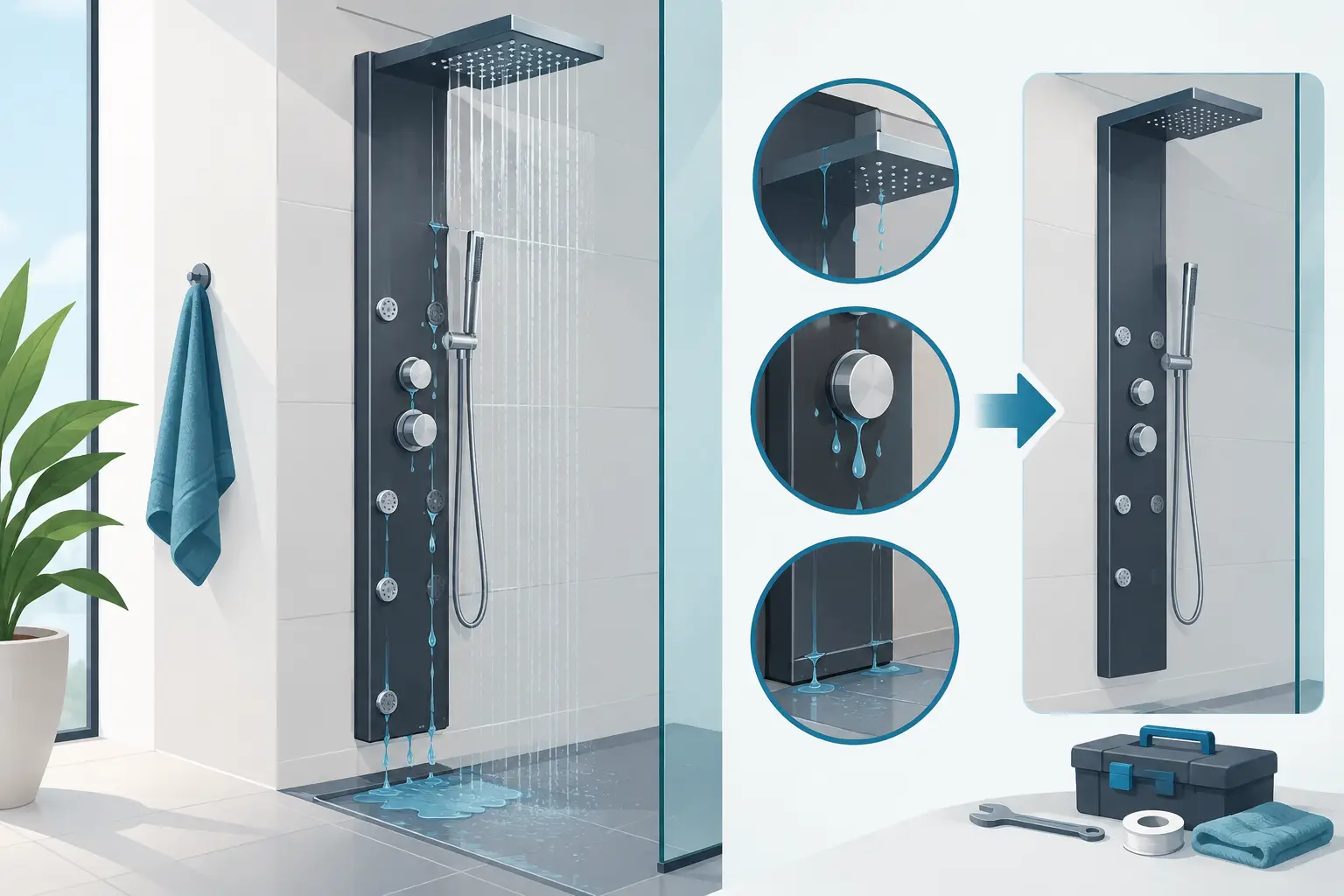
A shower leak rarely begins with a puddle across the bathroom floor. More often, it starts quietly: a darkened grout line, peeling caulk at the tub edge, a loose shower door seal, or a musty smell that lingers after the room has dried. Learning how to prevent shower leaks means catching those small warning signs before water reaches the wall framing, subfloor, or rooms below.
For homeowners in Woodstock and across North Metro Atlanta, prevention is especially valuable. Bathroom moisture is unavoidable, but damage from moisture is not. The right routine, quality materials, and a properly built shower can protect your home while keeping your space beautiful, easy to clean, and ready for everyday use.
How to Prevent Shower Leaks at the Source
The most effective way to stop a leak is to understand where shower water is supposed to go. Every drop should move from the shower walls and floor toward the drain, while waterproof layers behind the finished surface protect the structure of your home. If any part of that system fails, water can find a path into places it does not belong.
Surface maintenance matters, but it cannot compensate for a shower that was installed without dependable waterproofing. Caulk, grout, doors, drains, wall panels, and the shower pan all have a role to play. A good prevention plan covers each one.
Watch the joints where materials meet
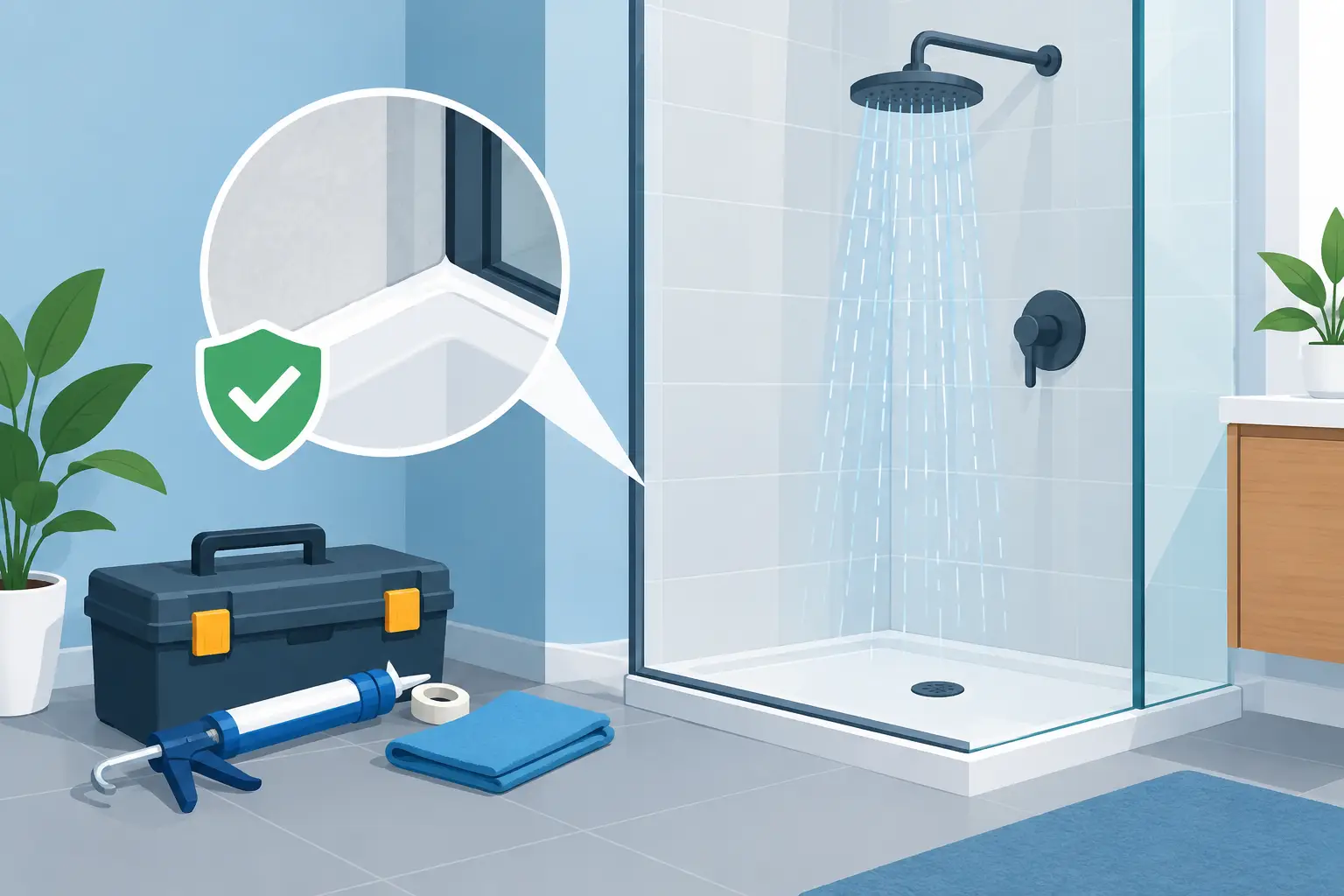
The corners of a shower, the line where the wall meets the floor, and the edge where a tub meets the surround are common leak points. These areas shift slightly as the home settles and materials expand or contract with temperature changes. Grout is hard and can crack under that movement. Flexible, mildew-resistant silicone caulk is designed to handle it.
Inspect these joints every few months, especially if your shower is used by a busy family. Look for gaps, discoloration, shrinkage, peeling, or sections that feel loose. If the caulk has failed, remove the old material completely, clean and dry the joint, then apply a smooth new bead. Caulk applied over damp surfaces or old caulk usually will not hold for long.
Do not confuse a stained caulk line with a leak automatically. Sometimes it is simply mildew. Still, staining that returns quickly, soft drywall outside the shower, or a persistent musty odor deserves a closer look.
Keep grout in good condition, but know its limits
Grout helps create a finished, stable tile surface, yet it is not the primary waterproof barrier behind a tiled shower. It is porous to varying degrees, and cracked or missing grout can allow more water to travel behind tile than it should.
Clean grout with nonabrasive products and a soft brush. Harsh acids and aggressive scrubbing can weaken the joints over time. Repair cracks or missing sections promptly, and consider resealing cement-based grout on the schedule recommended for your specific product. Epoxy grout is more stain- and moisture-resistant, but even it does not replace professional waterproofing behind the walls.
If cracks keep coming back, do not keep patching the same spot without investigating. Repeated movement can point to a loose tile, a settling issue, or a problem beneath the finished surface.
Maintain the Shower Door, Curtain, and Drain
Not every shower leak comes through the walls. Water can escape past a door, around a curtain, or over a clogged drain and create the same kind of costly damage.
A frameless glass shower door adds a clean, spa-inspired look, but its seals and sweep need regular attention. Wipe the bottom sweep clean, check that the door closes evenly, and replace brittle or torn vinyl seals. If water consistently escapes at the hinge side or threshold, the door may need adjustment rather than another bead of caulk.
For tub showers, make sure the curtain liner falls inside the tub basin when the shower is running. A liner that billows outward can send a surprising amount of water onto the floor. If you use a glass tub enclosure, inspect its bottom track and side seals for buildup or gaps.
A slow drain is another issue worth addressing early. Standing water puts extra pressure on the shower pan, finds low spots in failing grout, and makes the space harder to keep clean. Remove visible hair regularly, use a drain screen, and avoid relying on harsh chemical drain cleaners. They can damage certain plumbing components and may not solve the underlying blockage.
Control Moisture After Every Shower
A well-built shower should handle daily water exposure, but reducing lingering moisture makes every surface last longer. Turn on the bathroom exhaust fan before showering and leave it running for at least 20 minutes afterward. If the room has no fan or the fan does not clear steam effectively, consider having ventilation evaluated.
After showering, use a squeegee on glass and wall surfaces or give them a quick wipe-down. This small habit limits soap scum, reduces mildew growth, and makes it easier to notice a new crack or failed seal. Keep bath mats dry and pick them up periodically to check the floor underneath. A damp mat can hide water escaping from a shower long after the shower itself has drained.
Ventilation is not a substitute for waterproof construction, but it is one of the simplest ways to protect caulk, paint, cabinetry, and drywall from the humidity that causes wear over time.
Know When a Leak Is More Than a Maintenance Issue
Some warning signs call for more than a weekend caulk repair. A professional assessment is wise when you see bubbling paint on the wall next to the shower, loose tile, warped flooring, water stains on a ceiling below the bathroom, recurring mold, or a shower floor that feels soft or uneven.
These symptoms can indicate that water has reached the materials behind the shower. Waiting may allow damage to spread into framing, insulation, or adjacent rooms. The visible repair can become much larger than the original issue.
It also depends on the age and construction of your bathroom. An older tile shower may have a worn pan liner or outdated wall system, while a newer shower with isolated damage may only need targeted repair. A qualified bath specialist can help distinguish between a surface problem and a failing shower assembly, so you are not spending money on temporary fixes that miss the real cause.
Choose Waterproof Materials for a Lasting Remodel
If your shower is due for an upgrade, leak prevention should be part of the design conversation from the beginning. A beautiful new shower is only as dependable as the system behind it.
Custom wall panels are a strong option for homeowners who want fewer grout lines and less routine maintenance. Because the panels create broad, continuous surfaces, there are fewer joints where moisture and mildew can collect. Quality shower bases, properly integrated drains, and professionally sealed transitions are equally important.
Tile can be an excellent choice when installed with a complete waterproofing system, careful slope to the drain, and the right materials at corners and penetrations. The trade-off is maintenance. Tile offers extensive design flexibility, but it generally requires more attention to grout and sealant than a low-maintenance wall surround.
For aging homeowners or anyone planning to stay in their home for years, a low-threshold shower can improve accessibility without sacrificing protection. The key is correct floor pitch, a well-designed drain, and waterproof detailing that accounts for the transition from shower to bathroom floor. This is not an area to leave to guesswork.
At Elite Bath Solutions, specialized bath remodeling focuses on these details as part of a polished, long-lasting transformation. Premium materials and professional installation help create a shower that feels like a personal retreat without adding unnecessary maintenance to your routine.
A Simple Inspection Routine That Protects Your Home
You do not need to inspect your bathroom every day. A short monthly check can make a meaningful difference. Look along caulk lines and corners, inspect the shower door sweep or curtain position, confirm the drain is flowing freely, and check nearby walls and floors for changes in color, texture, or softness.
Twice a year, take a closer look at grout, exterior shower seals, and the ceiling below the bathroom if there is one. After any plumbing repair, door adjustment, or remodeling work, run the shower and watch carefully for water leaving the enclosure.
The goal is not to worry about every water spot. It is to act while repairs are still straightforward. A fresh seal, a corrected door sweep, or a professionally resolved drain issue is far easier to manage than hidden water damage.
Your shower should be one of the most relaxing spaces in your home, not a source of uncertainty behind the walls. Give small changes your attention early, choose materials that match the maintenance level you want, and bring in a bath professional when the signs point beyond the surface. That approach protects both the comfort you enjoy today and the home you have worked hard to build.