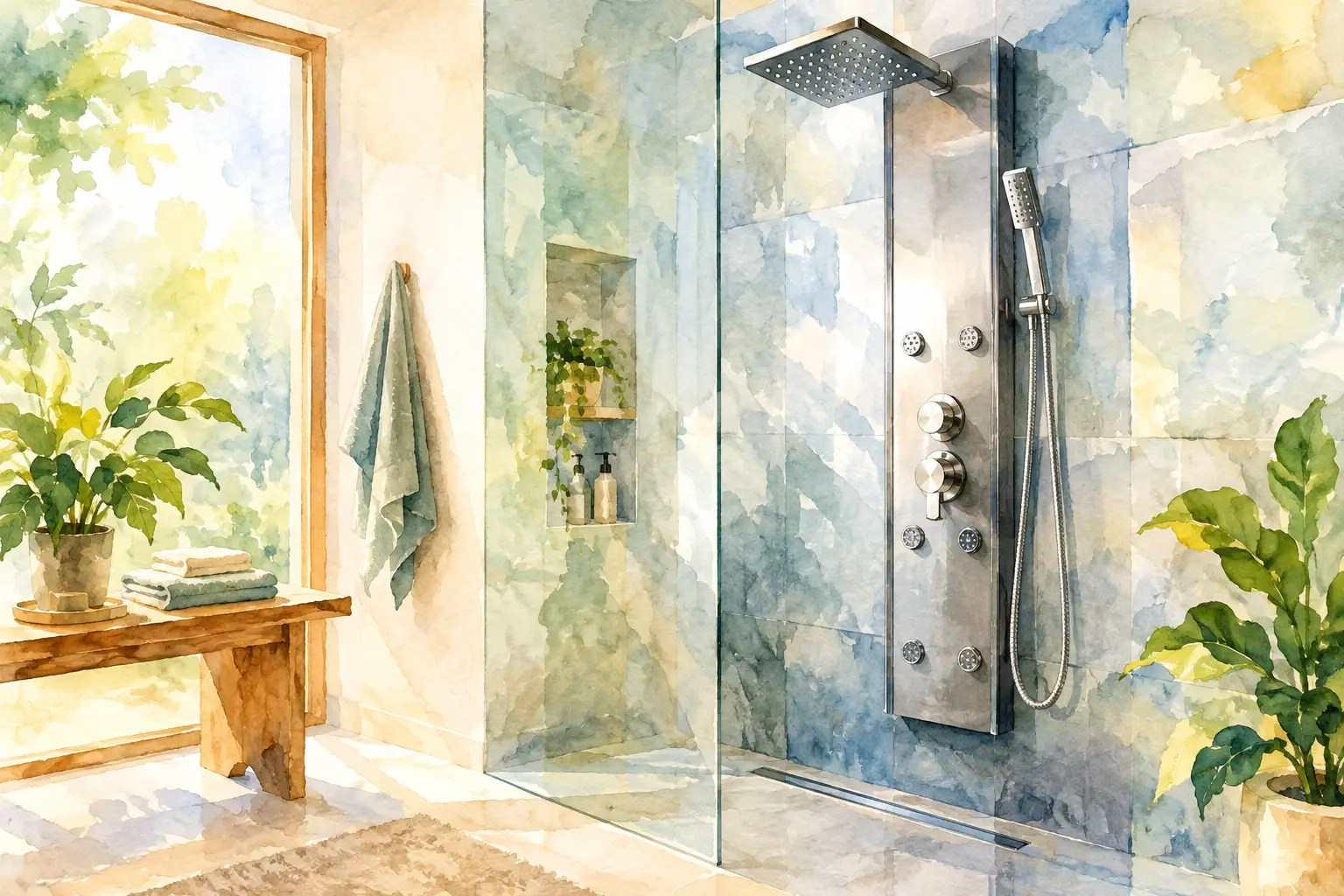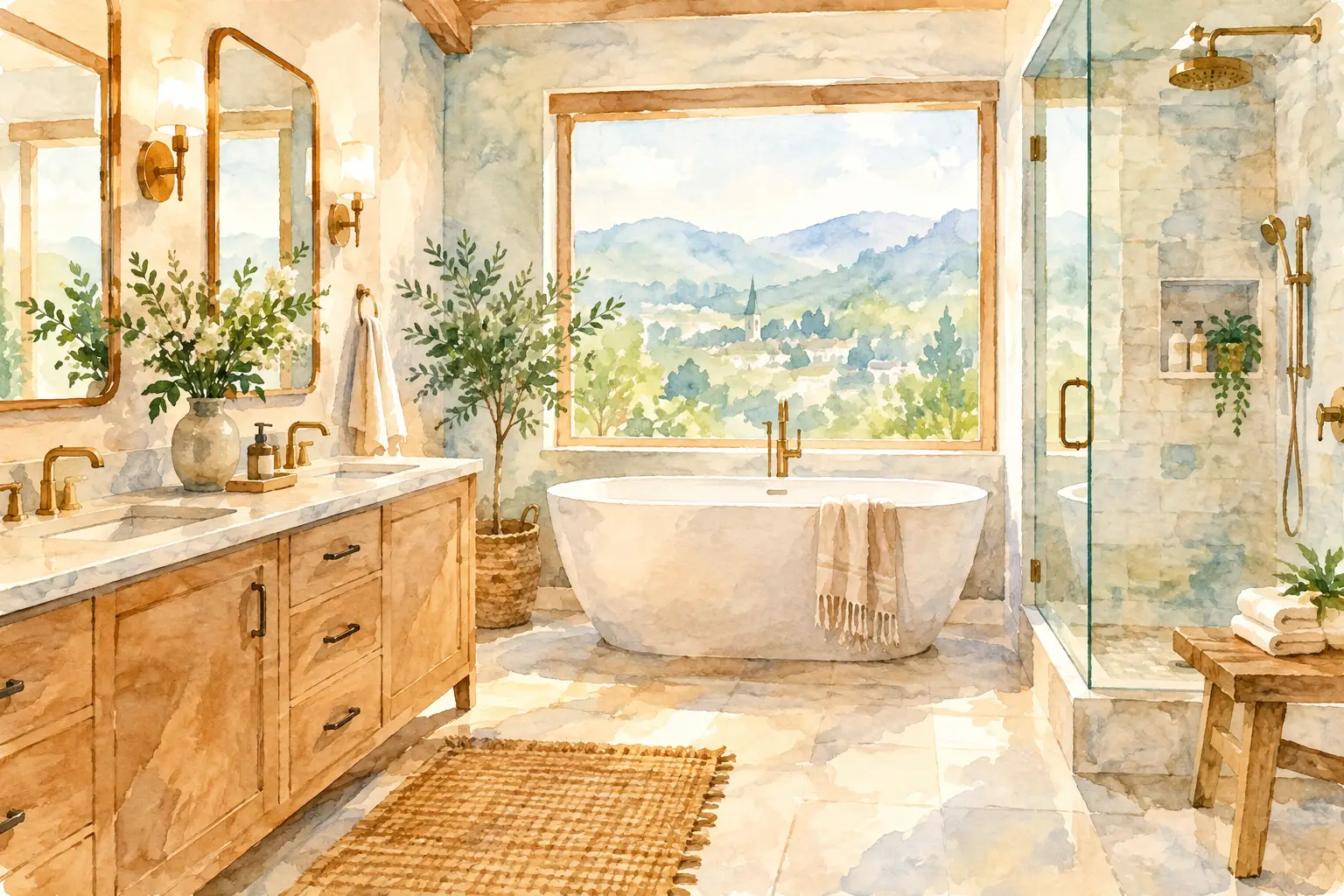
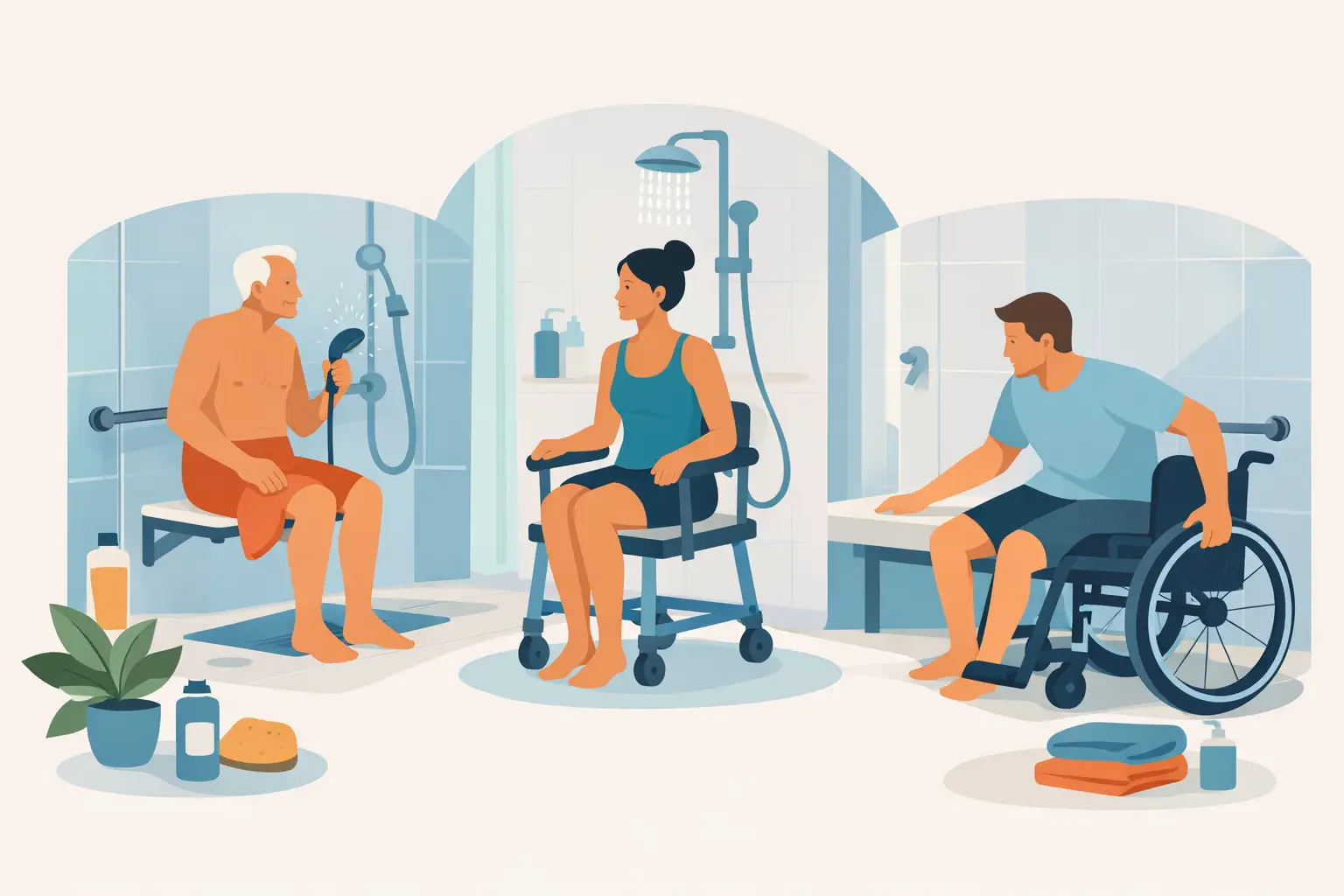
The moment standing through a shower starts to feel tiring, uncertain, or simply less comfortable than it used to be, the bathroom needs a better answer. Accessible shower seating gives homeowners a secure place to rest without giving up the clean, modern shower they want. Done well, it is not a medical-looking add-on. It is a thoughtful feature that makes every shower feel more comfortable, more confident, and more enjoyable.
For many Woodstock and North Metro Atlanta homeowners, a shower seat is part of a larger plan: replacing a hard-to-clean tub, creating an easier entry, or making a long-term home more practical without sacrificing style. The right choice depends on who uses the bathroom, how much space is available, and whether the goal is daily comfort, future planning, or both.
Why Accessible Shower Seating Changes the Experience
A shower can be one of the most demanding places in a home. Wet surfaces, limited room to move, and the need to stand for several minutes create a challenge for people with reduced mobility, chronic pain, balance concerns, or simple fatigue. A properly planned seat reduces that strain by giving the user a stable place to sit while bathing, shaving, washing their feet, or taking a moment to rest.
The benefit is not limited to aging homeowners. A built-in bench can make showering easier after surgery or injury, during pregnancy, or after a demanding day. It also gives families a practical feature that can serve different needs over time. Instead of treating accessibility as a compromise, homeowners can view it as a way to make the bathroom work harder for everyone.
Comfort also supports confidence. When a shower layout includes a seat, supportive grab bars, slip-resistant flooring, and easy-to-reach controls, users can move through their routine with fewer awkward movements. That sense of security matters, especially when a homeowner wants to remain in the home they love for years to come.
Choosing Accessible Shower Seating for Your Space
The best shower seat is not always the largest one. It needs to suit the shower’s dimensions, the user’s mobility needs, and the way the space will be used every day. A remodeling consultation should look at the whole bathing area rather than placing a seat into an existing layout as an afterthought.
Built-In Benches Offer Lasting Comfort
A built-in bench is a popular choice for homeowners planning a tub-to-shower conversion or complete shower remodel. It is integrated into the shower design, finished in materials that coordinate with the surrounding walls, and ready whenever it is needed. With the right material and installation, it can feel like a natural part of a polished, spa-inspired shower.
Built-in seating works especially well in larger walk-in showers. It provides a broad, dependable resting surface and can also be useful for setting down bath products. The trade-off is footprint. A permanent bench takes up shower space, so it must be designed carefully to preserve comfortable standing and turning room.
Fold-Down Seats Preserve Open Floor Space
For a more compact shower, a wall-mounted fold-down seat can be an excellent solution. It stays out of the way when not in use and lowers when needed, helping the shower feel more open for multiple household members. This option can be especially appealing when one person needs a seat now while others prefer a clear shower floor.
The wall behind a fold-down seat must have proper structural support. A seat should never be selected based on appearance alone. Its mounting, weight rating, placement, and surrounding grab bars all deserve professional attention. When installed correctly, a fold-down seat can provide convenience without making a smaller shower feel crowded.
Portable Chairs Have a Place, but Not Every Place
Portable shower chairs are flexible and often useful as a short-term solution. They can be moved, removed, and adjusted more easily than a permanent feature. However, they may shift on wet surfaces, take up valuable floor space, and can create an obstacle in a tight shower.
For a homeowner investing in a long-term remodel, permanent accessible shower seating is often the more refined option. It can be designed into the shower from the start and paired with the safety features that make the entire space easier to use. Portable seating may still make sense for temporary recovery needs or bathrooms that are not ready for a full renovation.
The Details That Make a Shower Seat Safer
A seat is only one part of an accessible shower. The surrounding details determine whether the space feels genuinely easy to use. During the design process, consider how a person enters the shower, sits down, reaches fixtures, and stands back up.
A low-threshold or barrier-free entry can reduce the need to step over a high tub wall or shower curb. Slip-resistant flooring adds traction underfoot, while strategically placed grab bars provide support during transfers and movement. Handheld showerheads are another valuable addition because they allow a seated user to direct water where it is needed without stretching or standing.
Fixture placement matters, too. Controls should be reachable from the seat or from the shower entry, helping the user avoid stepping into cold water or leaning across a wet floor. Storage should be close enough for shampoo, soap, and towels to be within easy reach. These are simple details, but they can turn a beautiful shower into a bathroom that truly supports daily living.
For homeowners with specific mobility needs, measurements and placement should be personalized. A seat that works well for one person may be too deep, too narrow, or positioned poorly for another. This is where a specialist’s guidance is valuable. The goal is not to force a standard layout into every home. The goal is to create a shower that feels natural for the people who use it.
Style Does Not Have to Take a Back Seat
Accessibility has come a long way from the institutional bathroom designs many homeowners picture. Modern shower seating can be clean-lined, coordinated, and quietly luxurious. A built-in bench can match the shower walls, contrast with them for visual interest, or blend into a custom surround for a more cohesive finish.
The same applies to grab bars and fixtures. Thoughtful finishes and placement help these features complement the overall design rather than dominate it. A shower can have the convenience of accessible features while still delivering the bright, updated look that makes a remodel feel exciting.
Low-maintenance materials are particularly valuable around a shower seat. Smooth, durable wall surrounds are easier to clean than heavily grouted surfaces, and waterproof installation protects the structure behind the visible finish. That means homeowners spend less time scrubbing and more time enjoying a bathroom designed for comfort.
When Is the Right Time to Add a Shower Seat?
The best time to add seating is usually during a planned shower replacement, bath conversion, or full bathroom makeover. Incorporating it at the beginning allows the installer to account for layout, backing, drainage, wall materials, and fixture placement. It also avoids the frustration of trying to retrofit a solution into a shower that was never designed for it.
That does not mean a homeowner must wait for an urgent need. In fact, planning ahead often leads to better design choices and a calmer decision-making process. A shower seat can be a smart investment for homeowners who want to age comfortably in place, welcome visiting relatives, or make daily routines easier now.
At Elite Bath Solutions, the conversation begins with how you want your bathroom to feel and function. Some homeowners prioritize a spacious built-in bench. Others need a compact fold-down option, a low-entry shower, or a complete tub-to-shower conversion that combines safety with a fresh new look. The strongest solution is the one that fits your home, your routines, and your future plans.
A well-designed shower seat is a small feature with a meaningful impact. It can bring relief to a tiring routine, help a loved one feel more independent, and make a renovated bathroom more welcoming every day. If your shower no longer feels as comfortable or practical as it should, a personalized design conversation can help turn that daily concern into a lasting source of confidence.