A bathroom renovation can feel exciting right up until you are trying to choose a shower style, flooring, fixtures, storage, and a contractor at the same time. A clear bathroom renovation checklist turns that pressure into a plan. It helps you focus on what will improve your everyday routine, protect your home from water damage, and make the finished space feel like a personal retreat rather than another unfinished project.
For homeowners in Woodstock and across North Metro Atlanta, the best renovation decisions usually begin with one question: what is not working in this bathroom now? The answer may be a stained tub, a cramped shower, slippery floors, difficult cleaning, or a layout that no longer suits your family. Start there, then build a renovation around lasting comfort and dependable performance.
Start Your Bathroom Renovation Checklist With Priorities
Before looking at colors or fixtures, write down the problems you want the remodel to solve. A beautiful bathroom is valuable, but beauty should work alongside safety, convenience, and durability. A family bath may need more storage and an easier-to-clean tub surround. A primary bath may call for a spacious custom shower and a more relaxing design. For an aging homeowner, low-entry access, secure grab bars, and a comfortable bathing experience may be the priority.
Think about how long you expect to stay in the home, too. If this is your long-term home, choosing materials that reduce upkeep and support accessibility can be a wise investment. If you expect to sell in a few years, a modern, clean bath can improve buyer appeal. The right choice depends on your goals, not a one-size-fits-all trend.
Use this first-stage checklist to define the project:
- Identify what you dislike about the current bathroom, from poor lighting to an unused tub.
- Decide who uses the space and what each person needs daily.
- Separate must-have improvements from nice-to-have upgrades.
- Set a realistic comfort range for your investment and financing plan.
- Choose a target timeline, especially if you have guests, travel, or family events ahead.
This clarity makes every later decision easier. It also gives your remodeling specialist a stronger starting point for recommendations that match your home and lifestyle.
Choose the Right Scope for the Space
Not every bathroom needs a full tear-out. In many homes, the largest improvement comes from updating the tub or shower area, where water exposure, visual wear, and safety concerns are most noticeable. A bath conversion can replace an old tub with a more open, modern shower. A replacement tub or shower can refresh the room without expanding the project into walls, flooring, and cabinetry that are still in good condition.
A full bathroom makeover makes sense when several elements have reached the end of their useful life or the room no longer functions well. This may include an outdated vanity, poor storage, worn flooring, ineffective lighting, and a bathing area that is difficult to enter or maintain. A specialist can help you determine whether a focused upgrade or a more comprehensive renovation delivers the better return for your needs.
Speed matters, but it should never come at the expense of proper preparation. Some bath and shower transformations can be completed in as little as one day when the project scope and products support that schedule. More customized work may require additional time. Ask what the installation process includes, how the work area will be protected, and how the team handles cleanup before the project begins.
Build Around Waterproof, Low-Maintenance Materials
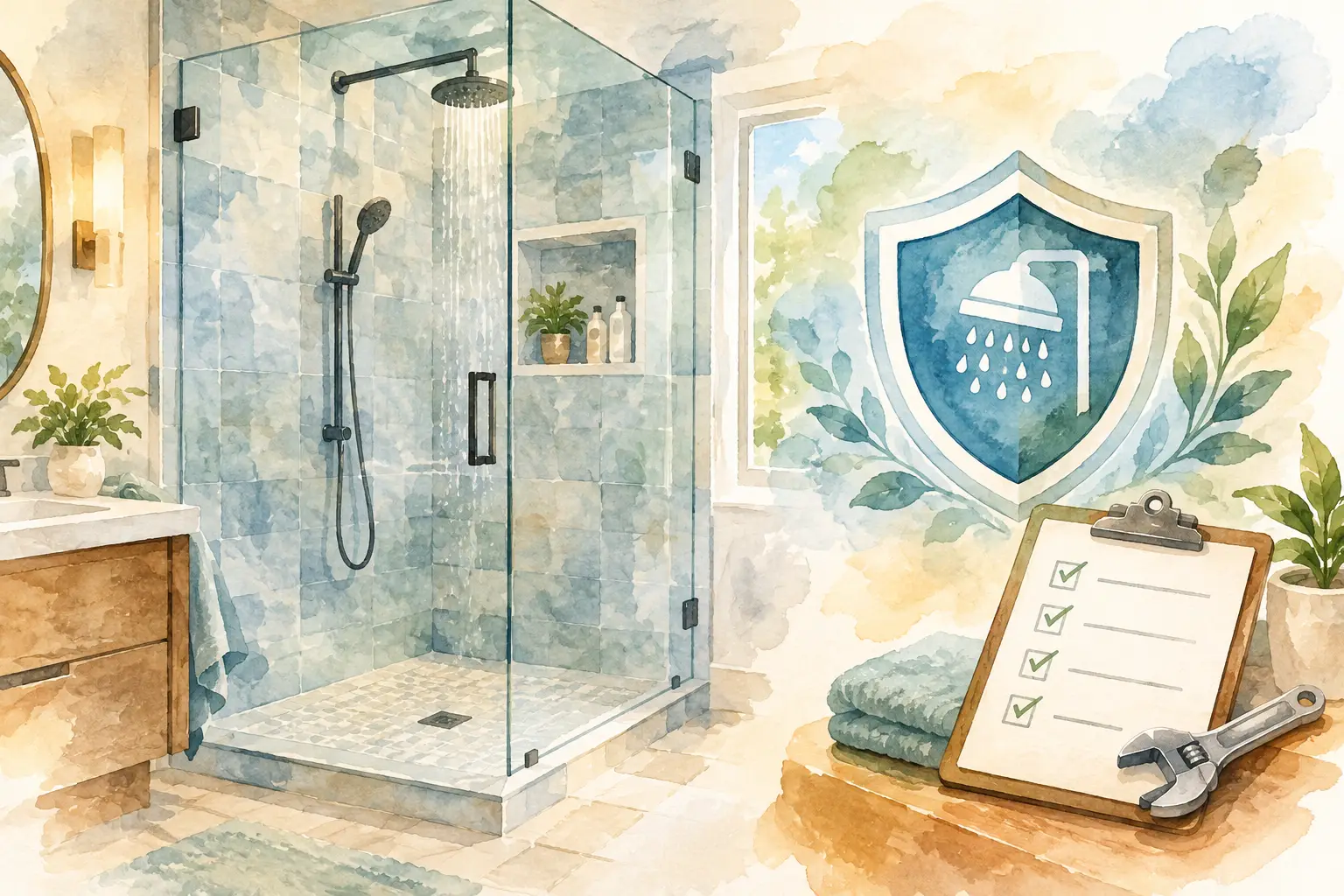
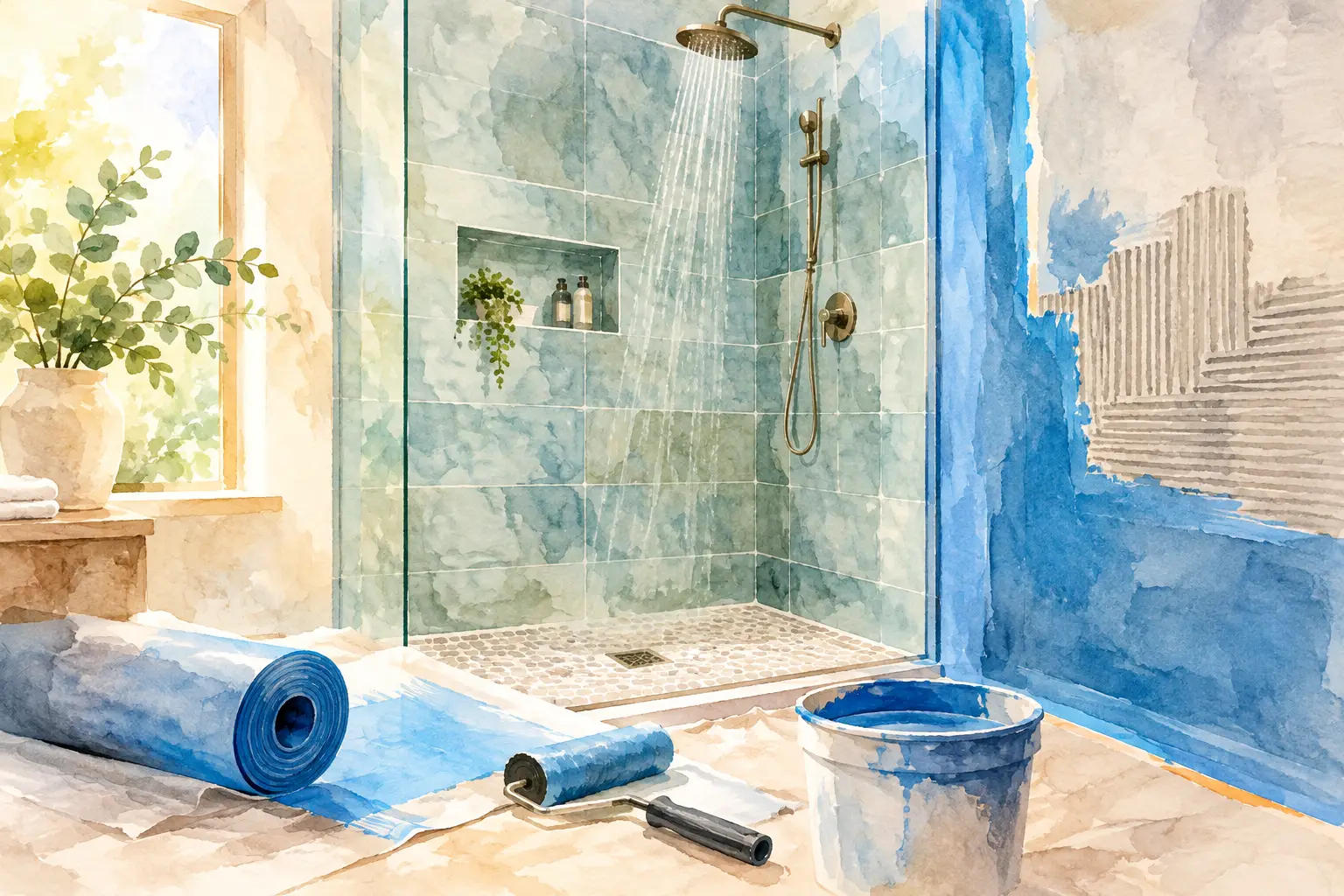
A bathroom is a high-moisture environment. That is why the materials behind the finished surface matter as much as the finish you see. Your bathroom renovation checklist should include waterproof installation practices, durable wall surrounds, properly sealed connections, and surfaces designed to resist staining, mold, and mildew.
Tile can offer a classic, highly customized look, but it often involves grout lines that need regular attention. Premium nonporous wall systems can create a polished appearance with fewer seams and less scrubbing. Neither choice is automatically right for every home. The best option depends on the look you want, the amount of maintenance you are comfortable with, and how quickly you want the project completed.
For shower floors, prioritize slip resistance and drainage over a surface that merely looks dramatic in a showroom. A beautiful floor that is hard to stand on when wet is not a practical upgrade. Similarly, choose hardware and fixtures with finishes that fit your cleaning habits. Brushed finishes may show water spots less than highly polished options, while the right shower doors or curtain setup can make daily cleaning far easier.
Plan for Safety Without Sacrificing Style
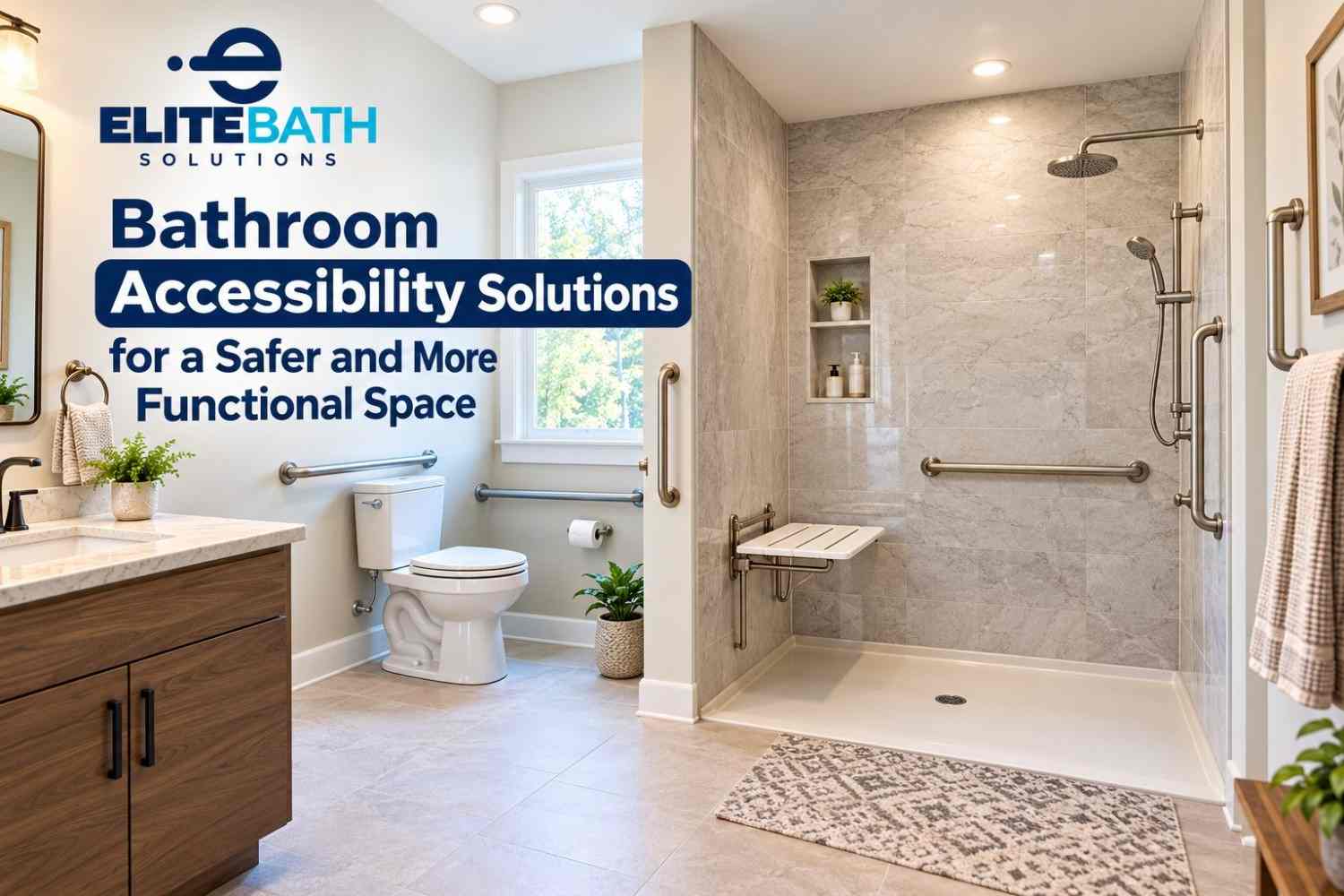
Accessibility features no longer have to make a bathroom feel clinical. Thoughtful design can add confidence and comfort while preserving the upscale look homeowners want. A low-threshold shower, strategically placed grab bars, a built-in seat, handheld showerhead, and easy-to-reach controls can make a significant difference for people of many ages and mobility levels.
A walk-in bathtub may be the better fit for someone who enjoys soaking and needs more secure entry and seated bathing. A walk-in shower may suit homeowners who prefer quick, open access and a more spacious feel. These are lifestyle choices, so discuss how you bathe now and what may make the room safer in the years ahead.
Lighting belongs on the safety checklist as well. Layered lighting can reduce shadows near the shower, vanity, and entry. A well-lit mirror area makes grooming easier, while a soft night light can provide added confidence during late-night trips to the bathroom.
Make Storage and Layout Work Harder
Even a small bathroom can feel more generous when storage is planned around real routines. Look at what currently lives on your counter, in the medicine cabinet, and beside the tub. Those items reveal where the room is falling short.
Vanity drawers often offer more useful organization than a large cabinet with one deep, open interior. Recessed niches can keep shampoo and soap within reach without crowding a shower ledge. Hooks, towel bars, and shelves should be placed where they will actually be used, not simply where there happens to be empty wall space.
If you are changing the layout, consider the cost and complexity of moving plumbing. Relocating a toilet, drain, or major water line can expand the budget and timeline. Keeping plumbing in its current location can be a smart way to devote more of your investment to the visible finishes and performance features you will enjoy every day.
Select a Design That Will Still Feel Right Later
A bathroom should feel current, but it does not need to chase every trend. Neutral wall tones, warm metal finishes, clean-lined fixtures, and natural-looking textures tend to age well. You can add more personality through mirrors, lighting, hardware, paint, and accessories that are simpler to change later.
Bring samples into the room when possible. Natural light and existing paint colors can change the way a finish appears. Consider how the materials will look under your vanity lights, not just under bright showroom lighting. Most importantly, select colors and textures you will enjoy at 7 a.m. on a busy weekday, not only in a staged photo.
Vet Your Bathroom Remodeling Partner
The contractor you choose affects more than the final appearance. You are trusting a team with water management, installation quality, your home, and your schedule. Look for a company that specializes in baths and showers, explains the process clearly, and can show you how its products and installation methods support long-term performance.
During your consultation, ask about the scope of work, product options, cleanup practices, project timing, warranty coverage, and what happens if an unexpected issue is found. Confirm whether labor and materials are covered, not just a limited product warranty. Clear answers are a sign of a professional process.
Elite Bath Solutions helps Atlanta-area homeowners make these decisions with a guided, design-to-installation approach built around premium materials, efficient installation, and lifetime warranty protection. The goal is not to overwhelm you with options. It is to create a bathroom that looks exceptional and works beautifully from the first day forward.
Final Check Before Installation Begins
Before work starts, confirm the final design, material selections, fixture placement, and project schedule. Remove personal items from the bathroom and establish a plan for using another bath if needed. If pets or children are at home during the day, discuss access and work-area boundaries with the installation team.
Then give yourself permission to look beyond the disruption. A well-planned bath renovation is not just about replacing old surfaces. It is about stepping into a cleaner, safer, more comfortable space that supports the way you want to live at home.