A walk-in tub should make bathing feel relaxing again, not like another task that requires planning, balance, and worry. The best walk-in tub features do more than add a low entry door. They create a safer, more comfortable place to bathe while giving your bathroom a polished, spa-inspired upgrade that suits your home and routine.
For homeowners in Woodstock and throughout North Metro Atlanta, the right model depends on who will use it, the space available, and which details will make the biggest difference day after day. A well-designed walk-in tub can support independence, ease sore muscles, and simplify cleanup. The key is choosing features that deliver real value instead of paying for extras you may never use.
Best Walk-In Tub Features to Prioritize
A low threshold and secure, watertight door
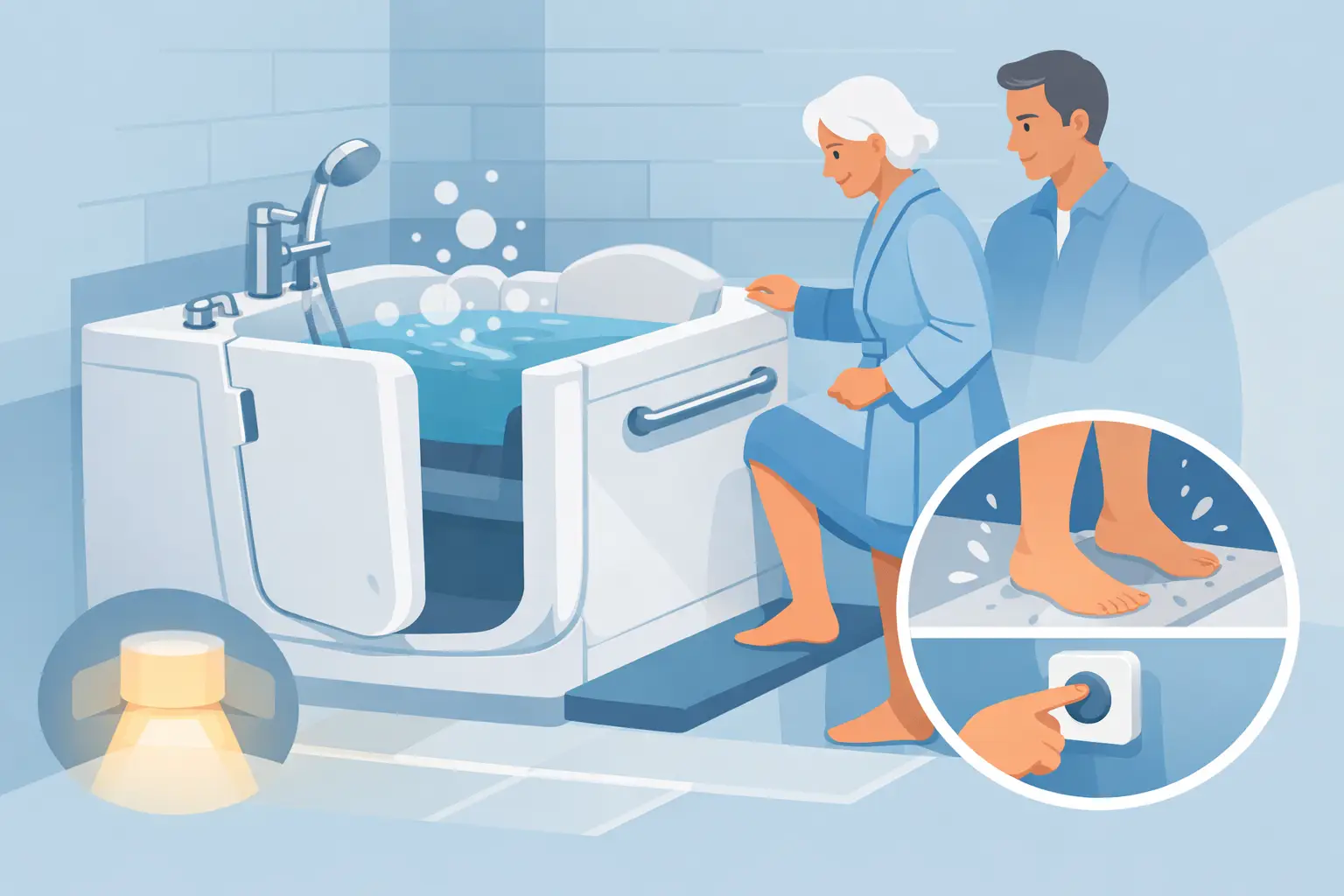
The entry threshold is the reason many homeowners start considering a walk-in tub. Rather than stepping high over a traditional tub wall, you enter through a low opening, reducing the risk of tripping and loss of balance. Look for a threshold that is genuinely easy to clear, not merely lower than a standard bathtub.
The door should also close firmly and form a dependable seal. Walk-in tub doors may swing inward or outward. An inward-swinging door can be a smart choice in a compact bathroom because it does not take up floor space. An outward-swinging door may offer a wider opening and can be easier to use for some people, but it requires clear space in front of the tub. Neither is automatically better. The best choice comes down to bathroom layout, mobility needs, and how the tub will be used.
Built-in seating that feels natural
A walk-in tub is designed for seated bathing, so the seat deserves more attention than many buyers give it. It should be sturdy, comfortable, and positioned at a height that makes sitting down and standing up manageable. A contoured, slip-resistant seat can make a meaningful difference during longer soaks.
Seat width and depth matter, too. A taller person may need a deeper bathing area, while someone with limited knee flexibility may prefer a seat that keeps the legs in a more comfortable position. During a consultation, it is worth discussing who will use the tub most often rather than choosing by exterior dimensions alone.
Non-slip flooring and steady support
A low threshold helps at entry, but safety should continue throughout the bathing experience. Textured, non-slip flooring provides traction underfoot, while strategically placed grab bars give you something solid to hold when entering, sitting, and standing.
Grab bars should be integrated where they are useful, not treated as an afterthought. One near the door and another near the seat can provide support at the moments when balance matters most. The finish should be easy to grip and securely anchored. Towel bars and decorative hardware are not substitutes for true safety bars.
Fast draining that respects your time
One practical consideration separates walk-in tubs from a standard bathtub: the door generally stays closed until the water has drained. That makes an efficient drain system a priority, especially for anyone who becomes chilled easily or does not want to wait after bathing.
A fast-drain system can greatly reduce that wait, but performance depends on the tub, your home’s plumbing, and proper installation. Ask how the drainage system works with your existing bathroom plumbing and what drain time you can realistically expect. A specialist should assess the setup before making promises.
Temperature control and anti-scald protection
Comfort depends on water temperature, but so does safety. Quality walk-in tubs include easy-to-use controls and anti-scald protection designed to help prevent sudden temperature changes. This is particularly valuable for aging homeowners, people with reduced sensation in their hands or feet, and households with children or visiting family members.
Choose controls that are clear, reachable from a seated position, and simple to operate with wet hands. Some models offer thermostatic controls that maintain a selected temperature more consistently. That feature can be worthwhile for frequent bathers who want a predictable, soothing soak without constant adjustment.
Comfort Features That Can Turn a Bath Into a Retreat
Hydrotherapy jets for targeted relief
Air and water jets are among the most requested walk-in tub upgrades. Water jets provide a more direct, massage-like sensation that can feel especially good around the back, legs, and feet. Air jets create a gentler, bubbling experience that many people enjoy for relaxation.
For homeowners managing everyday stiffness, post-workout soreness, or the general aches that come with an active life, hydrotherapy can make the tub more inviting to use. It is not a replacement for medical care, and results vary from person to person. Still, a warm bath with properly placed jets can be a welcome part of a regular comfort routine.
Consider the maintenance side before selecting a jetted tub. Ask how the system purges residual water from the lines and how often it should be cleaned. A feature that supports relaxation should not create a demanding cleaning chore.
Heated seating and back support
Because you enter a walk-in tub before filling it and wait for it to drain before exiting, a heated seat can add a welcome layer of comfort. It helps prevent the seat from feeling cold while water fills the tub and can make the entire experience more pleasant during cooler months.
A supportive backrest is equally valuable. Look for a design that lets you sit comfortably upright without feeling cramped. The goal is not just a tub you can use safely. It is a tub you will genuinely want to use.
Handheld shower wand for flexibility
A handheld shower wand makes a walk-in tub more versatile. It allows for easy rinsing, helps with hair washing, and supports bathing when a full soak is not desired. It also makes cleaning the tub’s interior far easier.
For many households, this is one of the most practical features available. It can serve the needs of a seated bather while still giving caregivers or family members greater flexibility. Look for a wand with an easy-grip handle, a hose long enough to reach comfortably, and a secure docking point.
Installation Features Matter as Much as the Tub
The finest tub on the showroom floor cannot deliver peace of mind without a proper installation. Walk-in tubs involve plumbing, drainage, waterproofing, wall surrounds, electrical requirements for certain features, and careful finishing around the unit. This is why working with a bath-focused remodeling company matters.
Before selecting a tub, confirm that it fits through the home’s entry points and can be installed in the available bathroom footprint. A compact walk-in tub may be ideal for a smaller hall bath, while a larger model may better suit a primary bathroom. The size of your water heater is another important conversation. Larger tubs need more warm water, and some homes may benefit from water-heating upgrades or a model designed to manage capacity efficiently.
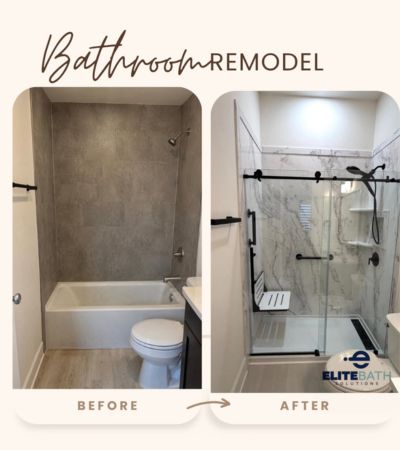
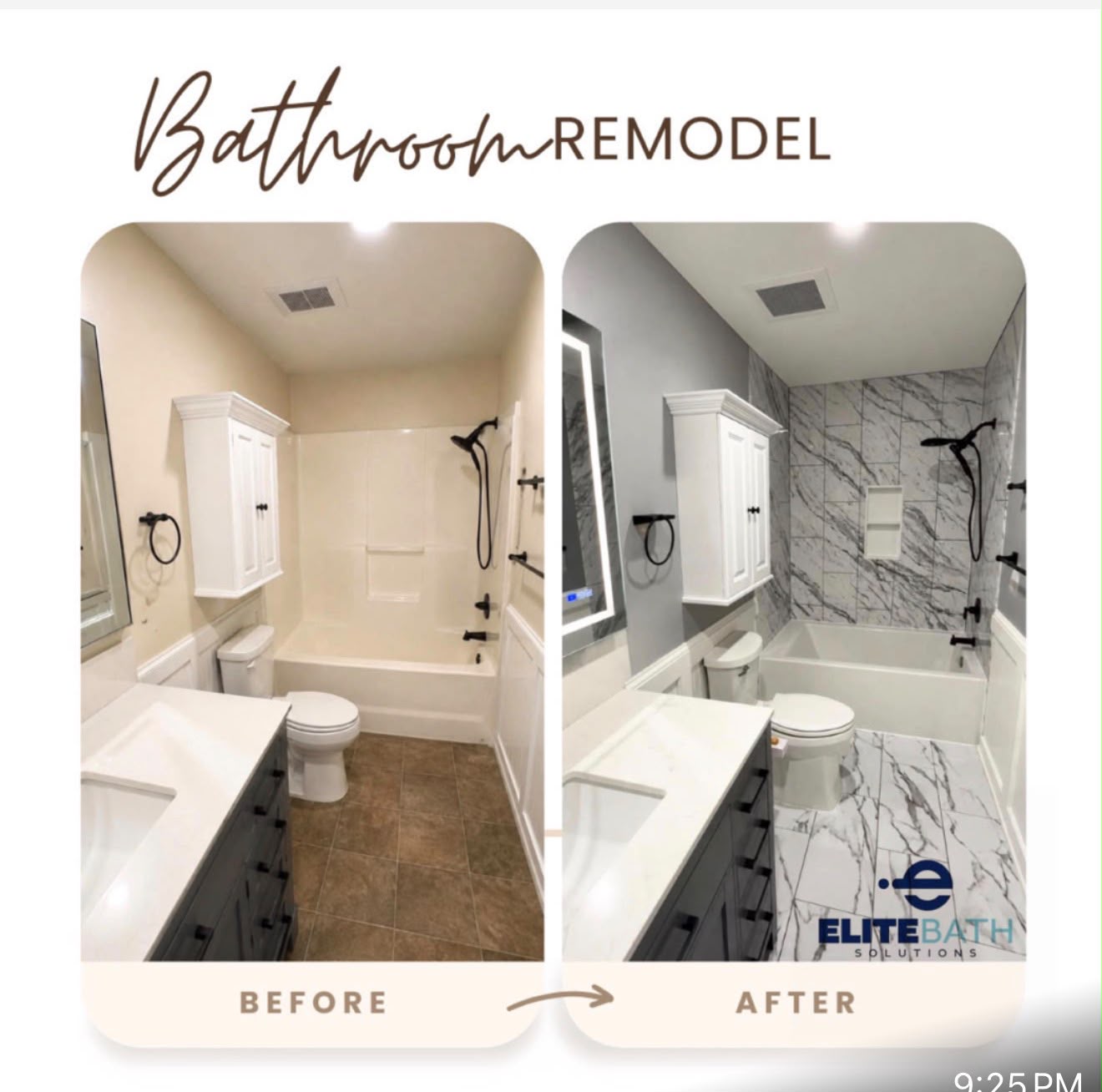
A complete remodel can also be the right time to replace old wall materials with durable, waterproof surrounds that resist mold, mildew, and stubborn stains. The finished space should look intentional, not like a safety product placed into an outdated bathroom. Elite Bath Solutions helps homeowners pair accessibility with premium finishes, low-maintenance materials, and a bathroom design that feels like a true upgrade.
How to Choose the Right Features for Your Home
Start with the daily experience you want. If preventing slips is the central concern, prioritize the low threshold, non-slip floor, grab bars, seating, and temperature protection. If muscle comfort is a major goal, compare jet placement, heated seating, and back support. If you want a tub that works for several family members, a handheld shower wand and easy controls may be especially useful.
It also helps to think ahead. A walk-in tub is often selected because a homeowner wants to remain comfortable in a beloved home for years to come. Choosing features that support future mobility needs can be wiser than waiting until bathing becomes difficult. At the same time, avoid overbuilding the project. The most expensive tub is not always the best fit for your space, budget, or routine.
Ask clear questions during your consultation: How will the tub drain? What maintenance does the jet system require? Can the controls be reached comfortably while seated? What changes, if any, are needed for plumbing or electrical service? And what warranty protects the products, labor, and materials after installation?
The right walk-in tub should give you more than a safer way to bathe. It should give you a bathroom where comfort feels built in, cleanup feels simpler, and every soak offers a little more confidence at home.