A shower surround can make a bathroom feel fresh and high-end – or turn daily cleanup into a chore that never really ends. When homeowners ask about the best materials for shower surrounds, they are usually asking a bigger question: what will look beautiful, stay waterproof, and still feel like a smart investment years from now?
The answer depends on how you use the space, how much maintenance you want, and how quickly you want the remodel completed. Some materials give you custom style. Others give you speed, easy cleaning, and dependable long-term performance. The right choice is the one that fits your home and your routine, not just the one that looks good in a showroom.
What makes the best materials for shower surrounds?
In a bathroom, appearance matters, but performance matters more. Shower walls deal with daily moisture, temperature swings, soap residue, and constant cleaning. A material that looks impressive on day one but stains, cracks, or requires heavy upkeep can become frustrating fast.
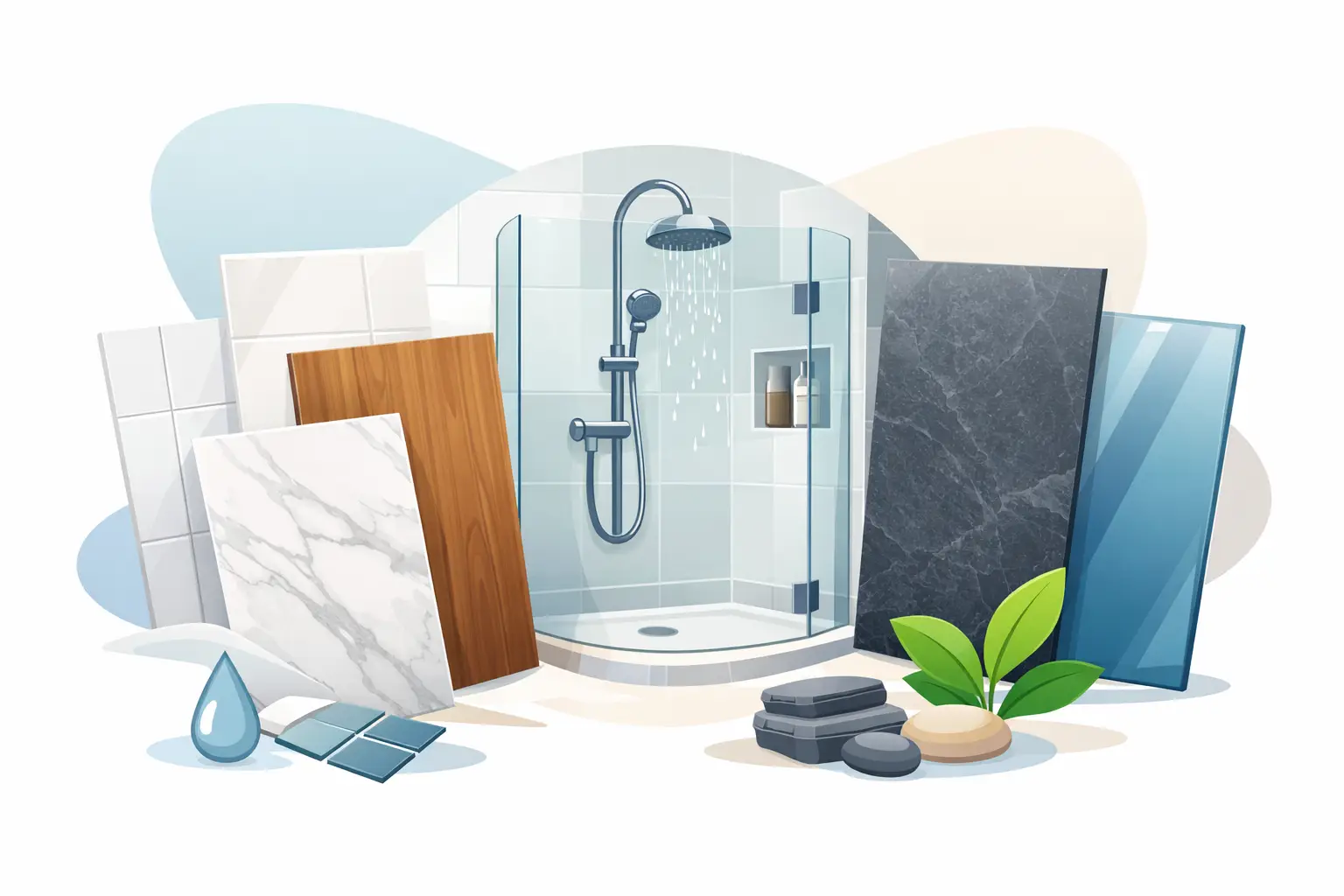
That is why the best shower surround materials usually come down to five things: water resistance, durability, maintenance, design flexibility, and installation timeline. Budget matters too, of course, but the lowest upfront price is not always the best value if the material requires more repair or replacement later.
For many homeowners in Woodstock and the greater Atlanta area, ease of care is a major factor. Busy families, older adults, and anyone updating an outdated bath often want a cleaner, brighter look without signing up for grout scrubbing every weekend.
Acrylic shower surrounds
Acrylic is one of the most popular choices for modern shower remodeling, and for good reason. It offers a clean, polished appearance, resists moisture very well, and is known for being low maintenance. Because it is nonporous, it does not absorb water the way some natural materials can, and it is much easier to keep clean than traditional tile with multiple grout lines.
Acrylic also works well for homeowners who want a fast, efficient remodel. If your goal is to transform an aging shower without a drawn-out construction process, this material is often a strong fit. It can also be manufactured in a range of styles, including patterns that mimic tile, so you can get a more upscale look without the upkeep that usually comes with it.
The trade-off is that acrylic does not have the same handcrafted feel as real tile or stone. If you want a highly customized design with intricate layout options, acrylic may feel more streamlined than bespoke. Still, for homeowners who prioritize durability, easy cleaning, and reliable waterproof performance, it remains one of the smartest choices available.
Composite and solid surface panels
Composite and solid surface shower wall systems have become increasingly attractive for homeowners who want a premium finish with less maintenance than tile. These panels are engineered for wet environments and are designed to be durable, sleek, and easy to care for.
One of their biggest advantages is the combination of style and practicality. Many solid surface options offer a refined, upscale look with fewer seams, which helps reduce places where moisture and mildew can develop. They also tend to feel more substantial than basic fiberglass systems, giving the shower a more luxurious presence.
This category is especially appealing if you want a bath upgrade that feels elevated but still supports everyday convenience. Costs can be higher than entry-level materials, but many homeowners see the value in a surround that looks custom, performs well, and simplifies cleaning. If the goal is a bathroom that feels more like a personal retreat and less like a maintenance project, solid surface deserves serious consideration.
Fiberglass shower surrounds
Fiberglass is often chosen for affordability, especially in builder-grade bathrooms or budget-focused remodels. It is lightweight, water resistant, and widely used in standard shower units. For some households, that makes it a practical starting point.
That said, fiberglass usually sits lower on the list of best materials for shower surrounds when long-term appearance is a top priority. It can be more prone to scratching, dulling, or wear over time than higher-end materials. Depending on the product quality, it may also feel less substantial under daily use.
Fiberglass can still be a workable option for secondary bathrooms, rental properties, or projects where keeping costs down is the main concern. But if you are remodeling your primary bath and want a finish that feels more refined and holds its beauty longer, many homeowners prefer to step up to acrylic or a premium wall panel system.
Ceramic or porcelain tile
Tile remains a classic choice because it offers almost endless design flexibility. You can create a timeless white shower, a bold accent wall, or a custom pattern that gives the room real personality. Porcelain tile in particular is known for strong water resistance and durability, while ceramic can also perform well when properly installed.
The biggest advantage of tile is visual freedom. If your dream shower includes specific colors, textures, niches, borders, or statement details, tile can deliver that custom look. It can add strong resale appeal too, especially in a well-designed bathroom.
The trade-off is maintenance. Even when the tile itself is durable, grout lines need ongoing care. Grout can discolor, trap residue, and require sealing depending on the product used. Installation is also more labor-intensive and typically takes longer than a wall panel system. For homeowners who love custom design and do not mind a little extra upkeep, tile can be worth it. For those who want speed and simplicity, it may not be the best match.
Natural stone
Natural stone brings unmistakable luxury. Materials like marble, travertine, and slate create a rich, high-end look that can make a shower feel truly custom. No manufactured product fully replicates the variation and character of real stone.
But natural stone asks more of the homeowner. It generally requires more maintenance, more careful cleaning, and regular sealing to protect against moisture and staining. It also tends to come with a higher installation cost. In the wrong setting, that beauty can become a burden.
Stone is best for homeowners who are committed to the look and willing to maintain it properly. If you want a dramatic, upscale statement and understand the care involved, it can be a beautiful choice. If you want a shower that stays looking great with minimal effort, there are easier options that still deliver an elegant result.
Which shower surround material is best for your home?
The best choice usually comes down to your priorities.
If you want low maintenance, strong durability, and a fast remodeling timeline, acrylic or a premium composite wall system often makes the most sense. These materials are especially appealing for busy households, aging-in-place upgrades, and tub-to-shower conversions where convenience matters as much as style.
If custom design is your top priority, tile offers the most flexibility. It lets you personalize the space in a way few other materials can. You just need to be realistic about the maintenance and installation time.
If your budget is very tight, fiberglass may help you complete the project at a lower cost, though it may not offer the same long-term finish quality. And if luxury is the goal above all else, natural stone delivers a high-end look, provided you are comfortable with the upkeep.
A lot also depends on who is installing it. Even the best material can underperform if the installation is rushed or poorly waterproofed. That is why homeowners often get better results working with bath specialists who focus on wet-area remodeling, understand product performance, and install systems designed to last.
A smart remodel is about more than looks
The right shower surround should do more than update the room. It should make daily life easier. It should be simpler to clean, more comfortable to use, and better suited to the way your household lives now.
For many homeowners, the winning material is the one that delivers that balance – attractive enough to elevate the bathroom, durable enough to stand up to daily use, and practical enough to keep maintenance from becoming a constant annoyance. That is why so many modern remodels lean toward premium low-maintenance surrounds instead of materials that demand more time and attention.
If you are weighing your options, it helps to think beyond samples and color charts. Picture how the shower will look after years of steam, soap, and real family use. The best choice is the one that still feels like a relief, not a responsibility, every time you step inside.