A worn-out tub can make the whole bathroom feel dated, cramped, and harder to use than it should be. For many homeowners, the first question is simple: what does tub to shower conversions cost, and what do you actually get for the investment? The answer depends on your bathroom layout, material choices, plumbing conditions, and the level of customization you want, but the right conversion can bring everyday comfort, safer access, and a much cleaner look.
What tub to shower conversions cost depends on
There is no single flat price for every bathroom because no two remodels are exactly alike. A basic tub-to-shower conversion usually costs less than a highly customized build with premium wall surrounds, built-in seating, upgraded fixtures, and designer glass. Homes with older plumbing or water damage behind the existing tub can also move the price up.
That said, most homeowners are not just paying for a new shower pan and walls. They are paying for demolition, haul-away, plumbing adjustments, waterproof installation, finish materials, and professional labor. When the work is done by a bath specialist instead of a general contractor juggling many trades, the process is often faster, cleaner, and more predictable.
For homeowners in Woodstock and the greater Atlanta area, pricing can also reflect local labor rates, product availability, and whether the project is a straightforward swap or part of a larger bathroom refresh.
The biggest factors that affect tub to shower conversions cost
Size and layout of the space
A standard alcove tub conversion is usually more budget-friendly than reworking a larger footprint or changing the bathroom layout. If the new shower fits within the tub’s existing space, plumbing changes are often simpler. If you want to move the drain, shift supply lines, or expand the shower area, costs rise because labor and materials increase.
Layout matters for another reason too. Tight bathrooms may require more careful demolition and installation. A second-floor bathroom can bring its own challenges if repairs are needed below the floor.
Materials and finish level
Material choice has a major impact on both price and long-term value. Prefabricated systems are often more affordable than fully custom tile work, and they can still look polished and high-end when chosen well. Premium wall systems, stone-look surrounds, upgraded bases, and custom glass all add to the total, but they also improve appearance, durability, and ease of cleaning.
This is where homeowners often face a real trade-off. Lower upfront pricing can be appealing, but bargain materials may stain, crack, or require more maintenance over time. Higher-quality products usually cost more initially, yet they often deliver a better finish and fewer headaches later.
Plumbing and hidden repairs
One of the hardest parts of pricing a bath conversion is what you cannot see until demolition starts. Water damage, subfloor problems, mold concerns, and outdated plumbing can all affect the final scope. In older homes, replacing worn valves or correcting past installation issues is sometimes the smartest move, even if it adds to the project cost.
This is not wasted money. Fixing hidden issues during the conversion protects the new shower and helps you avoid paying twice for the same area later.
Accessibility upgrades
Many homeowners convert a tub to a shower because stepping over a high tub wall no longer feels safe or convenient. A low-threshold or barrier-free design can make daily bathing easier for aging adults, people with mobility concerns, or anyone planning to stay in their home long term.
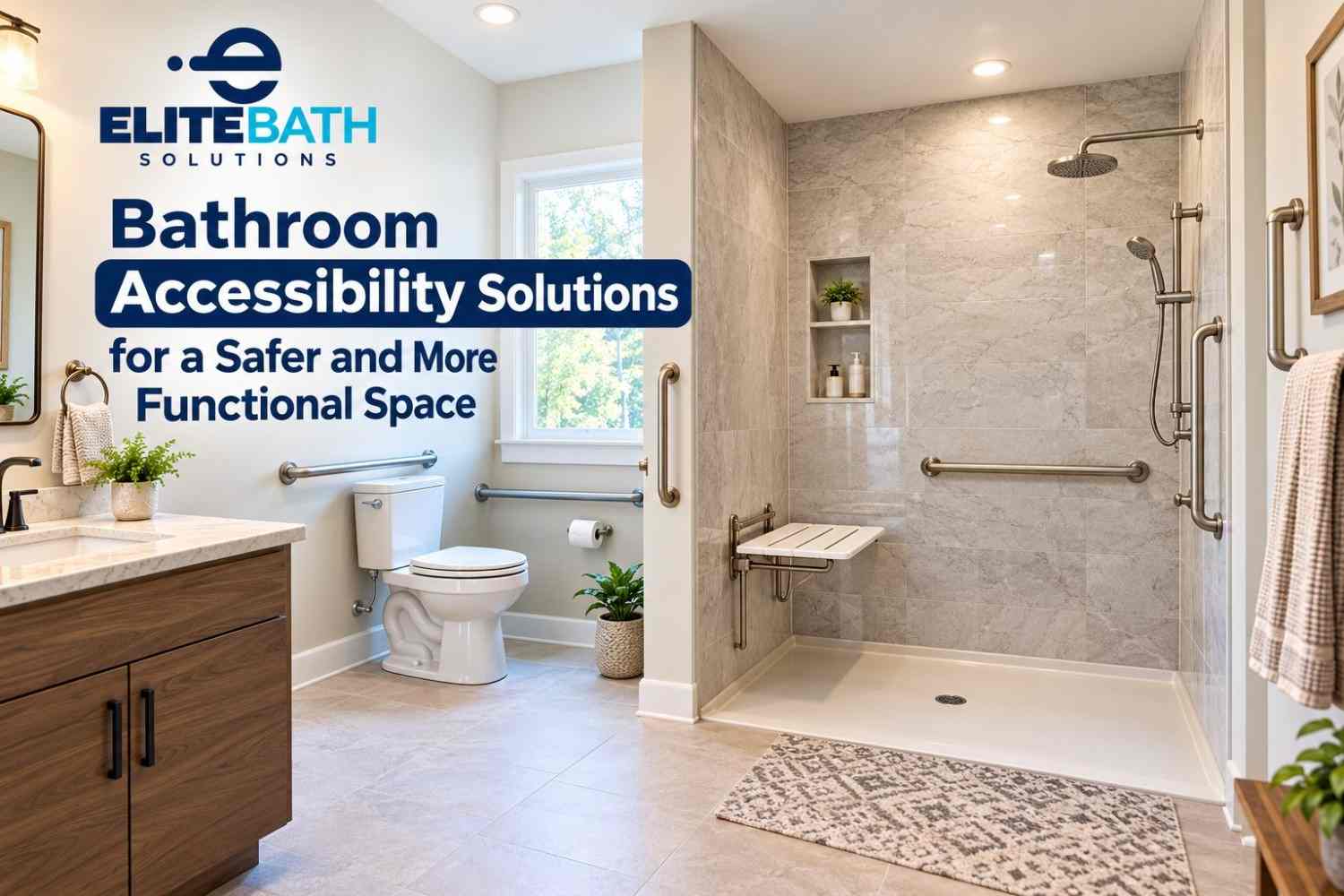
Accessibility features such as grab bars, built-in seating, handheld showerheads, slip-resistant flooring, and wider openings can increase the project total. They also add practical value that many families appreciate right away. In many cases, these features do not make the bathroom look clinical. When selected thoughtfully, they blend into a modern, upscale design.
Budget, mid-range, and premium conversion options
Homeowners often want at least a rough idea of where their project may fall. A budget-friendly conversion usually focuses on replacing the tub with a standard shower system, clean wall panels, basic fixtures, and minimal plumbing changes. This can be a smart option when the goal is to improve function and appearance without overcomplicating the project.
A mid-range conversion tends to include stronger material upgrades, better fixture styles, shelving or niches, a more refined shower base, and improved design coordination. This is often the sweet spot for homeowners who want the bathroom to feel noticeably more luxurious while still keeping the investment under control.
A premium conversion usually includes top-tier finishes, custom glass, designer hardware, enhanced accessibility elements, and more personalized design details. If the bathroom is a daily-use primary bath, many homeowners feel the added comfort and style justify the higher price.
Why the cheapest quote is not always the best value
When comparing estimates, the lowest number on paper can be tempting. But bathroom remodeling is one area where shortcuts tend to show up quickly. Poor waterproofing, rushed installation, weak materials, or vague warranty coverage can turn a lower quote into a more expensive problem later.
A quality tub-to-shower conversion should be built to handle moisture, daily use, and cleaning without constant upkeep. That means proper prep, professional installation, and materials designed for wet environments. It also means knowing who stands behind the work.
For many homeowners, real value comes from a company that specializes in bath spaces, offers a clear process, keeps disruption low, and provides warranty-backed peace of mind. Elite Bath Solutions is built around that kind of focused service, which matters when you want both speed and craftsmanship.
How to plan your project without overspending
The best way to control cost is to know your priorities before the design is finalized. If safety is the main goal, focus first on entry height, slip resistance, and support features. If style is the top priority, put more of the budget toward visible elements like wall surrounds, fixtures, and glass.
It also helps to decide where customization truly matters. Some homeowners want every finish upgraded, while others are happier investing in a few high-impact details and keeping the rest simple. A well-designed conversion does not have to include every premium add-on to feel elevated.
Financing can also make a better-quality remodel more manageable. Instead of settling for a lower-grade solution, homeowners may be able to choose a longer-lasting design that fits their monthly budget more comfortably.
Questions to ask before you commit
A strong estimate should explain more than price alone. Ask what is included in demolition, whether plumbing updates are covered, what materials will be used, how waterproofing is handled, and what warranty protection comes with the installation. You should also ask about the expected timeline and whether the company focuses specifically on bath and shower remodeling.
Those details matter because they shape the experience as much as the final bill. A fast, organized installation with durable products and a clean finish often feels very different from a project that drags on with unclear communication.
Is a tub-to-shower conversion worth the cost?
For many households, yes. A shower conversion can make the bathroom easier to enter, easier to clean, and more enjoyable to use every day. It can modernize an older space without requiring a full gut remodel, and it often improves the overall look of the home in a way that feels immediate.
The value is especially clear when the existing tub is rarely used. If it has become more of an obstacle than a feature, replacing it with a spacious, low-maintenance shower is often a practical upgrade rather than a luxury splurge.
The right investment depends on how you use your bathroom now and how you want it to serve you in the years ahead. If your current tub feels outdated, unsafe, or simply out of step with your lifestyle, getting a professional consultation can bring real clarity. The smartest next step is not guessing at a number online – it is getting expert guidance on a solution that fits your space, your goals, and your budget.