A wet bathroom floor should not make anyone hesitate before taking a shower. For homeowners considering walk in tubs Woodstock GA families can rely on, the goal is bigger than replacing an old fixture. It is about creating a bathroom that feels safer, more comfortable, and easier to enjoy every day without giving up the style of a well-finished home.
A walk-in bathtub combines accessibility features with a relaxing bathing experience. With a low-entry door, built-in seating, easy-to-reach controls, and supportive safety details, it can turn a difficult routine into a more confident one. The right installation also gives your bathroom a polished, updated look that fits the rest of your home.
Why a Walk-In Tub Can Change Daily Life
Traditional tubs ask you to step over a high sidewall, lower yourself down, and stand back up on a potentially slick surface. That can be inconvenient for anyone with limited mobility, joint discomfort, balance concerns, or an injury. It can also become a growing concern for family members who want an aging parent or spouse to remain comfortable at home.
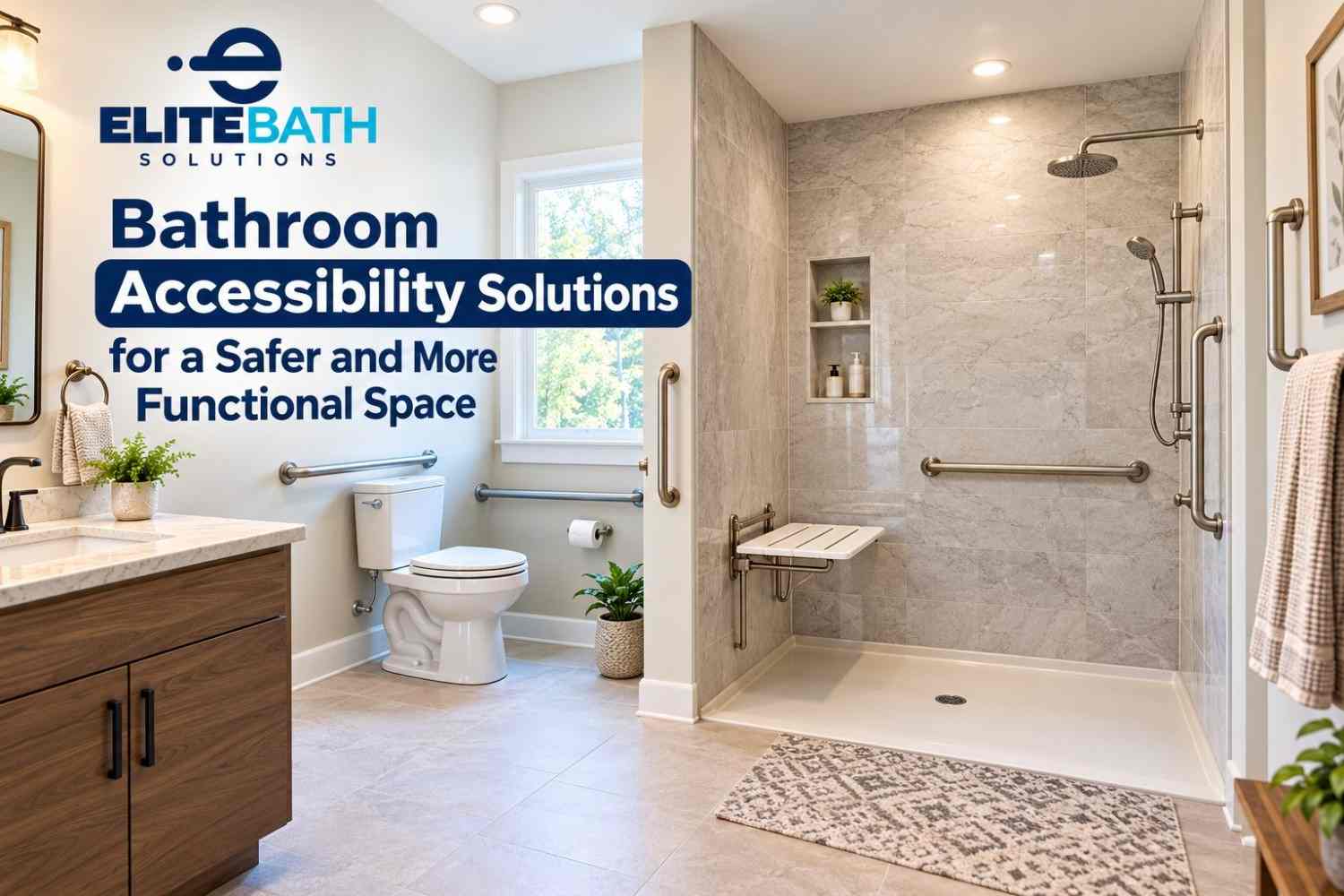
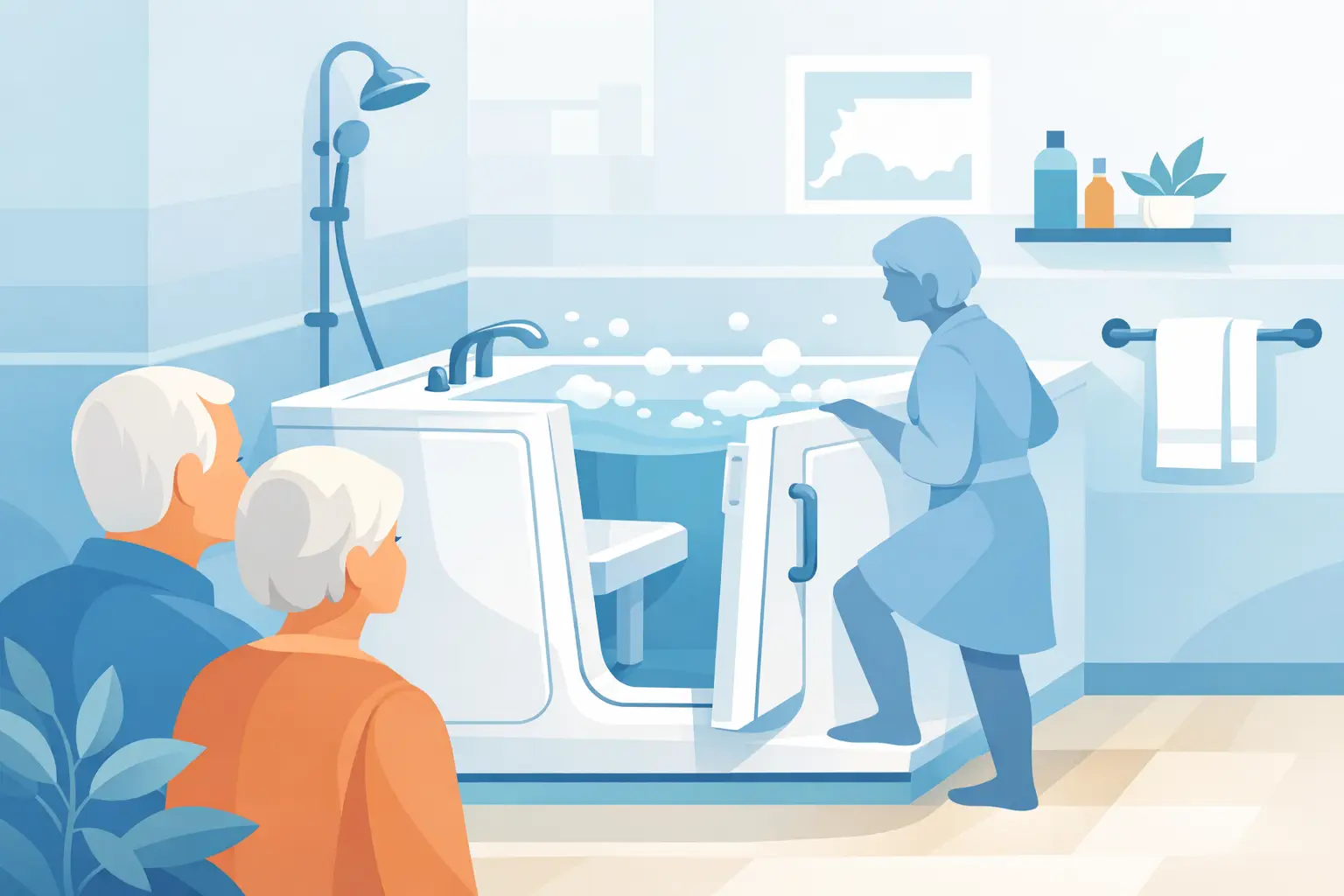
Walk-in tubs address that challenge with a watertight door and a much lower threshold. Once inside, the bather can sit on a built-in seat rather than lowering into the bottom of a standard tub. Grab bars, textured flooring, handheld shower fixtures, and strategically placed controls further reduce unnecessary strain.
The benefit is not limited to accessibility. Many homeowners simply prefer the comfort of a seated bath. Therapeutic features, such as hydrotherapy jets or air jets, can add a spa-like element for tired muscles after a long day. The best choice depends on how you plan to use the tub. A safety-first model may be ideal for one household, while another may prioritize therapeutic features and a more luxurious finish.
What to Look for in Walk In Tubs Woodstock GA Homes Need
A walk-in tub is a long-term home improvement decision, so details matter. The door should create a dependable watertight seal and be easy for the intended user to operate. Inward-swinging doors can work well in compact bathrooms because they require less exterior clearance, while outward-swinging doors may offer more room for entering and exiting. Bathroom layout, user mobility, and available space should guide that decision.
Seat height and width deserve just as much attention. A comfortable seat makes it easier to sit down and stand up, while an appropriately sized tub helps prevent the bathroom from feeling crowded. Your bathroom specialist should measure the space carefully and discuss who will use the tub most often before recommending a model.
Look for premium, low-maintenance surfaces that resist stains, mildew, and everyday wear. A durable surround and proper waterproofing are just as important as the tub itself. Water has a way of finding weak spots, which is why professional preparation and installation protect both the finished appearance and the structure behind your walls.
Other features worth considering include:
- Built-in grab bars and non-slip flooring for steadier movement
- A handheld shower wand for convenient rinsing and easier cleaning
- Fast-drain systems that reduce the wait time before exiting the tub
- Hydrotherapy or air jets for a more restorative bathing experience
Not every feature is essential for every homeowner. A clear conversation about comfort, safety needs, budget, and long-term plans will help separate useful upgrades from options you may never use.
A Beautiful Bathroom Does Not Have to Feel Clinical
Some homeowners worry that an accessible bathroom will look institutional or out of place in a home they have carefully maintained. That does not have to be the case. Today’s walk-in tubs can be incorporated into a modern bath design with clean wall surrounds, coordinated fixtures, attractive storage, and finishes that complement your existing style.
The tub should feel like part of the room, not an afterthought. Wall colors and surround patterns can brighten a cramped bath, while well-placed shelving keeps towels and bath essentials within reach. If a full remodel is planned, updated lighting and a new vanity can make the entire space feel more open and intentional.
For many Woodstock homeowners, this balance is what makes the investment worthwhile. The bathroom becomes more practical for the years ahead while still delivering the comfort and visual appeal expected from a premium home upgrade.
Planning the Installation Without the Remodeling Headache
The best bathroom projects begin with an in-home consultation, not a one-size-fits-all recommendation. A bath specialist should review the existing plumbing, measure the room, identify any mobility concerns, and explain the available design options in plain language. This is the time to ask about water access, electrical needs for therapeutic features, drainage, ventilation, and the condition of the walls and subfloor.
A straightforward replacement may move quickly, especially when the new tub is designed to fit a standard bath footprint. More involved projects can take longer if plumbing must be relocated, the bathroom needs structural repairs, or the homeowner wants additional upgrades. A trustworthy contractor will set clear expectations rather than promising an unrealistic timeline.
At Elite Bath Solutions, the focus is on bath and shower spaces, which helps homeowners avoid the confusion of managing multiple trades on their own. From design guidance through installation, a specialized process helps keep the project organized, clean, and focused on the finished result.
Professional installation is especially valuable with walk-in tubs because performance depends on precision. The unit must be level, the connections must be secure, and surrounding surfaces must be properly waterproofed. A beautiful tub is only as dependable as the work behind it.
Understanding Cost, Value, and Financing Options
Walk-in tub pricing varies based on size, door style, therapeutic features, plumbing requirements, and the condition of the existing bathroom. A basic model may fit a more modest budget, while a larger unit with jets, heated surfaces, or extensive bathroom updates represents a greater investment.
The better question is not simply, “What does it cost?” It is, “What does this change for our home and our daily routine?” For some households, the value is greater independence and fewer concerns around bathing. For others, it is the ability to remain in a familiar home longer rather than making a move based on bathroom limitations.
Financing options can make a quality remodel more manageable by allowing homeowners to choose a payment plan that fits their budget. Warranty coverage also matters. Products, labor, and materials should be clearly covered so you know who stands behind the work after installation day.
Questions to Ask Before You Choose a Walk-In Tub
Before making a final decision, ask how the tub fits the person who will use it most. Can they comfortably step through the door and sit on the seat? Are the controls easy to reach? How quickly does the tub drain? Does the door configuration work with the room’s layout? These practical questions can prevent disappointment later.
Also ask the contractor what is included in the quoted price. Confirm whether demolition, plumbing adjustments, wall surrounds, trim, cleanup, and warranty coverage are part of the project. Clear answers protect your budget and make it easier to compare proposals fairly.
Finally, consider the future. Even if mobility is not a concern today, a walk-in tub can be a thoughtful way to prepare your home for changing needs while investing in daily comfort now.
A bathroom should support the life you want to live at home. If bathing has become uncomfortable, uncertain, or simply less enjoyable than it should be, a well-designed walk-in tub can provide a safer path forward while giving your space the elevated finish it deserves.