The hardest bathrooms to clean are usually not dirty because anyone has neglected them. They are difficult because the room was designed with too many grout lines, tight corners, exposed storage, and surfaces that hold onto soap film. Learning how to make bathrooms easier to clean starts with changing those trouble spots, not simply buying stronger cleaners.
For homeowners in Woodstock and across North Metro Atlanta, a low-maintenance bathroom can mean more time enjoying a comfortable, polished space and less time scrubbing it on a Saturday morning. The best updates pair premium style with practical surfaces that resist moisture, mold, and everyday buildup.
How to Make Bathrooms Easier to Clean With Better Surfaces
A bathroom remodel is the ideal time to reduce the number of places where grime can settle. Large, smooth wall panels and quality shower surrounds are a major upgrade over small tile in high-moisture areas. Fewer seams mean fewer grout lines to scrub, and nonporous surfaces are less likely to absorb stains, mildew, or discoloration.
Tile can still be beautiful, especially for homeowners who want a custom look. The trade-off is maintenance. Smaller tiles create more grout, and light-colored grout can show buildup quickly. If tile is your preference, choose larger-format pieces, use stain-resistant grout, and keep intricate mosaic tile for a smaller accent area rather than covering every shower wall.
For the shower floor, safety and cleanability need to work together. Textured flooring improves traction, which is especially valuable for aging homeowners and families. Very deep texture, however, can take more effort to clean. Look for a slip-resistant surface with a practical, gently textured finish that is comfortable underfoot without creating dozens of tiny places for residue to collect.
Reduce Grout, Gaps, and Unnecessary Corners
Grout is not the only maintenance issue. Caulk lines, exposed trim, and poorly fitted shower doors can become collection points for water and soap scum. A professionally installed bath or shower system creates clean, well-sealed transitions that help protect the wall structure behind the finished surface.
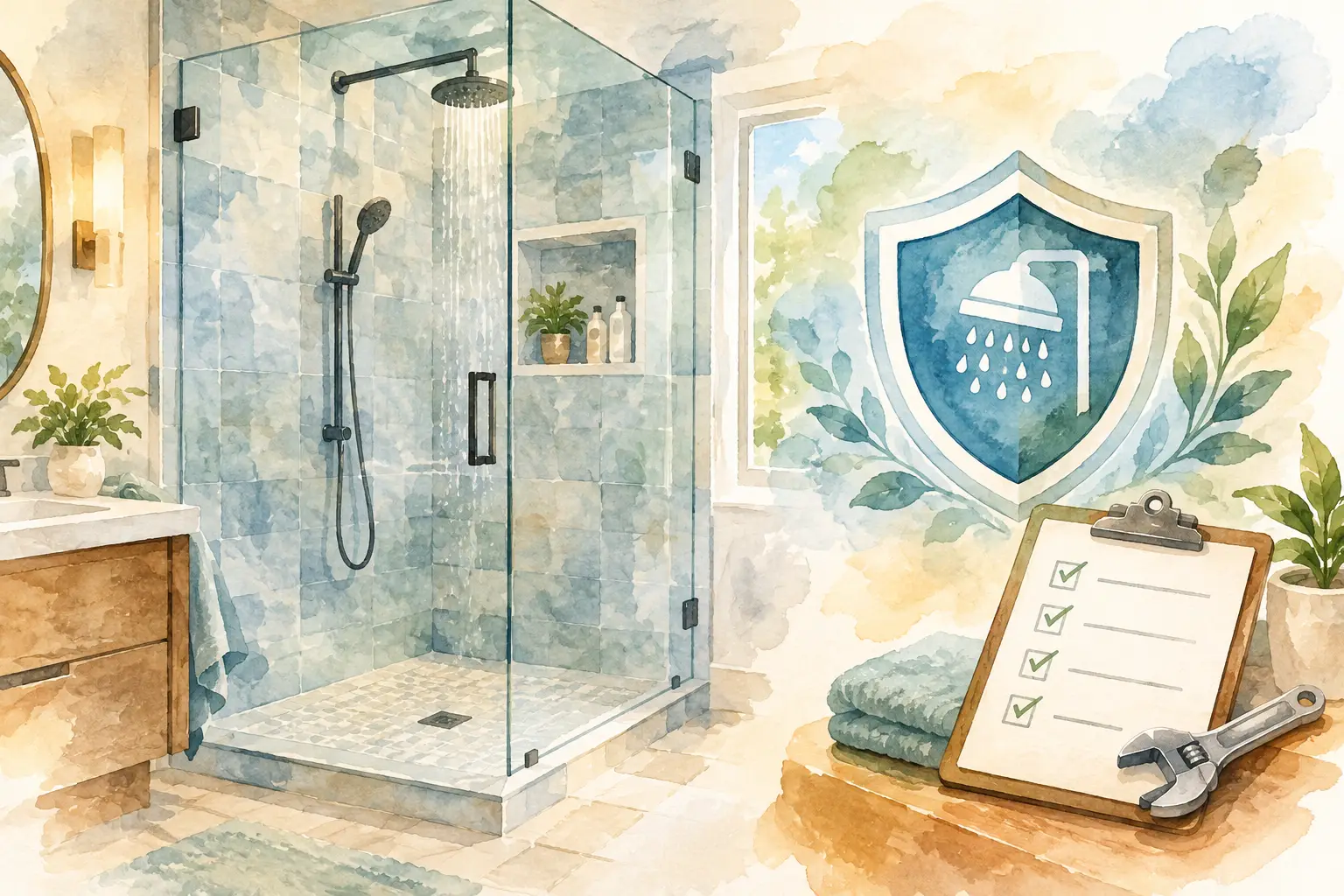
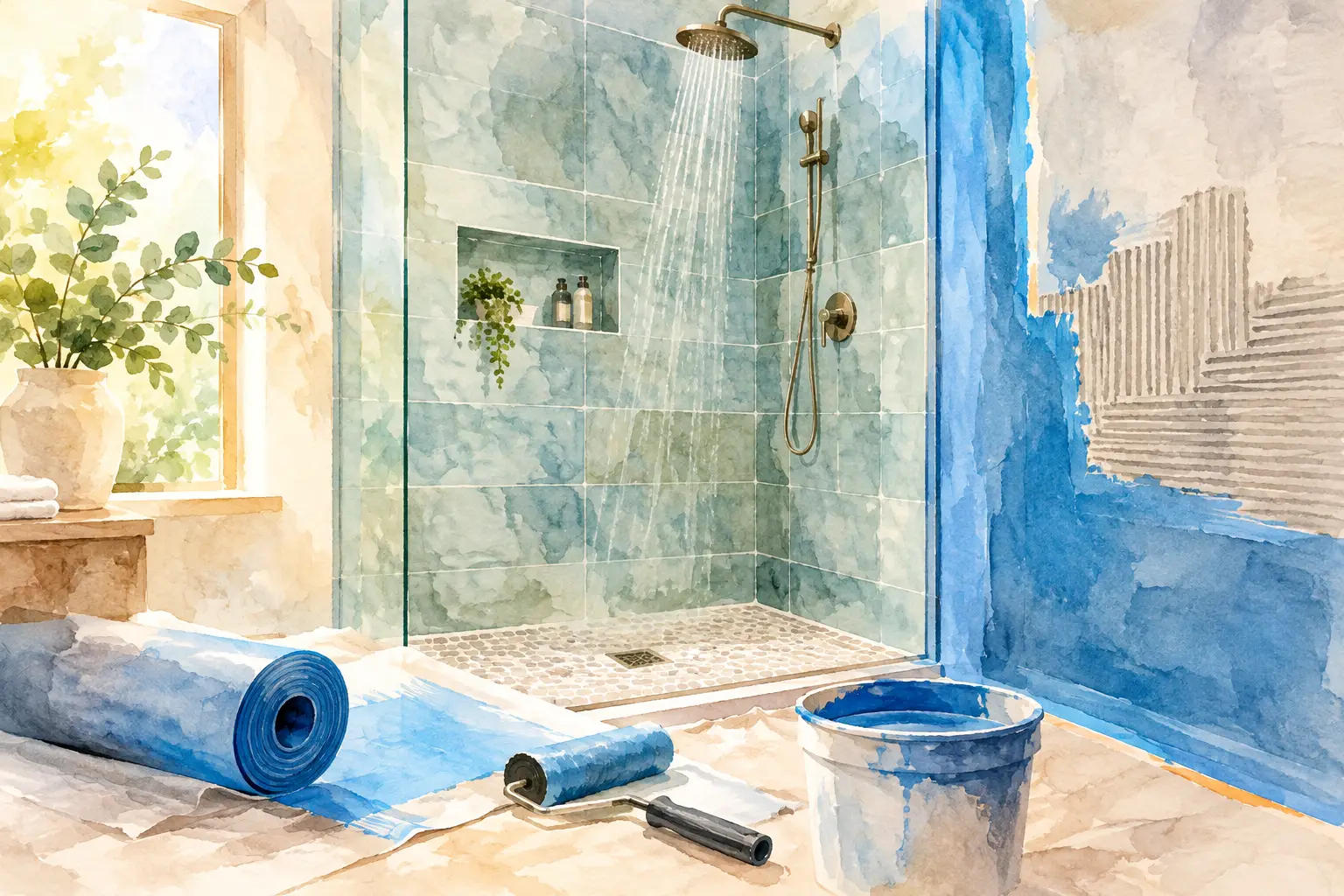
A one-piece or custom-fit shower base is often easier to maintain than a tiled shower floor. It has fewer joints, directs water efficiently toward the drain, and eliminates a large area of grout that would otherwise need regular attention. Proper waterproofing behind the walls matters just as much as the visible finish. It prevents moisture problems that can turn a simple cleaning concern into a costly repair.
When considering a curbless shower, remember that it requires careful design. The open entry offers a sleek appearance and easier access, but the floor slope and drainage must be planned correctly to keep water in the shower area. This is a detail best handled by a bath specialist rather than treated as an afterthought.
Choose a Shower Door That Works for Your Routine
Glass shower doors make a bathroom feel more open, but their maintenance needs vary. Frameless glass has fewer metal channels and edges than a heavily framed door, so there are fewer places for mineral deposits and mildew to gather. It also delivers the clean, modern look many homeowners want in a spa-inspired bathroom.
That said, any glass door will show hard-water spots if water is allowed to dry on it. A protective glass treatment and a quick daily pass with a squeegee can make a noticeable difference. In areas with harder water, this small habit is often more effective than waiting for soap scum to build up.
For a bathroom used by children, guests, or someone who does not want to squeegee after every shower, a shower curtain may be the more practical choice. Select a washable liner and a rod positioned high enough to keep the curtain from bunching on the floor. The right solution depends on who uses the bathroom and how much daily upkeep feels realistic.
Build Storage Into the Design
Countertop clutter makes even a clean bathroom look unfinished. It also creates more items to move every time the vanity needs wiping down. Well-planned storage keeps everyday essentials within reach while leaving counters open and easy to clean.
A recessed shower niche is one of the most useful updates in a new shower. It gives shampoo and soap a dedicated home without adding a wire caddy that rusts, slips, and traps residue. Choose a niche that is wide enough for the products your household actually uses, and consider a slight slope so water drains instead of pooling on the shelf.
Outside the shower, a vanity with drawers is often more functional than one large cabinet. Drawers make it easier to organize toiletries, styling tools, medications, and extra towels without losing items in the back. Wall-mounted vanities can also simplify floor cleaning by exposing the space beneath them, though a traditional floor-standing vanity may provide more storage for a busy family.
Avoid open shelving unless you enjoy styling and dusting it. Open shelves can look inviting in a design photo, but they put towels, toiletries, and decorative pieces on display. Closed storage creates a calmer appearance with much less effort.
Improve Ventilation Before Mold Becomes a Cleaning Job
No finish can stay fresh if humid air has nowhere to go. Bathrooms need effective ventilation to remove steam after a shower, reduce condensation on mirrors and walls, and slow the growth of mold and mildew.
An exhaust fan should be sized for the space and vented outside, not into an attic or another enclosed area. If the fan is loud enough to discourage use, replace it with a quieter model. A timer switch or humidity-sensing control can be especially helpful because it keeps the fan running long enough after a shower, even when everyone is rushing out the door.
Good ventilation protects more than the shower. It helps preserve paint, cabinetry, trim, and ceiling surfaces throughout the room. Pair it with washable, moisture-resistant paint in areas outside the wet zone for a finish that stands up better to everyday life.
Select Fixtures With Cleaning in Mind
The smallest hardware choices can create the biggest frustrations. Faucets with simple, smooth shapes wipe down faster than ornate designs with multiple creases. A single-handle faucet has fewer seams than separate hot and cold handles, while a quality finish helps reduce visible fingerprints and water spots.
Matte black, brushed nickel, chrome, and brushed gold can all work beautifully, but each will show wear differently. Chrome tends to reveal water spots and fingerprints more readily, while brushed finishes often disguise them better. The right choice is not about one finish being universally easier. It is about selecting a finish that fits your household’s tolerance for visible marks and routine wiping.
Wall-mounted faucets and toilets can make cleaning around the vanity and floor easier, but they may involve additional plumbing work. If your goal is a streamlined remodel with minimal structural changes, a well-designed standard fixture can still deliver excellent results.
Make Daily Cleaning Almost Effortless
The most low-maintenance bathroom still benefits from a few simple habits. The goal is not a complicated checklist. It is preventing buildup before it becomes a deep-cleaning project.
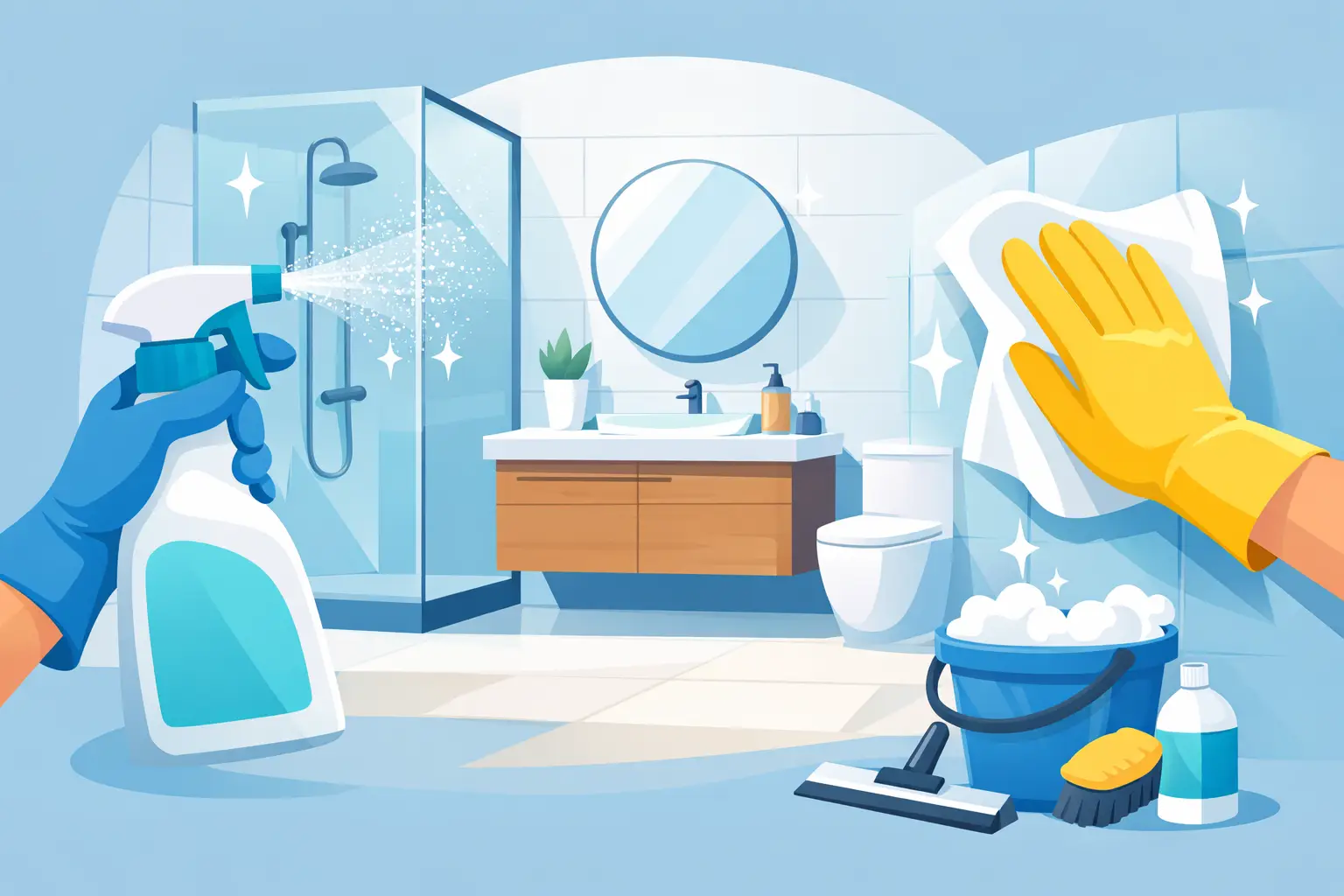
Keep a squeegee in the shower and use it on glass and smooth walls after bathing. Run the exhaust fan during showers and afterward. Wipe the vanity when you notice toothpaste or makeup residue, rather than allowing it to dry. These small actions take minutes and protect the finish of your investment.
Use cleaning products appropriate for the materials in your bathroom. Abrasive powders, harsh scouring pads, and acidic cleaners can dull certain surfaces or damage protective coatings over time. A mild, nonabrasive cleaner is usually the better choice for premium shower surrounds, glass, and fixtures. When in doubt, follow the care guidance supplied with the product.
A Bathroom Designed for Real Life
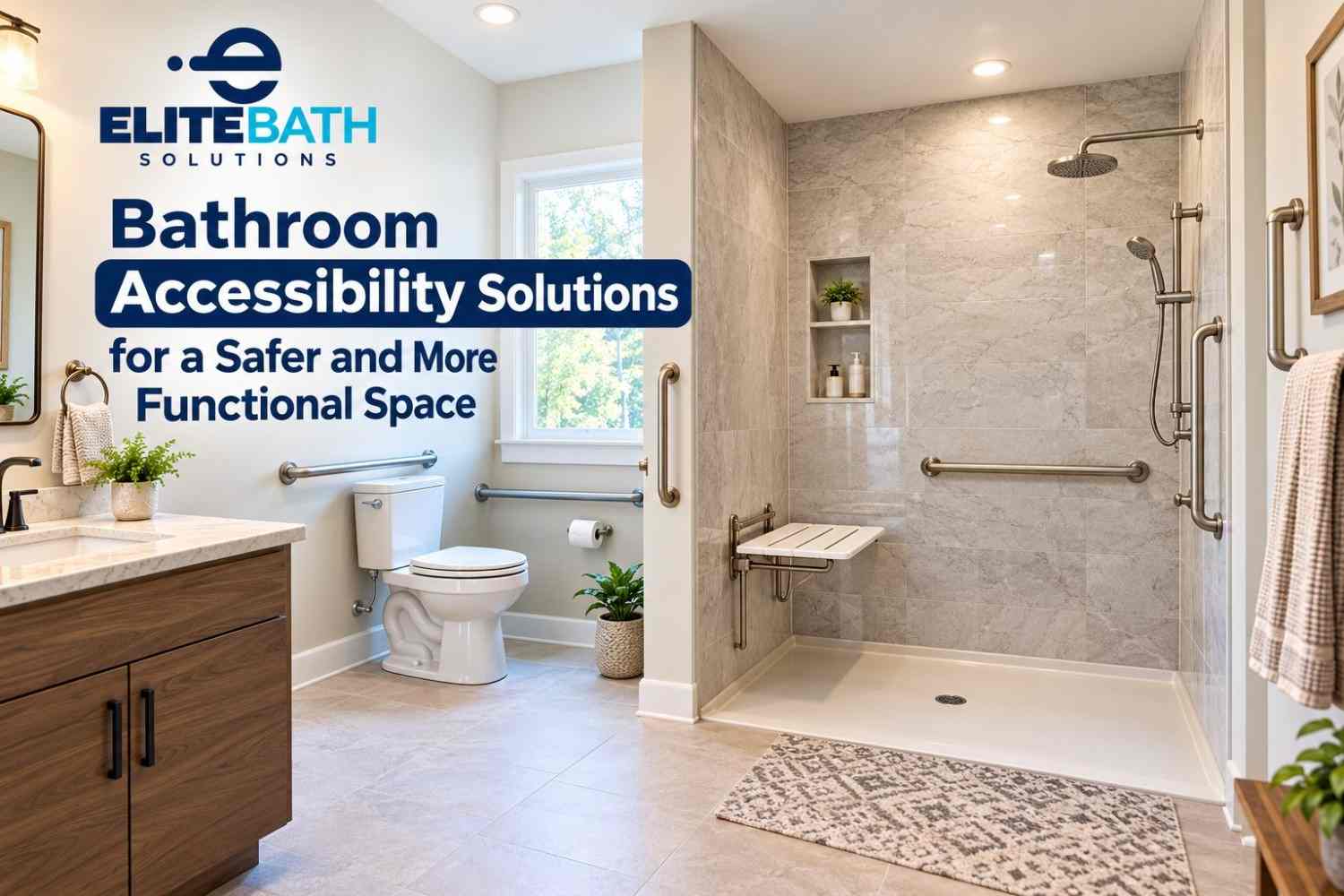
The easiest bathroom to clean is one that respects how your household lives. A guest bath may benefit from simple open access and durable finishes. A primary bath may call for a spacious custom shower, built-in storage, and a calm, low-maintenance design that feels like a daily retreat. For an aging homeowner, easy-entry access, secure footing, and surfaces that do not demand strenuous scrubbing can be just as important as appearance.
At Elite Bath Solutions, the focus is on bath and shower transformations that combine lasting beauty, waterproof performance, and easier upkeep. The right remodel can replace an outdated cleaning burden with a space that feels fresh, functional, and ready for everyday comfort.
A few thoughtful choices at the design stage can save years of work later. Choose surfaces you will enjoy living with, storage that keeps the room clear, and installation quality that keeps water where it belongs – then your bathroom can spend more time looking beautiful and far less time asking for attention.