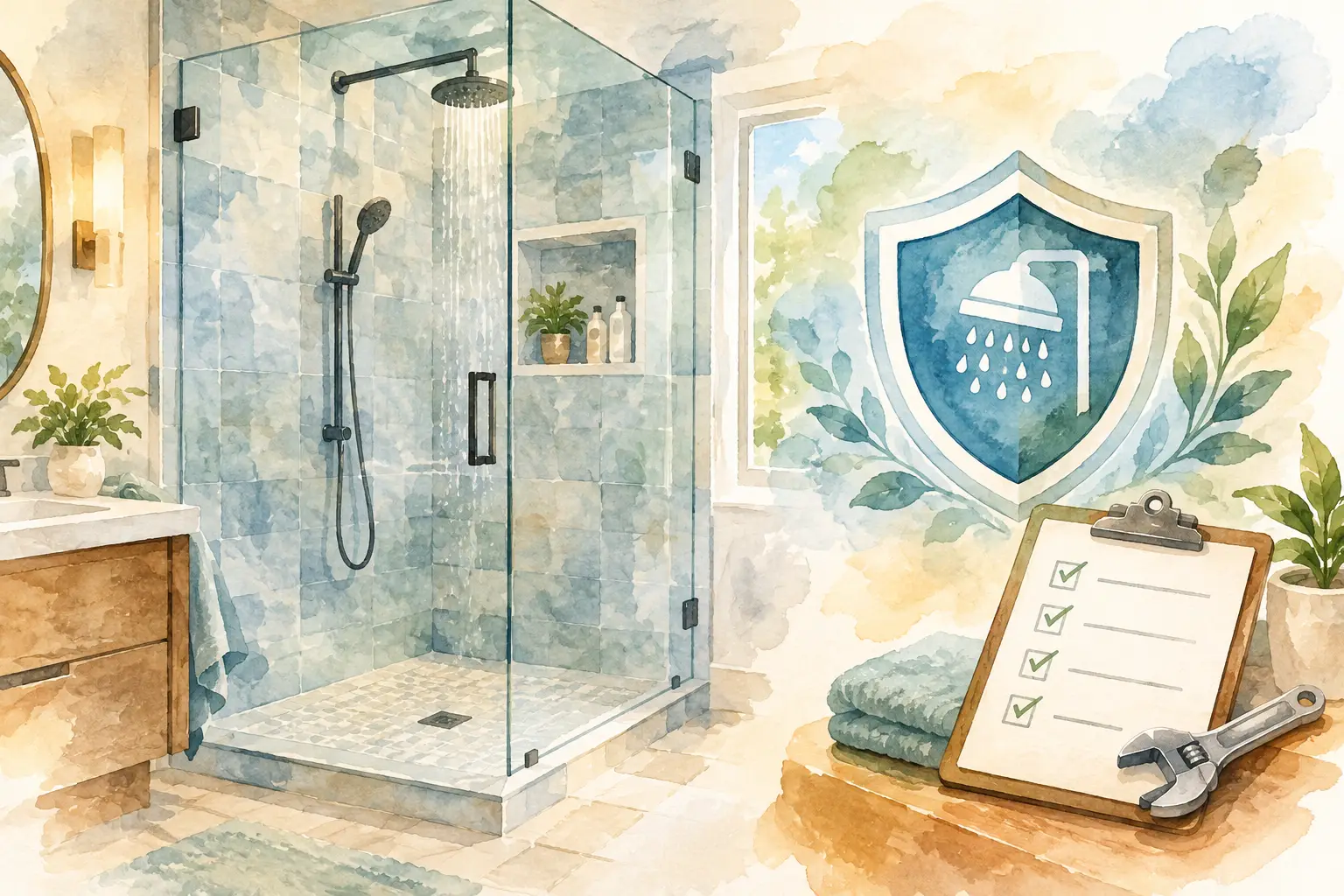
A shower can look beautiful on the surface and still create daily risks underneath. Slippery floors, high thresholds, poor lighting, and awkward layouts are often the real problem. If you are planning a remodel and wondering how to design a safer shower, the best approach is to think beyond appearance and build safety into every detail from the start.
For many homeowners, this becomes more urgent with age, after an injury, or simply when an outdated bathroom stops feeling comfortable. But a safer shower is not just for seniors or households with mobility concerns. It is a smart upgrade for anyone who wants a bathroom that feels easier to use, simpler to maintain, and better suited for long-term living.
How to design a safer shower starts with the layout
The safest showers usually feel the least complicated. That is not an accident. Good design reduces the number of movements that can lead to slips, strain, or balance issues.
Start with entry. Stepping over a tall tub wall or raised shower curb is one of the most common trouble spots in any bathroom. A low-threshold or barrier-free entry can make a dramatic difference because it removes the need to lift your feet high while stepping onto a wet surface. For aging homeowners or anyone recovering from surgery, that simple change can turn a stressful routine into a much more confident one.
Size matters too. A cramped shower forces twisting, reaching, and awkward positioning. A wider shower gives you more room to turn comfortably, use built-in safety features, and avoid bumping into walls or fixtures. If your current bathroom feels tight, a tub-to-shower conversion can often create a cleaner, more open footprint without making the room feel crowded.
There is a trade-off, of course. A fully open or curbless shower needs careful planning for drainage and water control. If it is designed poorly, water can escape into the rest of the bathroom. When it is designed well, though, it delivers both accessibility and a polished, modern look.
Choose slip-resistant surfaces, not just attractive ones
One of the biggest mistakes in shower remodeling is choosing materials based only on style. Glossy finishes and smooth tile may photograph well, but they are not always the safest option once soap and water enter the picture.
For the shower floor, slip-resistant materials should be a priority. Textured surfaces help improve footing without making the floor uncomfortable to stand on. Smaller floor tiles with more grout lines can also add traction, although grout does require more maintenance than some modern low-maintenance wall systems. If easy cleaning is high on your list, premium acrylic or engineered shower surfaces may offer a better balance of safety and upkeep.
The goal is not to make the shower feel rough or institutional. Today’s safer materials come in clean, stylish finishes that fit right into a high-end bathroom design. You should not have to choose between a spa-like look and practical safety.
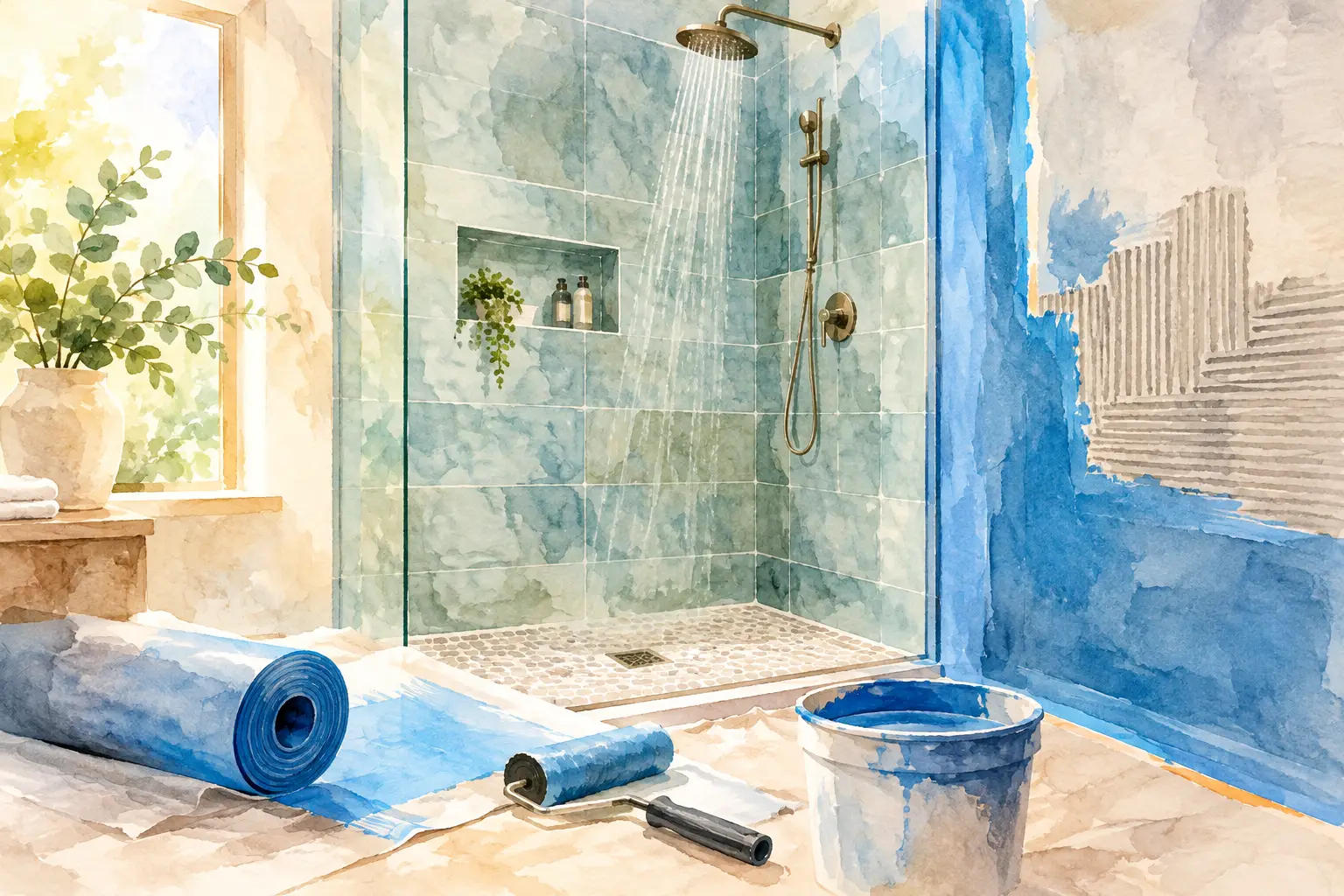
Wall materials matter as well. Low-maintenance, waterproof wall systems help reduce mold, mildew, and grime buildup that can make a shower harder to clean and less hygienic over time. A shower that is easier to maintain is more likely to stay safe day after day.
Add support where it actually helps
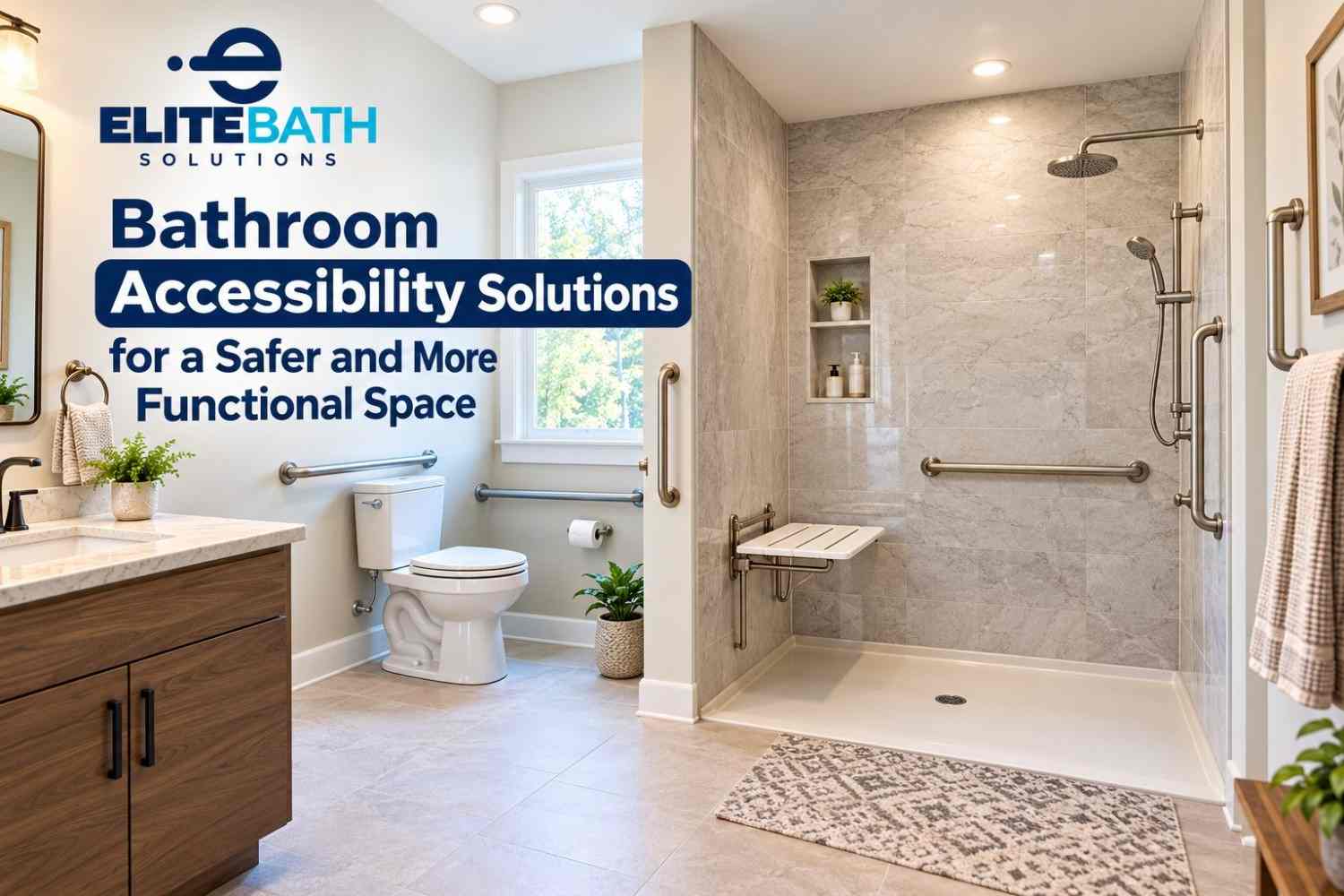
If grab bars still make you picture a hospital bathroom, it may be time to update that image. Modern grab bars come in finishes and profiles that blend naturally into upscale shower design. More importantly, they offer real support where people need it most.
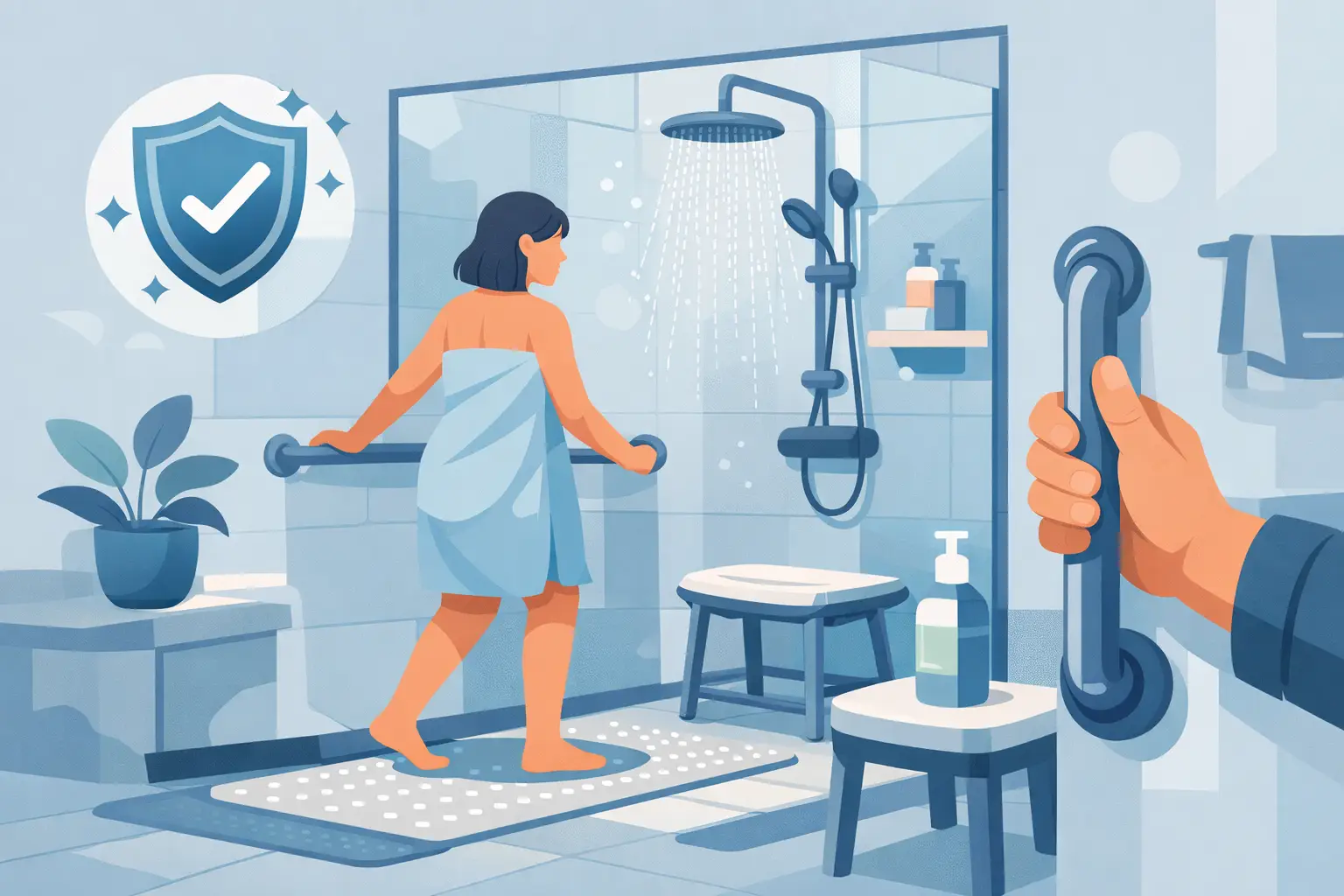
Placement is everything. A grab bar near the entry helps with stepping in and out. One along the main wall provides stability while standing and turning. Another near the controls or seating area can support balance during washing. What works best depends on who will use the shower and how.
This is where custom planning matters. Installing bars after the fact can limit your options, especially if the wall was not reinforced during the remodel. Building in structural support from the beginning allows the shower to adapt more easily if needs change later.
Handheld showerheads are another practical safety feature that often gets overlooked. They make it easier to rinse while seated, reduce unnecessary movement, and simplify cleaning. Paired with easy-to-reach controls, they can make the entire shower experience more comfortable.
Seating can improve both safety and comfort
A built-in bench or fold-down seat adds more than convenience. It creates a secure place to sit if standing for long periods feels tiring or unstable. That matters for older adults, but it also helps anyone dealing with fatigue, joint pain, balance concerns, or recovery from a medical procedure.
There is no single right choice between a permanent bench and a fold-down seat. A built-in bench can feel more luxurious and integrated into the design, especially in a larger custom shower. A fold-down seat saves space and works well in smaller layouts where flexibility matters.
What matters most is making sure the seat is positioned where it is easy to use without stretching toward controls or reaching awkwardly for soap and shampoo. A safer shower should support natural movement, not force workarounds.
Lighting and visibility deserve more attention
Many shower accidents have less to do with mobility and more to do with visibility. Shadows, glare, and dim lighting can make surfaces harder to read and edges harder to judge.
A safer shower should be well lit without feeling harsh. Overhead lighting helps, but placement matters. You want enough even illumination to clearly see the floor, controls, and entry point. If the bathroom layout allows natural light, that can also improve comfort and visibility.
Contrast can help too. When the shower floor, walls, and fixtures all blend together, depth becomes harder to perceive. A little visual definition between surfaces can make the space feel clearer and easier to navigate, especially for anyone with vision changes.
Control water temperature and flow
Hot water can become a safety issue faster than many homeowners realize. Sudden temperature changes are uncomfortable at best and dangerous at worst, especially for children and older adults with more sensitive skin.
Pressure-balanced or thermostatic valves help maintain a steady temperature and reduce the risk of scalding. This is one of those upgrades people rarely think about until they experience it, then wonder why they waited so long.
Shower controls should also be easy to reach from both outside and inside the spray area when possible. That way, you can turn on the water and adjust it before stepping fully into the shower stream. It sounds like a small detail, but it adds comfort and control to the routine.
Storage should reduce clutter, not create it
Bottles on the floor are an obvious hazard, yet many older showers practically invite clutter. If there is no built-in storage, shampoo, soap, and razors end up stacked in corners or balanced on tub ledges.
A safer shower includes storage that keeps essentials within reach without crowding the space. Recessed niches, corner shelves, and thoughtfully placed ledges help keep the floor clear and daily routines simpler. The right storage also reduces bending and stretching, which can be a bigger issue than many people expect.
This is another area where custom design pays off. Storage should match how you actually use the shower, not just fill an empty wall.
Think about who needs the shower now and later
The best shower designs work well today and still make sense years from now. That does not mean every bathroom needs to look like a fully accessible wet room. It means planning with a little foresight.
If you are remodeling a forever home, universal design features are worth serious consideration. A low threshold, wider entry, slip-resistant floor, reinforced walls, and comfortable seating can all fit into a stylish, premium shower without making it feel overly specialized.
For families, the priorities may be different. Parents may want easier bathing for children now, while also investing in a layout that supports aging in place later. For resale, buyers increasingly appreciate bathrooms that feel open, clean, and easier to use.
That is why safer shower design is rarely about one feature. It is the combination of entry, flooring, support, lighting, storage, and materials working together.
When professional design makes the difference
A safer shower is not just a product choice. It is a design decision. Even high-quality materials can fall short if the layout is awkward or the details are poorly planned.
Working with a bath specialist can help you avoid common mistakes like choosing a slick floor, placing controls too far away, or missing the opportunity to reinforce walls for future grab bars. A company focused specifically on bath and shower remodeling, like Elite Bath Solutions, can often spot risks and solutions faster than a general contractor because this is the space they work in every day.
The strongest remodels combine safety, style, and convenience without making the bathroom feel clinical. That is the sweet spot most homeowners want – a shower that looks elevated, feels comfortable, and supports peace of mind every single day.
If your current shower makes you pause before stepping in, that hesitation is worth listening to. The right design can replace that daily uncertainty with comfort that feels natural from the moment the remodel is complete.