That tired tub surround may look like a simple cosmetic problem, but the material you choose affects how your bathroom feels, cleans, and holds up for years. In the acrylic versus fiberglass decision, the right answer depends on your priorities: long-term durability, upfront budget, comfort, style, or the fastest path to a beautiful new bathing space.
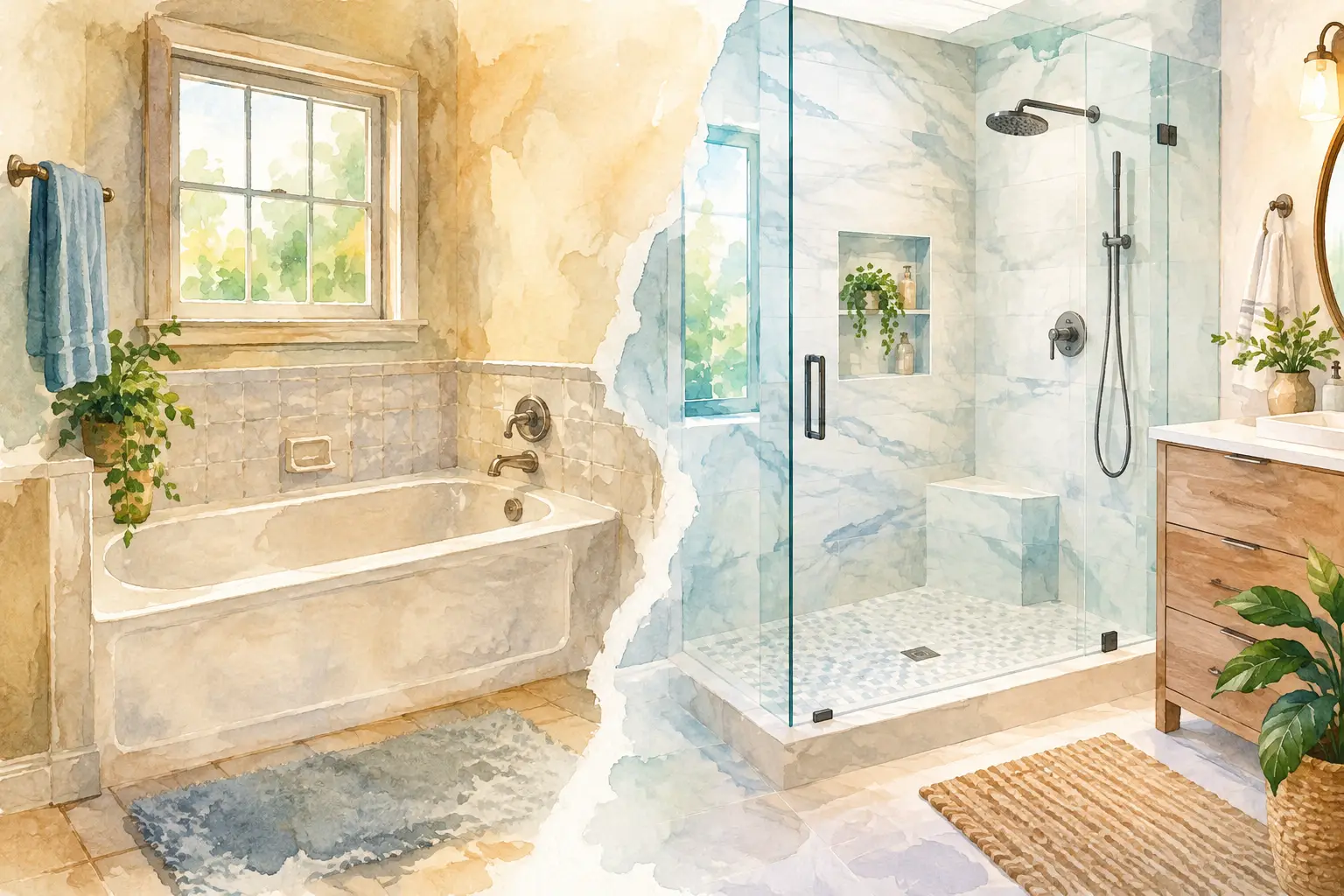
For homeowners in Woodstock and North Metro Atlanta, this is often part of a bigger decision. You may be replacing a dated bathtub, converting a tub into a low-threshold shower, or creating a safer, more relaxing bathroom for the years ahead. Both acrylic and fiberglass can deliver a major visual transformation. The differences become clearer once you look beyond the showroom finish.
Acrylic Versus Fiberglass: The Core Difference
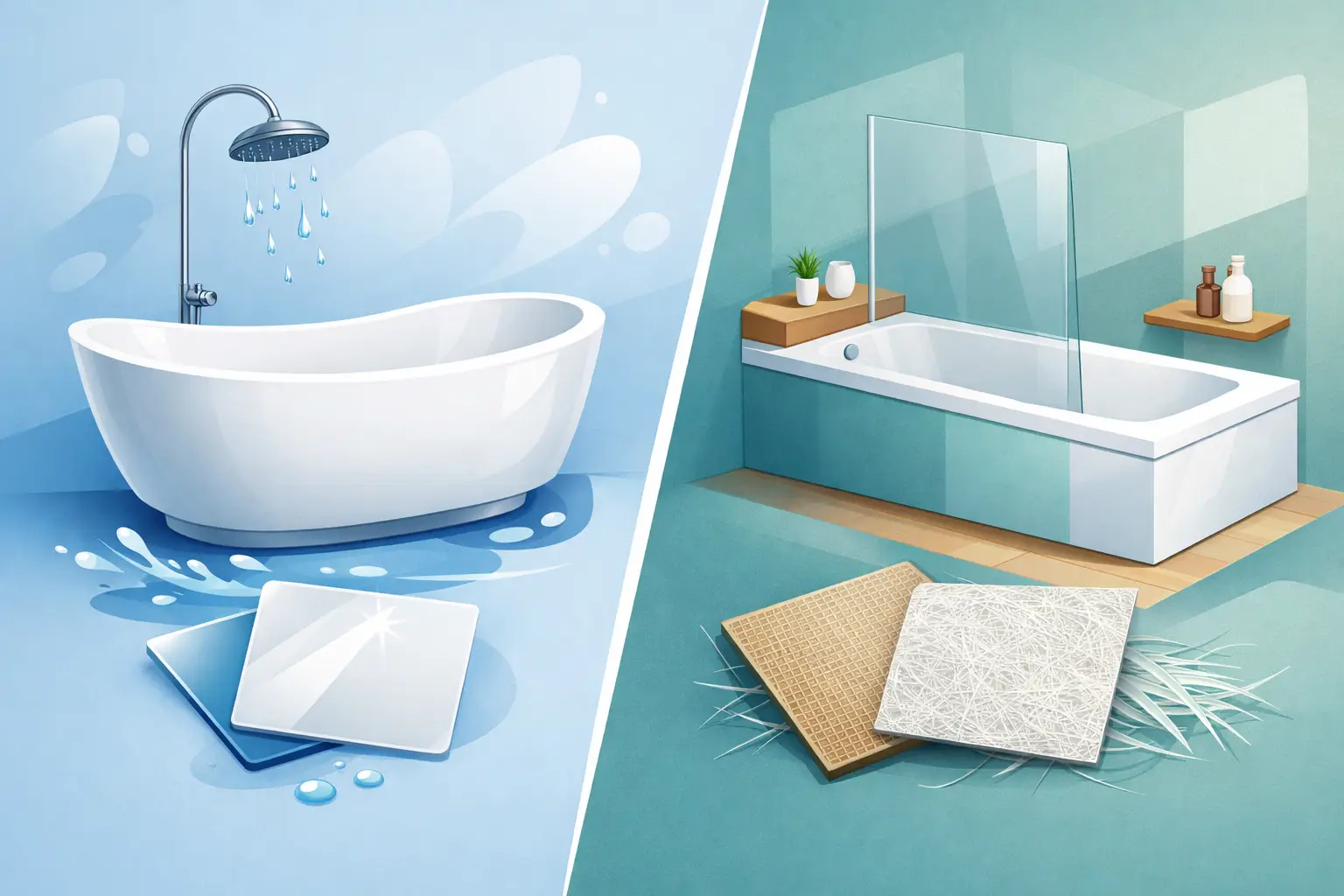
Acrylic and fiberglass bath products are both lightweight alternatives to heavy cast iron or steel. However, their surfaces and construction are different.
An acrylic tub or shower base begins with a sheet of acrylic that is heated and molded into shape. That surface is then reinforced from underneath, commonly with fiberglass and resin, to add structural support. The result is a glossy, nonporous finish with a substantial feel when it is properly installed and supported.
A fiberglass unit is generally formed from layers of fiberglass and resin, then finished with a gelcoat surface. It is also lightweight and practical, which has made it a familiar choice in many homes. Fiberglass products are often more economical, but the thinner surface can be more vulnerable to wear over time.
The distinction matters because the top layer is what you see, touch, and clean every day. It also plays a large role in how well the fixture resists staining, fading, scratches, and cracks.
Why Acrylic Is Often the Premium Choice
Acrylic is a strong fit for homeowners who want their bath upgrade to remain polished and inviting over the long haul. The material has a warmer feel than fiberglass, which is noticeable when you step into a shower on a cool Georgia morning or settle into a bath at the end of a long day.
Its nonporous surface also makes routine maintenance easier. Soap residue and grime have fewer places to cling, so regular cleaning usually requires a soft cloth or sponge and a nonabrasive cleaner. That is a meaningful advantage for busy households and for anyone who wants a bathroom that looks clean without constant scrubbing.
Acrylic typically offers better resistance to discoloration and surface wear than standard fiberglass. It is not indestructible – abrasive powders, harsh chemicals, and sharp impacts can still damage it – but small scratches can often be polished or repaired. When paired with a professionally installed wall system, it can provide the clean, upscale appearance many homeowners want from a modern bath makeover.
There is also more design flexibility in many acrylic product lines. Homeowners may find more choices in tub shapes, shower bases, wall patterns, shelving, grab bars, seating, and fixtures. If you are planning a custom shower or want your tub-to-shower conversion to feel tailored to your home rather than builder-basic, acrylic can support that goal.
The trade-off is cost. Quality acrylic products and proper installation generally cost more than entry-level fiberglass. That higher initial investment often makes sense when durability, appearance, and easy care are high on your list.
Where Fiberglass Makes Sense
Fiberglass remains a practical option, particularly when budget is the deciding factor. It is lightweight, widely available, and usually less expensive to purchase. In a guest bathroom, rental property, or short-term refresh where the goal is a clean functional update at the lowest possible cost, fiberglass may be the right fit.
Because it is lightweight, fiberglass can also be easier to handle during installation. That does not mean installation quality is less important. A tub or shower base still needs the correct support underneath it, precise leveling, and careful sealing around every edge. Without that foundation, even a new fixture can flex, creak, or develop stress damage prematurely.
The downside is that fiberglass gelcoat can show its age sooner. Over time, it may become dull, develop fine cracks, fade, or stain more easily than acrylic. It can also feel less solid underfoot if it is not adequately supported. Repairs are possible, but color matching and restoring a heavily worn gelcoat surface may be difficult.
Fiberglass is not a poor material. It is simply a material that asks homeowners to accept more maintenance and a potentially shorter cosmetic lifespan in exchange for a lower initial price.
Comfort, Safety, and Daily Use
The best bathroom materials are not chosen in a vacuum. Consider who uses the space and how they use it.
For a family bathroom, acrylic’s easier cleaning and stronger resistance to everyday wear can be worth the investment. Kids, pets, dropped bottles, bath toys, and frequent showers create plenty of opportunities for surface damage. A material that stays bright and smooth with ordinary care brings welcome peace of mind.
For aging homeowners, the conversation often shifts from material alone to the complete bathing experience. A low-threshold shower, textured shower base, built-in seating, handheld showerhead, and thoughtfully placed grab bars can make a much larger difference in safety than whether the walls are acrylic or fiberglass. Still, an acrylic system can provide an attractive, low-maintenance foundation for an accessible design that feels like a spa oasis rather than a clinical renovation.
Comfort underfoot matters, too. Acrylic generally feels warmer and can offer a more solid, substantial experience. Fiberglass can work well, but it benefits from expert support and installation to avoid excessive flexing.
Installation Quality Matters as Much as Material
A premium bath product cannot overcome a poor installation. Water can find its way behind improperly sealed walls, around fixtures, or beneath a shower base, leading to hidden damage that is far more expensive than the original upgrade.
That is why a specialized bath remodeler evaluates more than the visible surface. The existing tub or shower area should be measured carefully, plumbing should be assessed, and the surrounding walls and floor should be inspected for signs of moisture damage. The installer must create a stable, waterproof assembly before the final panels, fixtures, and accessories are completed.
A fast installation can be a major advantage, especially when a household depends on the bathroom every day. In many cases, a focused bath renovation can be completed in as little as one day. However, a responsible contractor will be honest when plumbing changes, structural repairs, custom work, or subfloor issues require more time. Speed should never come at the expense of waterproofing or craftsmanship.
At Elite Bath Solutions, the goal is not simply to place a new surface over an old problem. It is to create a polished, durable bathing space backed by expert installation and a full lifetime warranty covering products, labor, and materials.
Cost: Look Beyond the Initial Price
Fiberglass usually wins on purchase price, while acrylic often wins on long-term value. But material cost is only one part of a bathroom remodeling budget.
The final investment can change based on the size of the space, whether you are keeping a tub or choosing a shower conversion, plumbing relocation, wall repairs, accessibility upgrades, fixture selections, and custom storage. A basic fiberglass replacement may cost less upfront, but repeated repairs or an earlier replacement can reduce those initial savings.
Acrylic may cost more at the beginning, yet it can be the smarter choice for a primary bathroom where you want lasting beauty, easy maintenance, and a stronger impression for future buyers. If financing is part of your plan, it can also make sense to focus on the material and features you truly want rather than settling for a solution that feels temporary.
How to Choose the Right Material for Your Home
Choose acrylic when you want a premium finish, simple cleaning, stronger resistance to stains and wear, and design options that support a long-term remodel. It is especially well suited to primary baths, frequent-use family bathrooms, tub-to-shower conversions, and accessibility-focused upgrades.
Choose fiberglass when keeping upfront costs low is the leading priority and the bathroom will receive lighter use. It can be a sensible solution for a guest bath or a straightforward replacement, provided it is installed with the right support and sealed correctly.
Before making the final call, look at full-size samples rather than relying only on photos. Feel the surface, ask how it should be cleaned, and ask what is included behind the walls as well as what is visible in front of them. The best remodel is one that fits your home, your routine, and your confidence in the installer.
A bathroom should make daily life easier from the first shower to the thousandth. Choose the material that gives you confidence every time you step into the space – then let skilled installation turn that choice into a bathroom you will be proud to enjoy.