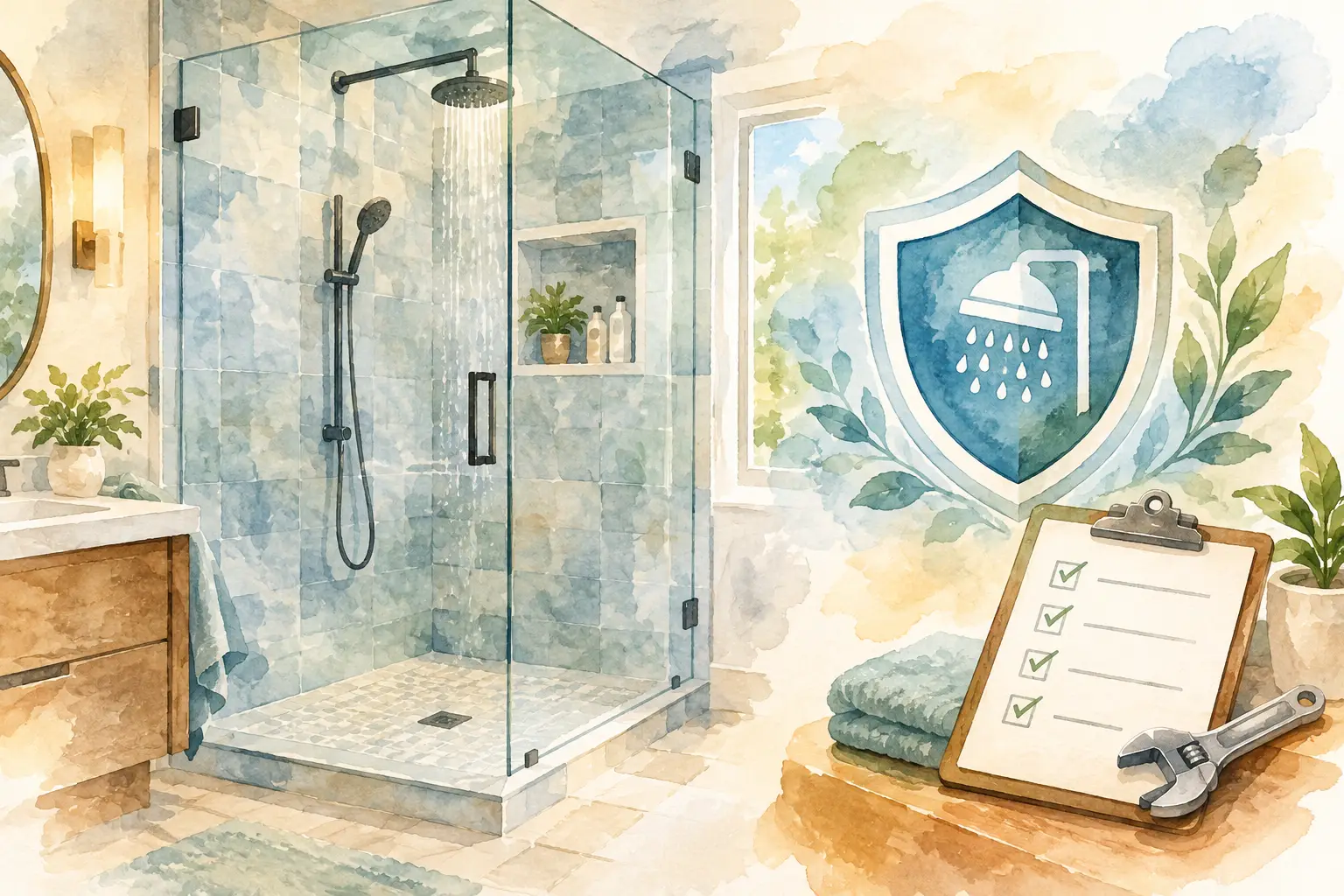
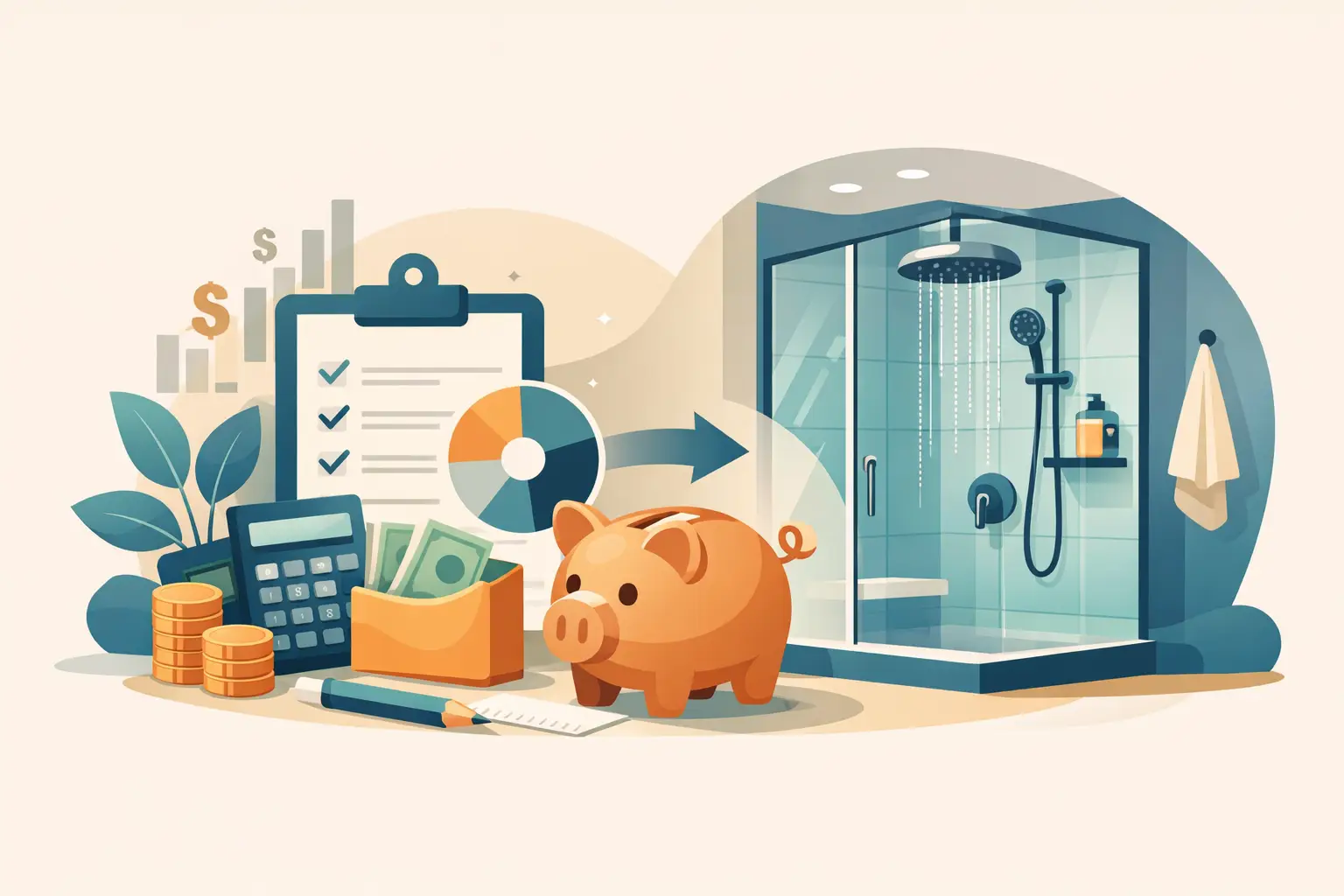
A shower that is stained, cramped, difficult to clean, or unsafe changes more than the look of your bathroom. It can make every morning feel less comfortable and turn a space meant for relaxation into another chore. Learning how to budget shower upgrades helps you make room for a beautiful transformation without paying for features that do not serve your household.
For homeowners in Woodstock and across North Metro Atlanta, the most reliable budget is not built around the lowest advertised price. It is built around the right scope, durable materials, clear installation details, and a plan that protects you from costly surprises.
Start With the Upgrade That Solves the Real Problem
Before assigning a dollar amount, decide what your shower needs to do better. A cosmetic refresh has a different budget than a tub-to-shower conversion, a custom walk-in shower, or an accessibility-focused renovation. Trying to solve every possible issue at once can stretch a budget quickly, while focusing on the problem you live with every day leads to smarter decisions.
For example, a homeowner may want a more modern bathroom but actually need easier entry, more elbow room, and surfaces that do not trap grime. In that case, a low-threshold shower, built-in storage, and low-maintenance wall surrounds may bring more value than decorative upgrades alone.
Think through these questions before your consultation: Is the current shower leaking or showing mold damage? Is stepping over a tub wall becoming uncomfortable? Do you need a faster-cleaning surface for a busy family bathroom? Are you planning to stay in the home long term? Your answers will help separate must-haves from nice-to-haves.
How to Budget Shower Upgrades in the Right Order
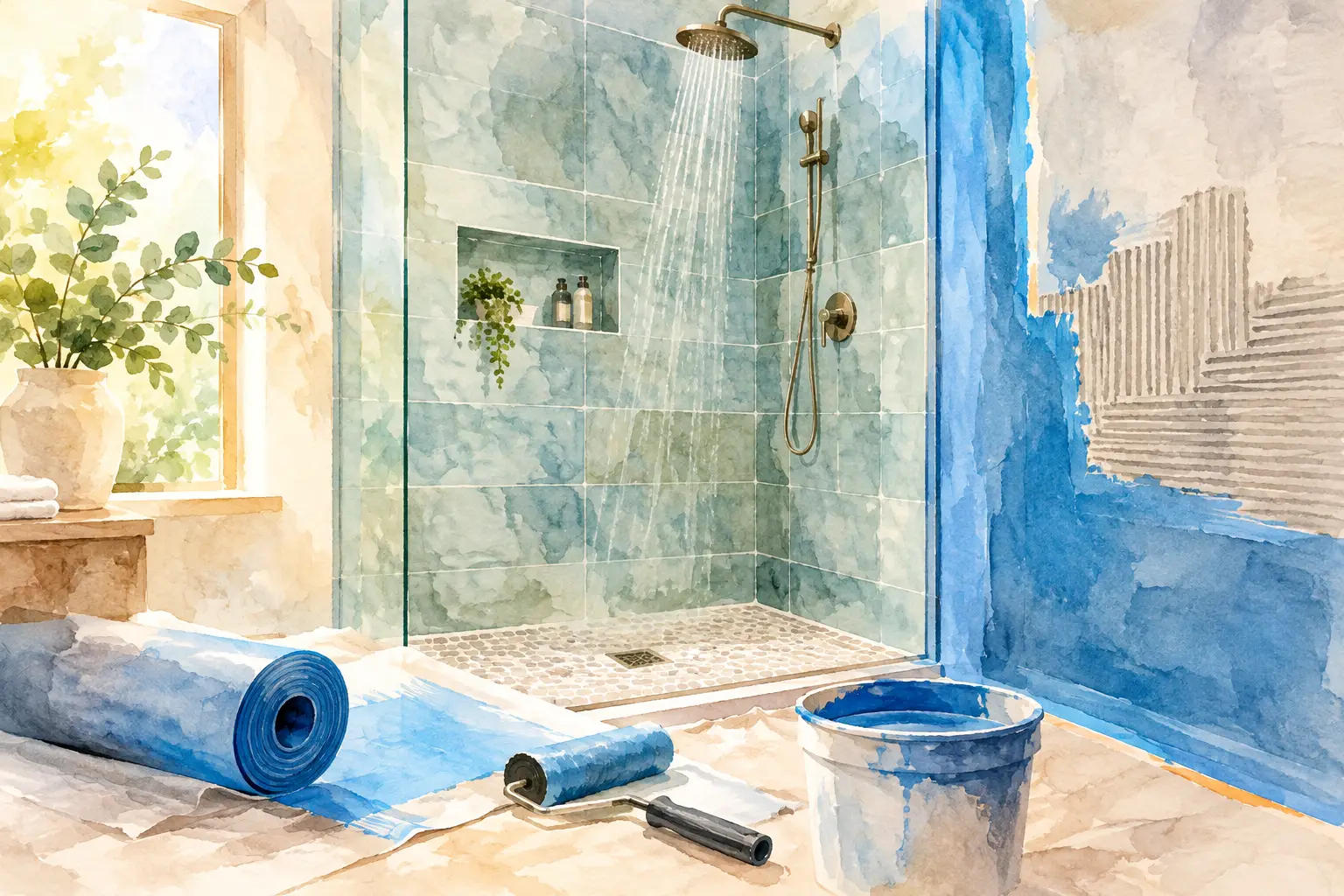
A practical shower budget gives every dollar a job. Start with the work that protects your home, then fund the features that improve daily use, and finally consider finishing details. Waterproofing, sound installation practices, and quality materials should never be treated as optional extras. They are what keep a new shower looking and performing the way it should.
A useful way to organize the conversation is to divide your project into four areas:
- Core installation: demolition, shower base or pan, wall system, waterproofing, plumbing connections, and professional labor.
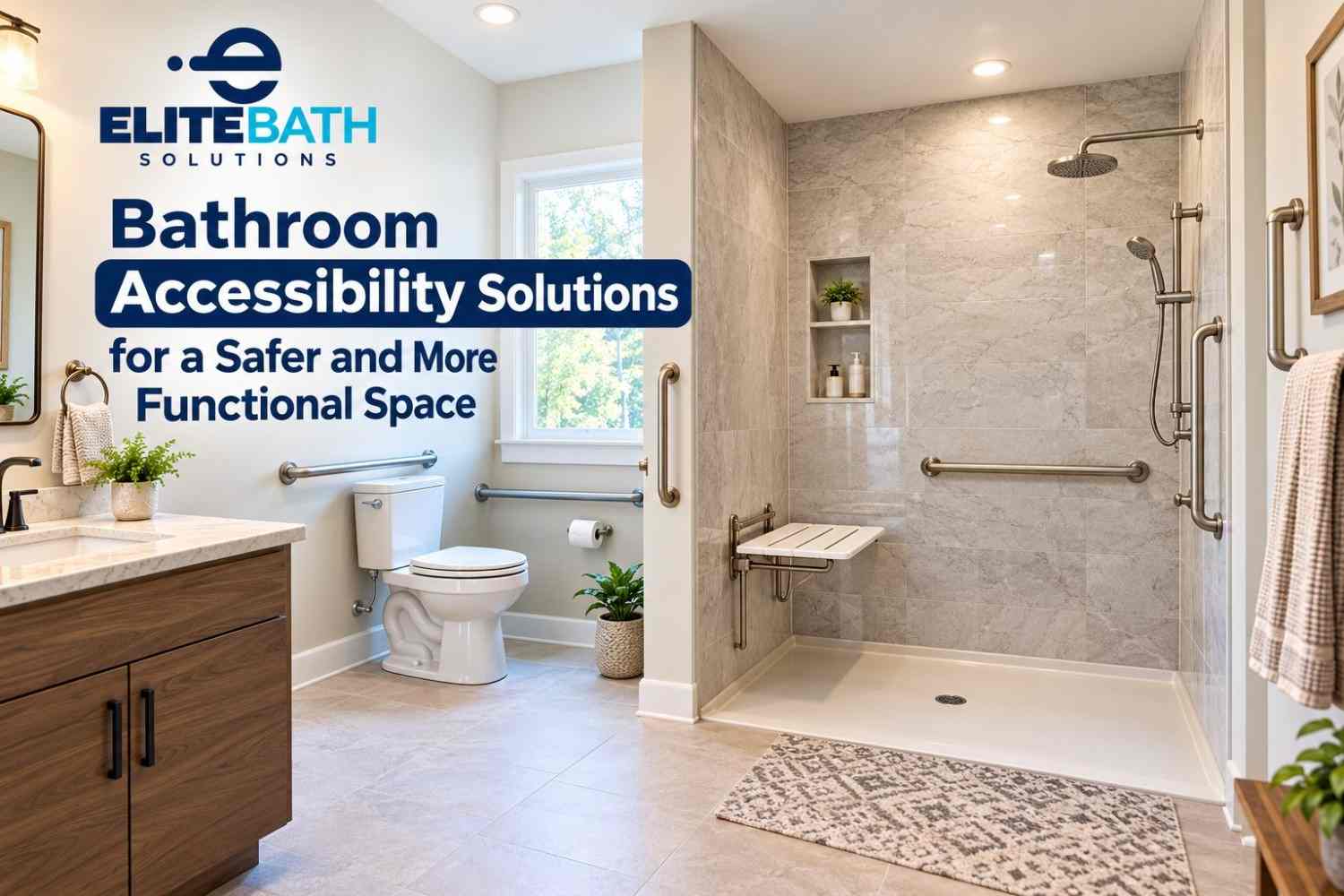
- Function and safety: low-threshold entry, grab bars, seating, slip-resistant flooring, handheld showerheads, and improved lighting.
- Storage and comfort: recessed shelving, corner caddies, shower doors, better ventilation, and upgraded fixtures.
- Design choices: wall color and texture, trim finish, glass style, decorative accents, and coordinated hardware.
This order matters. A striking tile pattern will not compensate for a poorly protected shower enclosure, and an inexpensive fixture may become frustrating if it is difficult to use or maintain. Build the foundation first, then choose the details that make the room feel like your personal spa oasis.
Set a Realistic Range, Not One Rigid Number
A single fixed number can make budgeting harder because shower projects vary widely. The condition of the existing bathroom, the size of the shower, plumbing needs, material selections, and accessibility features all influence the final investment. Instead, establish a comfortable range with a clear upper limit.
Your lower number should cover a dependable solution that handles the essentials. Your upper number can account for the upgrades that would make the project feel complete, such as custom storage, premium hardware, a glass enclosure, or a conversion from tub to shower.
It also helps to reserve a contingency amount for conditions that cannot be confirmed until old materials are removed. Water damage behind walls, aging plumbing connections, and uneven subfloors are not guaranteed problems, but they are worth planning for in an older home. A transparent bathroom specialist will explain where these possibilities exist rather than promising an unrealistically simple project.
If your preferred design lands above your comfort range, adjust the scope before compromising on the shower’s underlying quality. You might choose a streamlined wall system now and add a more decorative mirror or vanity later. You may also keep the existing layout rather than moving plumbing, which can significantly reduce labor and complexity.
Understand What Drives the Price
The biggest budget decisions are often not the most visible ones. Changing the footprint of a shower, relocating a drain, moving water lines, or opening structural walls can add time and cost. Keeping the plumbing in its current location is often one of the most effective ways to control the investment.
Material choice matters, too. Premium acrylic and composite shower systems are designed for durability, easy cleaning, and a polished finished appearance. They can be an excellent fit for homeowners who want a low-maintenance bath without the upkeep that comes with extensive grout lines. Tile offers a highly customized look, but it may require more installation time and ongoing maintenance depending on the design.
Glass is another area where the trade-off is clear. A framed or sliding door can be a practical, budget-conscious choice, while a larger frameless glass enclosure creates an open, high-end look but typically costs more. Neither is automatically better. The right choice depends on the room’s layout, who uses the shower, and how much maintenance you want.
Accessibility features should be evaluated as long-term value, not merely as add-ons. A low-entry shower, secure grab bars, a built-in seat, and a handheld showerhead can make the space safer for aging homeowners, guests, and anyone recovering from an injury. When included during the initial remodel, these improvements are usually more cohesive and cost-effective than retrofitting later.
Compare Proposals Beyond the Bottom Line
When you receive estimates, compare what is included instead of simply comparing the final totals. A lower proposal may leave out demolition, plumbing work, wall repairs, disposal, accessories, permits when required, or warranty coverage. Those omissions can change the true cost of the project.
Ask each contractor to explain the shower system, installation process, timeline, cleanup plan, and protection for the rest of your home. You should also understand exactly what warranty coverage applies to products, labor, and materials. A shower remodel is a high-use upgrade, so long-term protection has real financial value.
Specialization can make a meaningful difference here. A company focused exclusively on baths and showers is equipped to anticipate the details that shape both performance and appearance. Elite Bath Solutions helps homeowners evaluate layouts, materials, and accessibility options in a guided consultation, so the finished plan reflects their priorities instead of a generic package.
Use Financing Carefully, If It Fits Your Plan
Financing can make a needed shower upgrade more manageable, especially when the current bath has safety concerns or water damage that should not wait. However, the monthly payment should support your budget, not disguise an oversized project.
Review the loan term, interest rate, promotional period if applicable, and total amount paid over time. Decide what monthly payment feels comfortable before selecting upgrades. If a feature pushes the payment beyond that number, ask whether there is a durable alternative that achieves a similar function.
There is nothing wrong with choosing a phased approach. Complete the shower conversion, waterproofing, and safety upgrades first. Then plan cosmetic changes elsewhere in the bathroom when the time is right. A finished shower that is clean, beautiful, and easy to use delivers immediate daily value on its own.
Spend Where You Will Feel It Every Day
The best shower budget is personal. A family with two teenagers may prioritize easy-clean wall surfaces and storage. A homeowner planning to age in place may put more value on a low threshold and secure seating. Someone updating a primary bath may choose a larger shower and upgraded glass because that is where the greatest daily enjoyment lies.
Choose features that reduce frustration, improve safety, and make the room feel more like yours. When the essentials are protected and the choices fit the way you live, a shower upgrade becomes more than a renovation line item. It becomes a dependable, comfortable part of home life for years to come.