A bathroom remodel often comes down to one decision that affects everything else – how the shower walls will look, feel, and hold up over time. When homeowners compare acrylic shower walls vs tile, they are usually balancing two very real priorities: a beautiful finished space and a shower that is easy to live with every day.
That is why this choice matters more than it seems at first glance. The wall material influences maintenance, installation time, long-term waterproofing, design flexibility, and even how stressful the remodel feels while it is happening. If you want a bathroom that looks elevated without turning into a cleaning project every weekend, the right answer depends on how you use your space and what you expect from it.
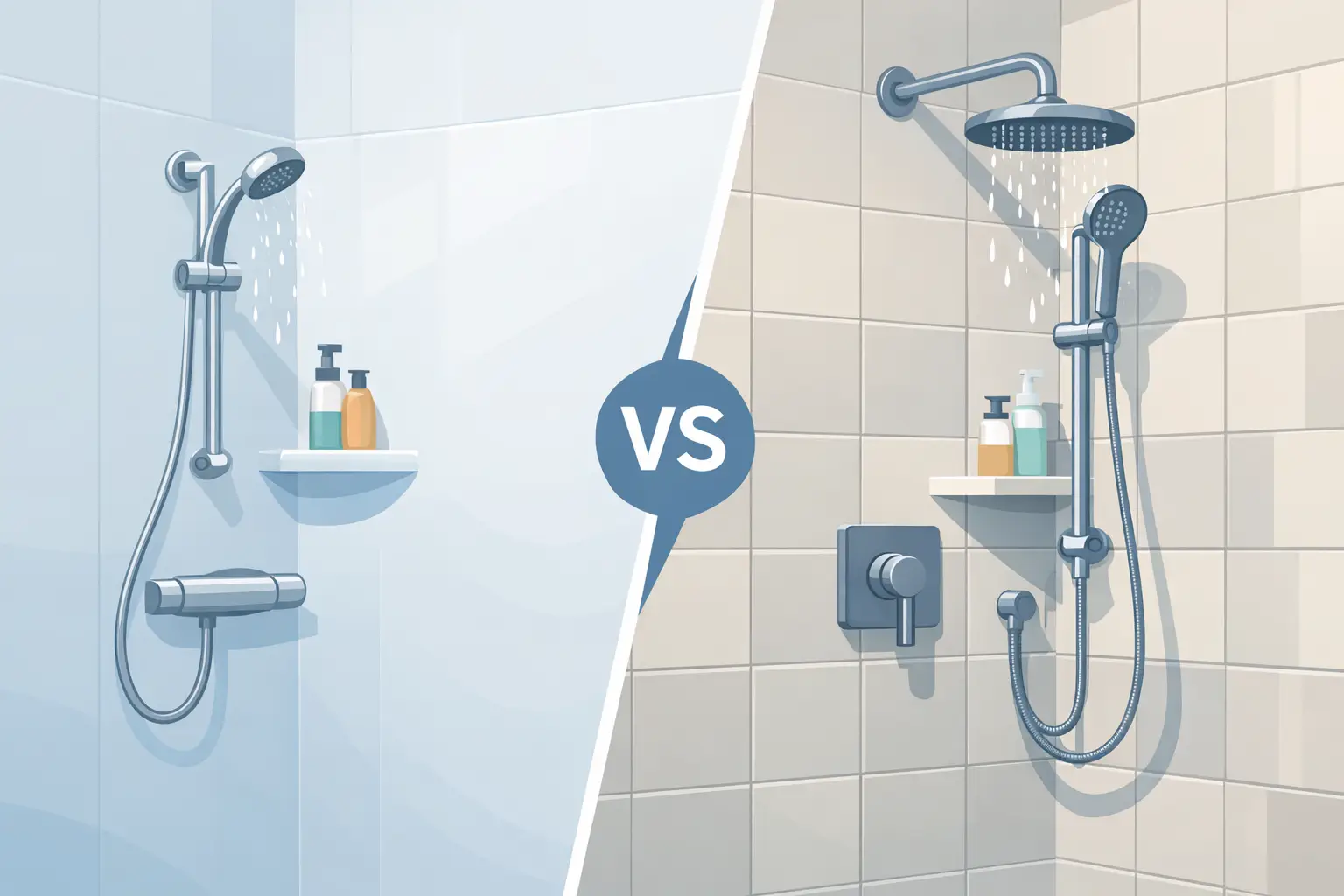
Acrylic shower walls vs tile: the real difference
At a glance, tile often wins people over on style, while acrylic stands out for convenience. But the better comparison is not just appearance. It is performance.
Acrylic shower walls are manufactured panels designed to create a clean, waterproof surround with minimal seams. They are built for easy upkeep, quick installation, and a polished look that works well in both simple updates and more upscale remodels. Tile, by contrast, is installed piece by piece and offers nearly endless visual customization. It can create a high-end, custom appearance, but it also introduces grout lines, longer labor time, and more opportunities for ongoing maintenance.
In other words, this is not a battle between good and bad. It is a choice between two different remodeling experiences.
Where acrylic shower walls have the advantage
For many homeowners, acrylic makes sense because it removes friction from daily life. The surface is smooth, nonporous, and much easier to keep clean than grout-heavy tile walls. In busy households, that matters. In aging-in-place remodels, it matters even more, because low-maintenance design is often part of long-term comfort and safety.
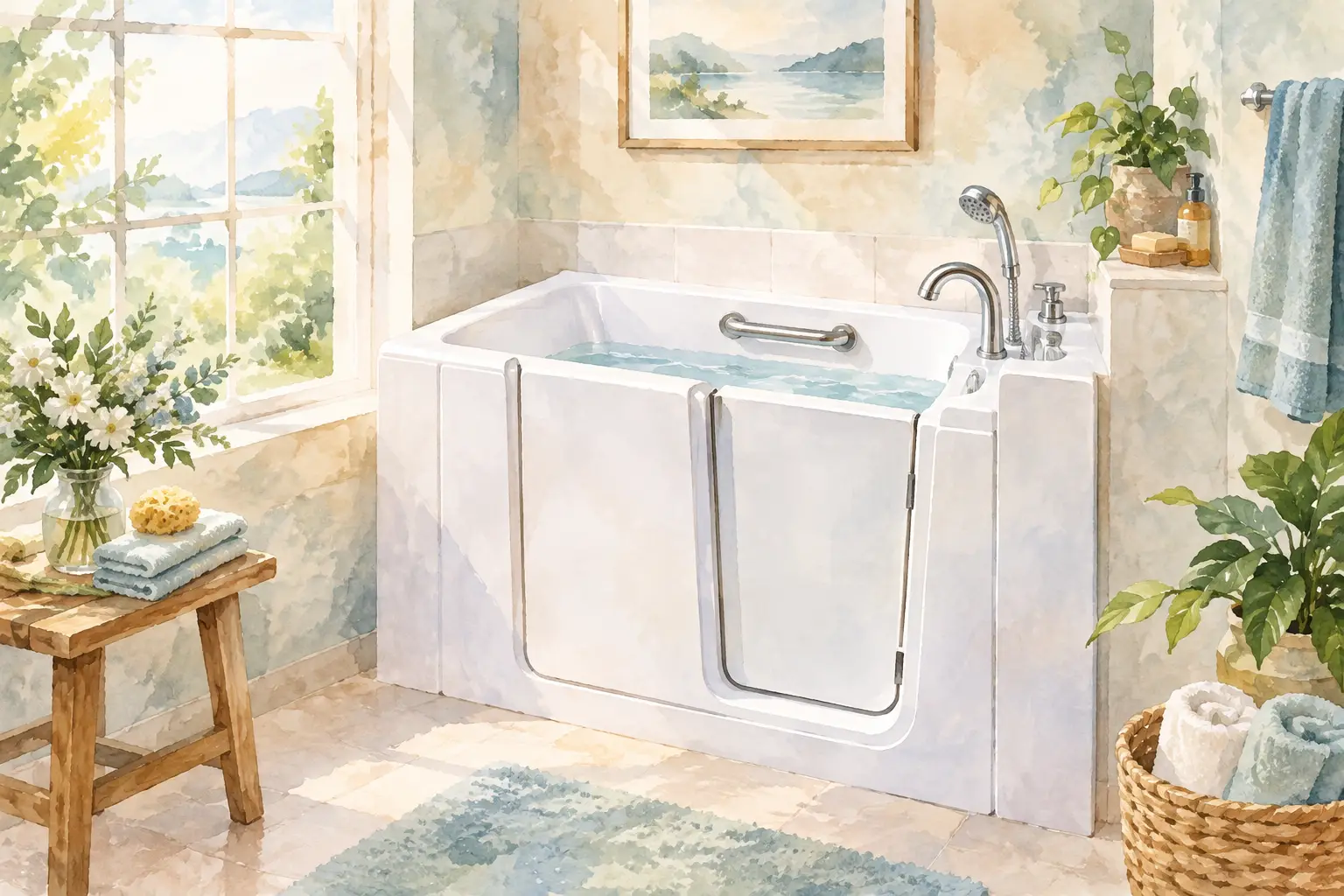
Installation speed is another major advantage. Because acrylic systems use large wall panels instead of hundreds of individual pieces, remodel timelines are often much shorter. That can mean less disruption to your home and a faster return to normal. If you are replacing an old tub, converting to a walk-in shower, or updating a bathroom that feels dated and cramped, speed can be a real value point, not just a convenience.
Acrylic also performs well in moisture-heavy environments. With fewer seams, there are fewer places for water intrusion to start. That supports a cleaner, more watertight installation when the system is installed correctly. For homeowners who want peace of mind and a straightforward ownership experience, this is one of the strongest reasons to choose it.
There is also a style misconception worth clearing up. Some people still picture acrylic as plain or builder-grade. Premium acrylic wall systems have come a long way. Many now offer modern patterns, clean lines, stone-inspired visuals, and design combinations that feel fresh rather than basic. If your goal is a bathroom that feels brighter, cleaner, and more current, acrylic can absolutely deliver that.
Where tile still stands out
Tile remains popular for a reason. It offers a custom look that is hard to replicate exactly with panel systems. If you want a specific pattern, decorative border, niche detail, or a truly one-of-a-kind finish, tile gives you more creative freedom.
That flexibility can be especially appealing in luxury-focused bathrooms where every design element is intentional. Tile can help create dramatic visual texture, bold color contrast, or a classic architectural style. For some homeowners, that level of customization is worth the extra cost and maintenance.
Tile can also be a strong fit if you are remodeling a bathroom where design originality is the top priority. A carefully selected tile layout can make the room feel custom in a way that stock materials often do not. The trade-off is that the beauty comes with more variables. Material selection, grout color, installation quality, sealing, and ongoing upkeep all play a larger role.
Maintenance is where the choice gets practical
Most homeowners do not regret choosing a style they love. They do regret choosing a surface that becomes frustrating to clean.
This is where acrylic tends to pull ahead. Because the walls are smooth and grout-free or nearly grout-free, routine cleaning is simpler. Soap residue and water spots still happen, of course, but they are easier to wipe away. There is less scrubbing, less staining, and less chance of mildew building up in grout joints.
Tile asks more from you over time. Grout can discolor. It may need sealing. Cracks or small failures in grout lines can allow moisture problems to develop if they are ignored. None of this means tile is a bad option. It just means tile rewards homeowners who are comfortable with maintenance and want the look enough to stay on top of it.
For families, professionals with packed schedules, and older adults who want a simpler routine, low-maintenance shower walls are often the more satisfying choice after the remodel is done.
Cost depends on more than materials
When people compare prices, they often focus on the material itself. That does not tell the whole story.
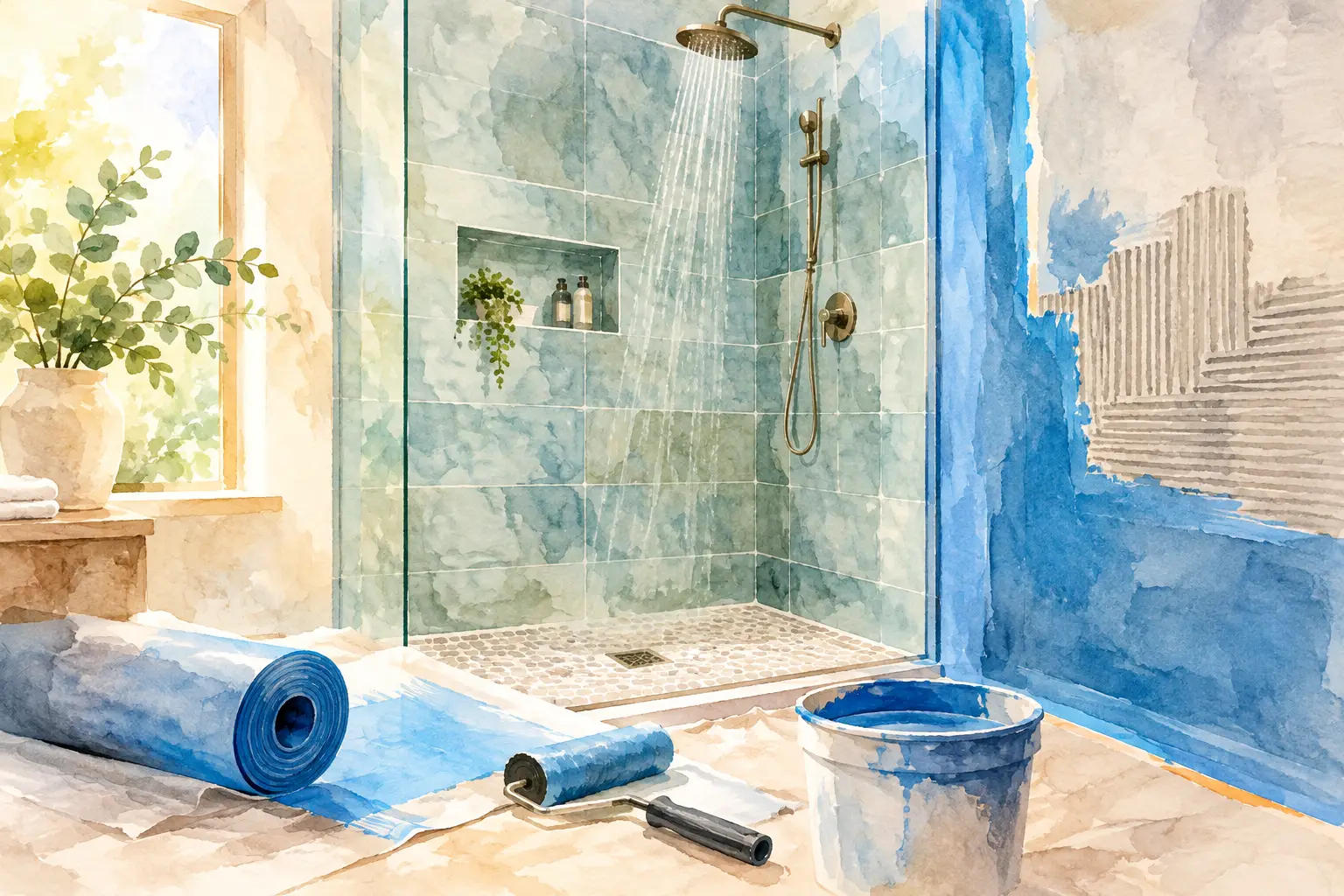
Tile can range widely in price depending on the product, pattern complexity, and labor involved. A basic tile may look affordable on paper, but labor costs can climb quickly, especially in custom layouts or larger shower spaces. Prep work, waterproofing layers, grout, trim details, and longer install times all add up.
Acrylic shower wall systems are often more predictable from a budgeting standpoint. Because installation is faster and the system is more streamlined, labor costs may be lower than a fully tiled surround. Long-term maintenance expenses may also be lower, since there is less sealing, repair, and grout upkeep to worry about.
If your goal is strong visual impact with better budget control, acrylic often offers a smart balance. If your goal is bespoke design and you are comfortable investing more up front and over time, tile may still be worth it.
Durability is not just about hardness
Tile is extremely durable as a surface, but that does not automatically make it the lower-risk option. Individual tiles can crack under impact, and grout lines remain a maintenance point even in well-built showers. The structure behind the tile and the quality of waterproofing matter tremendously.
Acrylic is not as hard as tile, but it is highly practical in real-world use. Quality acrylic systems are engineered for wet environments, resist mold and mildew better because of fewer seams, and hold up well when properly installed. For many homeowners, durability means fewer future headaches, not just a harder surface.
That is why specialist installation matters. A premium product performs best when it is matched with precise measuring, waterproof construction methods, and a team that works with bath systems every day instead of treating your shower like a side project.
Which option is better for resale?
Both can support home value when the remodel is done well. The better question is what buyers will notice.
A beautifully tiled shower can absolutely impress. So can a sleek, bright, professionally installed acrylic shower that feels modern, clean, and easy to maintain. In many cases, buyers respond more to the overall condition and design of the bathroom than to the wall material alone.
If the shower looks fresh, functions well, and fits the style of the home, either option can be an asset. If one choice leaves the bathroom looking dated or creates visible maintenance issues, that is where value starts to slip.
How to choose between acrylic shower walls and tile
If you want a custom artistic look and are comfortable with extra cleaning, tile may be the right fit. If you want a fast, beautiful upgrade with less maintenance and more day-to-day convenience, acrylic is often the stronger choice.
For many homeowners in Woodstock and the greater Atlanta area, the deciding factors are practical. They want the bathroom to look high-end, but they also want the project completed efficiently and backed by dependable materials. They want a shower that feels like an upgrade now and still feels like a smart decision years from now.
That is why acrylic has become such a popular solution in modern bath remodeling. It aligns with the way many people actually live. Less upkeep. Faster installation. Clean, attractive design. Reliable waterproof performance. Those benefits are hard to ignore.
The best remodel is not the one that sounds most impressive in a showroom. It is the one that fits your home, your schedule, and your expectations after the installers leave. If you are weighing acrylic shower walls vs tile, think beyond the first impression and picture your daily routine six months from now. That answer usually points you in the right direction.