A bathroom upgrade usually starts with one practical question, not a design trend: what will make daily life easier and safer? When homeowners compare a walk in tub versus shower, they are often weighing comfort, mobility, cleaning, space, and how long they want the bathroom to work for their needs.
For some households, a shower is the clear winner because it saves space and supports a faster routine. For others, a walk-in tub adds the confidence and comfort that standard tubs and high tub walls no longer provide. The right choice depends less on what looks good in a showroom and more on how you actually live.
Walk in tub versus shower: the biggest difference
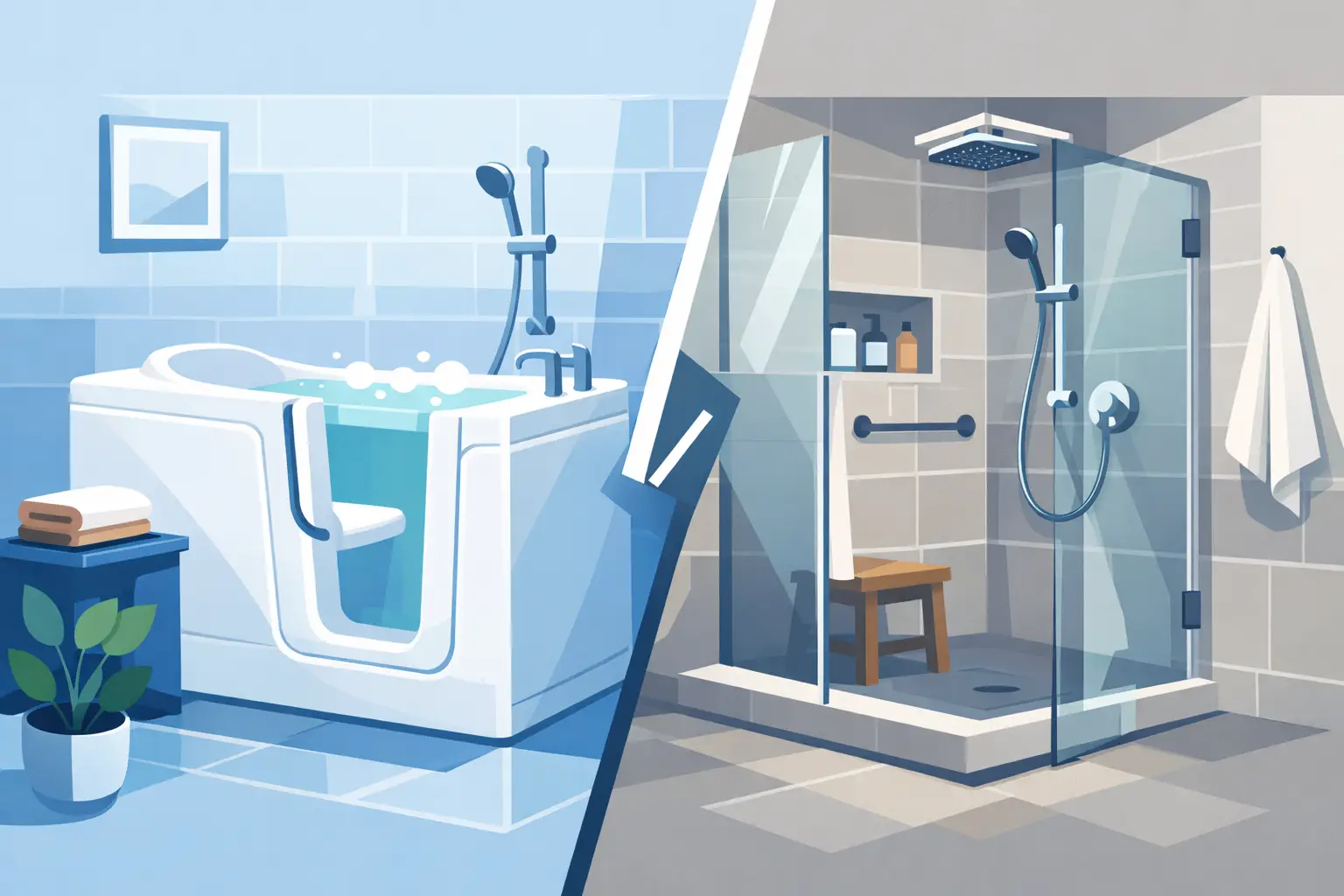
The core difference is how each option supports bathing. A walk-in tub is built for seated bathing, easier entry, and greater stability. It typically includes a watertight door, a low threshold, built-in seating, and safety-focused features like grab bars and slip-resistant flooring.
A shower, especially a low-threshold or barrier-free shower, is designed for quick access, easy movement, and a more open layout. It can feel modern, spacious, and practical, particularly for busy households or smaller bathrooms.
Neither option is automatically better. A walk-in tub leans heavily toward comfort, therapeutic soaking, and age-friendly safety. A shower leans toward convenience, efficient use of space, and broad day-to-day appeal.
Safety and accessibility matter most for many homeowners
If safety is the main reason for remodeling, a walk-in tub deserves serious consideration. Stepping over the side of a traditional tub can become a real hazard over time. A walk-in tub reduces that high step and adds support where it matters most.
This is especially valuable for aging homeowners, people recovering from injury, or anyone dealing with balance issues, joint pain, or limited mobility. Being able to enter through a small door and sit comfortably can make bathing feel manageable again instead of stressful.
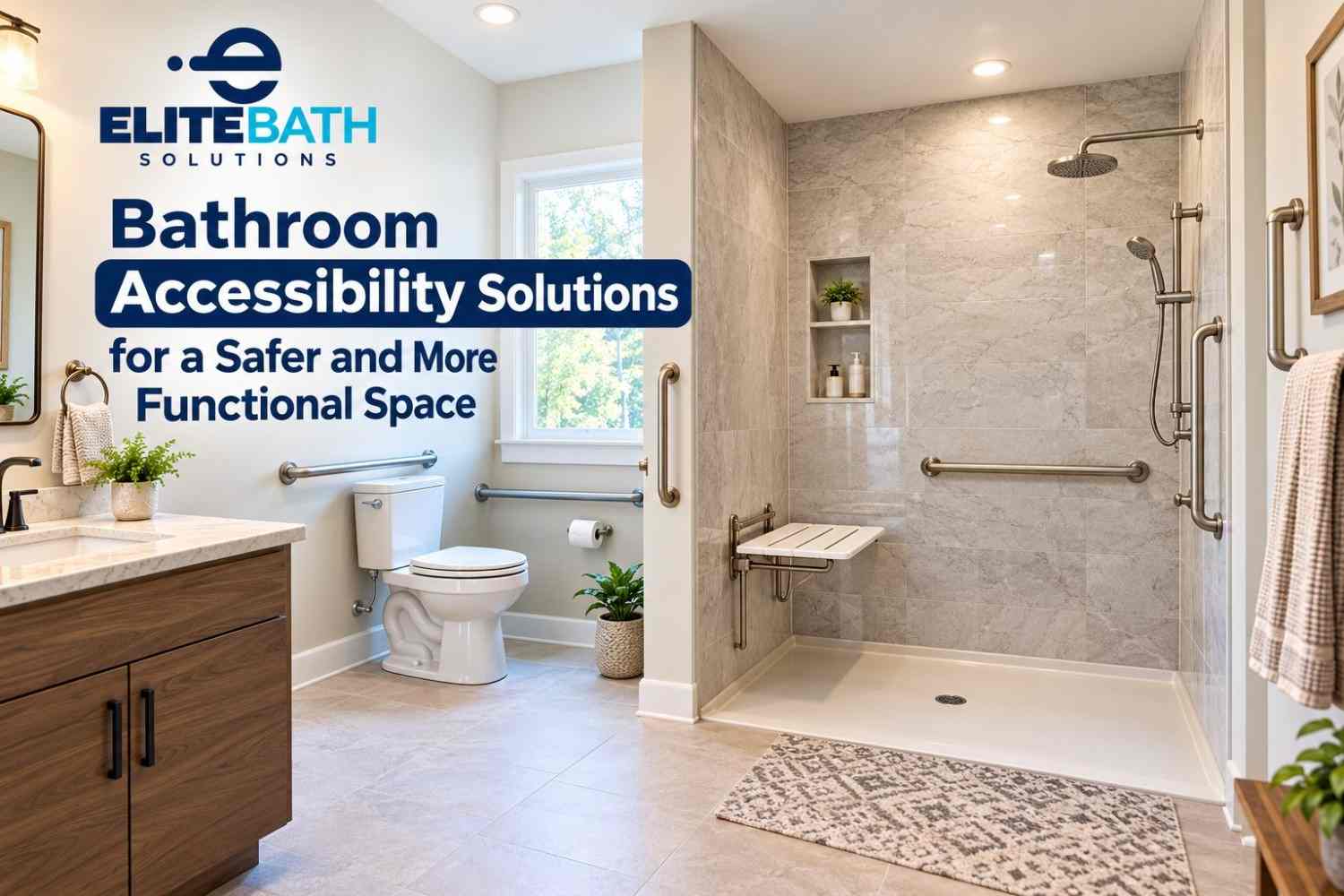
That said, a walk-in shower can also be an excellent accessibility upgrade. A properly designed shower with a low or no threshold, built-in seating, grab bars, and a handheld showerhead can create a safe, easy bathing experience. For wheelchair access or caregiver assistance, a shower may actually be the better long-term solution because it provides more open space to maneuver.
This is where the decision becomes personal. If soaking and seated bathing are important, a walk-in tub often stands out. If standing access, roll-in potential, or shared use by multiple family members matters more, a shower may offer more flexibility.
Comfort is different in each option
A walk-in tub is about relaxation as much as function. Many homeowners choose one because they want more than a safe bath – they want a more comfortable routine. Warm water soaking can be easier on sore muscles and stiff joints, and the built-in seat can feel much more stable than lowering into a standard tub.
A shower offers a different kind of comfort. It is fast, simple, and efficient. For many people, that convenience matters more than a soak. A beautifully designed shower can also create a clean, spa-inspired feel with features like custom wall surrounds, glass doors, seating, recessed storage, and rainfall or handheld fixtures.
If your idea of comfort is taking your time, a walk-in tub has a strong advantage. If your idea of comfort is stepping in, rinsing off, and getting on with the day, a shower is hard to beat.
Space can make the decision for you
Bathroom size plays a major role in any walk in tub versus shower decision. In a tighter bathroom, a shower often makes better use of the footprint and can make the room feel larger and less crowded.
Walk-in tubs are compact compared with many traditional tubs, but they still create a more enclosed bathing area. In some bathrooms, that works perfectly. In others, homeowners prefer the open appearance of a shower because it improves the overall feel of the room.
If your goal is to modernize an older bathroom that feels cramped, a tub-to-shower conversion may deliver the most visible transformation. If your goal is to make the space safer without giving up the experience of bathing, a walk-in tub may be the smarter fit.
Cleaning and maintenance are worth thinking about now
It is easy to focus on the initial remodel and forget about what comes after installation. But maintenance affects your satisfaction every week.
Showers are often easier to clean, especially when they are built with nonporous, low-maintenance wall systems and minimal grout lines. A well-designed shower can reduce scrubbing and hold its appearance with much less effort.
Walk-in tubs are also designed for practical use, but they have more components – doors, seals, jets in some models, and specialized hardware. That does not make them difficult to own, but it does mean there is more to consider compared with a straightforward shower installation.
For homeowners who want the simplest possible upkeep, a shower often has the edge. For homeowners who value the bathing experience enough to accept a little more complexity, a walk-in tub can still be well worth it.
Cost depends on the scope, not just the fixture
Many people ask whether a walk-in tub or shower costs more. The honest answer is that it depends on the product, the bathroom layout, plumbing needs, wall materials, and the level of customization.
In many cases, a walk-in tub carries a higher upfront investment than a standard shower replacement because the unit itself is more specialized. A custom shower can also range widely in price depending on features, finishes, and glass options.
What matters more is value. If a walk-in tub helps you stay safer and more comfortable in your home for years, that investment may make perfect sense. If a shower improves daily function, updates the look of the bathroom, and appeals to more household members, that may be the better return.
For many homeowners in Woodstock and the greater Atlanta area, budget also includes timing, disruption, and confidence in the installation. A focused bath remodeling company can often make the process far more efficient than a general contractor juggling multiple trades and timelines.
Resale value is not one-size-fits-all
A shower usually has broader appeal for future buyers, especially when it creates a fresh, updated look in a primary or guest bath. Many buyers appreciate a spacious shower because it feels current and convenient.
A walk-in tub can still add meaningful value, but that value is more lifestyle-specific. For a buyer who wants aging-in-place features or therapeutic bathing, it can be a major benefit. For a buyer who prefers a standard tub or shower, it may feel more specialized.
This does not mean a walk-in tub is a poor investment. It means you should prioritize your household needs first, especially if you plan to stay in your home. A remodel should improve your daily life now, not just chase a possible future preference.
Who should choose a walk-in tub?
A walk-in tub often makes the most sense for homeowners who want safer bathing without giving up the comfort of soaking. It is also a strong choice for those planning ahead for aging in place, managing mobility concerns, or looking for a more supportive bathing setup than a traditional tub can offer.
It can be particularly appealing if bathing has become physically difficult, if soreness and stiffness are part of everyday life, or if peace of mind matters as much as appearance. In the right home, a walk-in tub is not just a bathroom upgrade. It is a quality-of-life upgrade.
Who should choose a shower?
A shower is often the better option for homeowners who want speed, style, easy cleaning, and efficient use of space. It also works well for multi-person households where convenience matters and for bathrooms that need a more open, modern layout.
A low-threshold shower can also be a smart accessibility investment without committing to a tub. For many families, it strikes the right balance between safety, function, and everyday practicality.
Making the right choice for your home
The best bathroom remodel is the one that fits how you live today and supports how you want to live tomorrow. That is why the smartest decision rarely comes from comparing features alone. It comes from looking at your mobility, routine, space, style preferences, and long-term plans.
A walk-in tub is ideal when safety, comfort, and therapeutic bathing lead the priority list. A shower is ideal when convenience, openness, and simple maintenance matter most. Both can transform an outdated bathroom into a cleaner, more attractive, more functional space when the design is done well and the installation is handled by specialists.
If you are still weighing a walk in tub versus shower, start with the question that matters most: what will make this bathroom easier to use every single day? When you answer that honestly, the right upgrade usually becomes much clearer.