A high tub wall can turn an ordinary shower into the most dangerous part of the day. That is usually when homeowners start asking the real question: does Medicare cover tub to shower conversion, especially when safety is the reason for the change?
The short answer is usually no, at least not in the way most people hope. Original Medicare typically does not pay for full bathroom remodels or standard home modifications simply because they make bathing easier or safer. But that does not mean every path to financial help is closed. Coverage can depend on the type of Medicare plan you have, the medical reason behind the change, and whether part of the project qualifies as durable medical equipment or a related safety solution.
Does Medicare cover tub to shower conversion under Original Medicare?
In most cases, Original Medicare Part A and Part B do not cover a tub-to-shower conversion as a home improvement project. Medicare generally separates medical care from home renovation. So even if replacing a tub with a low-threshold or walk-in shower would clearly reduce fall risk, the actual construction work is usually seen as non-covered.
That distinction frustrates a lot of homeowners, and understandably so. A safer shower may be medically smart, but Medicare often focuses on whether an item is medically necessary and falls into a covered category. A full conversion involves demolition, plumbing adjustments, wall surrounds, flooring transitions, fixtures, and installation labor. Those costs are normally treated as remodeling, not medical treatment.
If your doctor recommends easier bathing access, that recommendation still may not be enough for Original Medicare to pay for the conversion itself. Medical necessity helps in some healthcare settings, but it does not automatically turn a bathroom renovation into a covered benefit.
When Medicare might help with part of the cost
This is where the answer becomes more nuanced. While Medicare usually does not cover the full conversion, it may help with certain products or services connected to safety and mobility.
Durable medical equipment can be a separate category
Some bathing aids may be considered durable medical equipment if they are prescribed by a doctor and meet Medicare requirements. Depending on the situation, that can include items like a shower chair, transfer bench, or handheld equipment used for bathing support. These are not the same as paying for a new shower installation, but they can lower out-of-pocket costs for part of the overall solution.
Grab bars are a gray area many homeowners ask about. Even though they improve safety, they are often considered home modifications rather than covered durable medical equipment. In other words, the item may be helpful and medically sensible, but still not reimbursed.
Medicare Advantage plans may offer broader support
If you have a Medicare Advantage plan, also called Part C, your benefits may be different from Original Medicare. Some Advantage plans offer supplemental benefits for certain home safety improvements tied to chronic conditions, mobility limitations, or aging in place. These benefits are not universal, and they can vary widely by insurer and by plan.
That means one person may have access to assistance for bathroom safety modifications while another person with a different Advantage plan gets no such benefit at all. The details matter – prior authorization, network rules, physician documentation, and annual benefit limits can all affect what is available.
If you have Medicare Advantage, the smartest move is to call your plan directly and ask a very specific question: whether a tub-to-shower conversion or bathroom accessibility modification is covered, in whole or in part, due to medical need.
Why tub-to-shower conversions are still worth considering
Even without full Medicare coverage, many homeowners move forward because the practical benefits are hard to ignore. A traditional tub can be awkward, slippery, and physically demanding to step into. For older adults, anyone recovering from surgery, or people managing balance issues, that setup increases risk every single day.
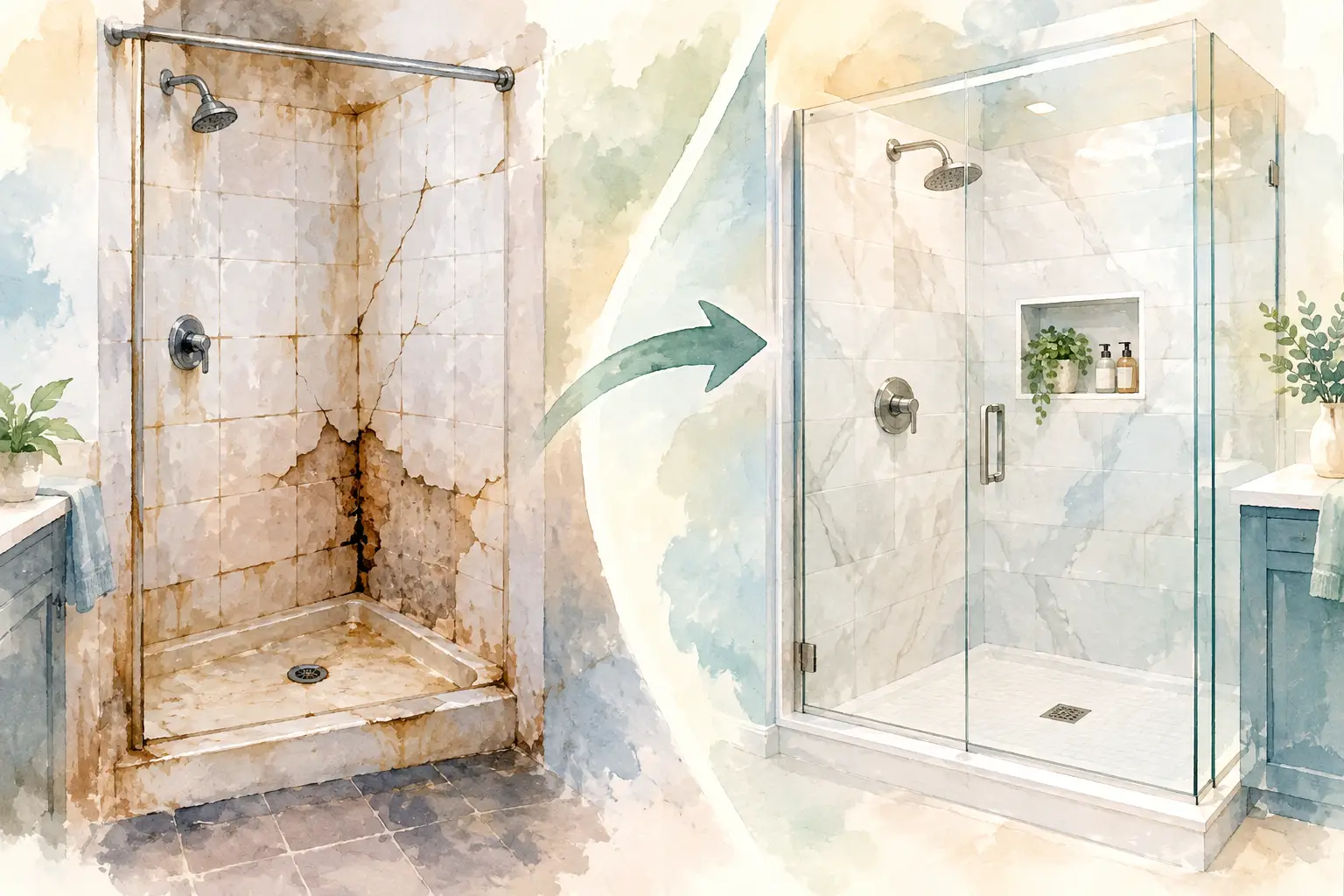
A well-designed shower conversion can create easier entry, more stable footing, simpler cleaning, and a more open feel in the bathroom. If accessibility is part of the design, features like low thresholds, built-in seating, slip-resistant surfaces, and handheld showerheads can make the space far more comfortable to use.
There is also a quality-of-life factor that matters. Safety is the first priority, but homeowners often want a bathroom that looks updated and feels easier to live with. A conversion can solve a mobility concern without making the room feel clinical.
What to ask before you assume coverage
The biggest mistake is treating all insurance and Medicare plans the same. Before making decisions, it helps to gather the right information.
Start with your doctor if bathing has become unsafe. Medical documentation can support your case if your plan offers any accessibility-related benefits. Then contact Medicare or your Medicare Advantage provider and ask about bathroom safety modifications, durable medical equipment, and home accessibility benefits.
You will also want to ask whether a letter of medical necessity is required, whether contractors need pre-approval, and whether only certain items qualify. Sometimes a plan will not cover the conversion itself but may cover a related seat or bathing aid. It is better to know that upfront than to assume reimbursement later.
Other ways homeowners pay for a shower conversion
Because Medicare coverage is limited, many homeowners look at other practical payment options. That is often the more realistic path.
Savings is the most straightforward route, but not always the easiest. Financing is another common choice, especially when the remodel addresses a pressing safety issue. Monthly payment options can make the project more manageable, particularly when homeowners want to avoid delaying a necessary upgrade.
In some cases, veterans’ benefits, Medicaid waiver programs, long-term care policies, or state and local assistance programs may help with accessibility improvements. Eligibility depends on income, service history, disability status, and location. These programs are not guaranteed, but they are worth exploring if safety is driving the project.
For homeowners in Woodstock and the greater Atlanta area, working with a bath specialist can also make a difference. An experienced company can explain product options clearly, help prioritize the most important accessibility features, and build a plan around budget instead of pushing a one-size-fits-all remodel.
Choosing the right conversion when safety matters most
If the project is motivated by mobility concerns, design choices should support that goal from the start. Not every tub-to-shower conversion is truly accessibility-focused.
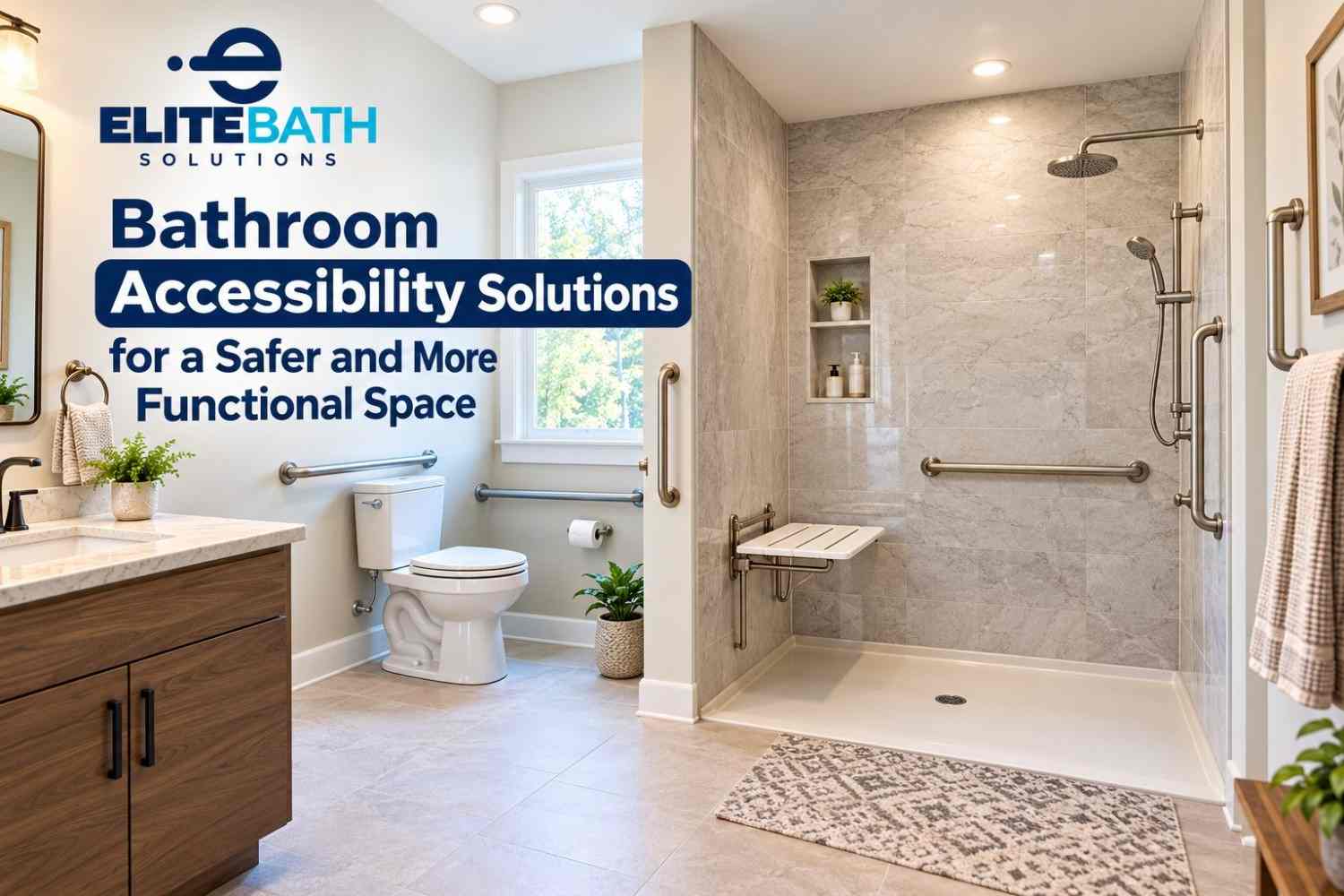
A sleek new shower may look better than an old tub, but appearance alone does not improve safety. The better approach is to think about entry height, floor traction, seating, support, and reach. A low-threshold or barrier-reduced shower is often easier to enter. Slip-resistant flooring can add confidence. Built-in seating may reduce strain, and a handheld showerhead gives more flexibility for seated bathing.
Storage, lighting, and door style matter too. A cramped shower with awkward controls can still be difficult to use, even if the tub is gone. Good design should make daily routines easier, cleaner, and safer.
That is where a focused bathroom remodeling company can bring real value. Specialists who handle bath and shower spaces every day tend to understand how to balance accessibility, appearance, and durability without overcomplicating the process.
Does Medicare cover tub to shower conversion if a doctor says it is necessary?
This is one of the most common follow-up questions, and the answer is still usually no under Original Medicare. A doctor’s recommendation can strengthen your case for certain covered medical items, but it does not usually convert a construction project into a covered benefit.
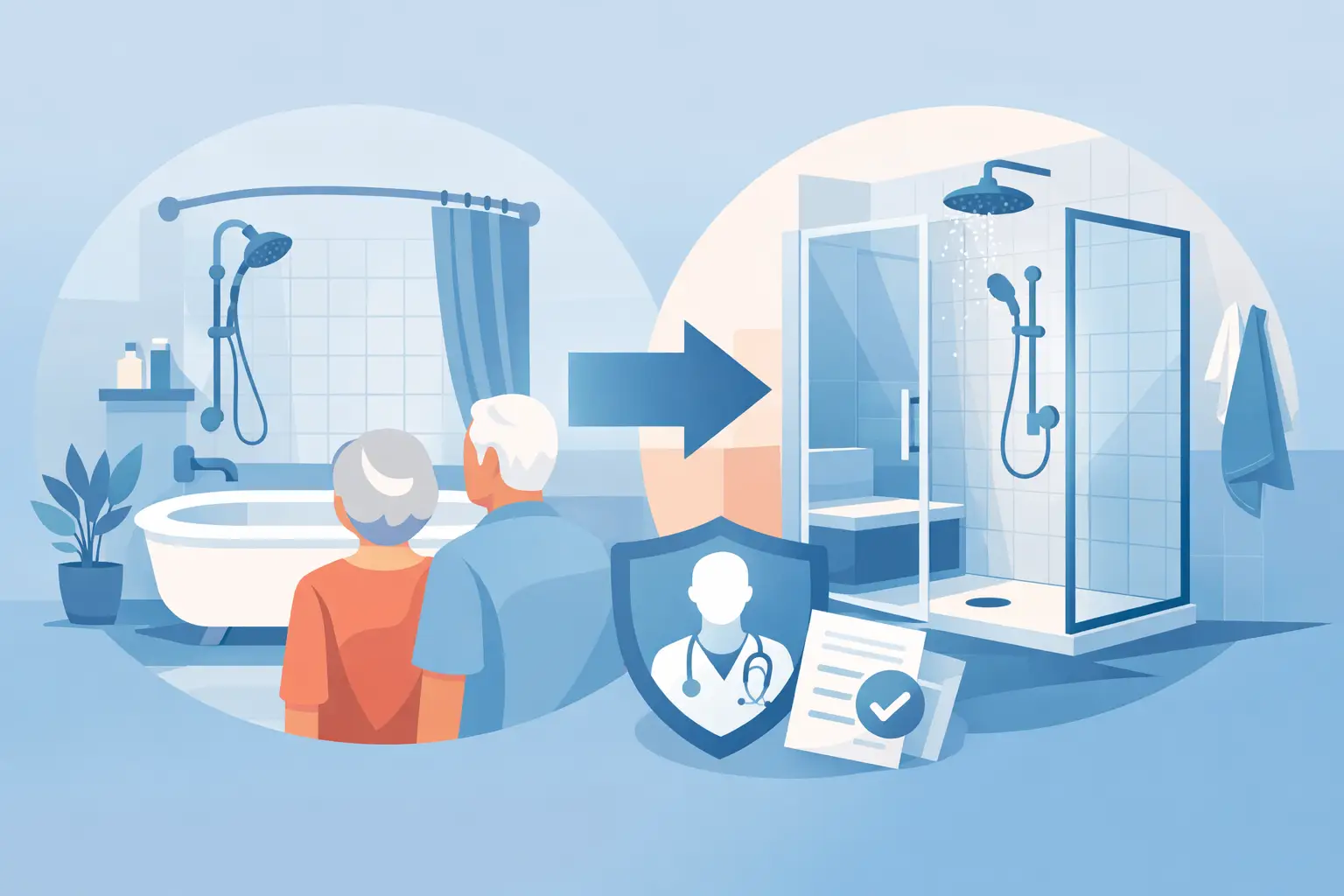
That said, medical documentation still matters. It can support claims for related equipment, strengthen a request through a Medicare Advantage plan, or help when applying for another assistance program. So even if it does not guarantee direct coverage, it is still worth getting the recommendation documented.
A better way to think about the decision
Instead of asking only whether insurance will pay, it may be more helpful to ask what the cost of waiting looks like. One close call stepping over a tub edge can change the whole conversation. For many families, the value of a tub-to-shower conversion is not just resale appeal or updated style. It is peace of mind, easier routines, and a bathroom that works for the way life is now.
If you are weighing your options, gather the coverage details first, then compare them against the safety improvements you actually need. And if you want expert guidance on a stylish, low-maintenance shower conversion built for comfort and confidence, Elite Bath Solutions can help you explore what is possible with a free consultation.
The best bathroom upgrade is the one that makes everyday life feel easier the moment you step inside.