A bathroom starts to feel different the moment getting in and out of the tub stops feeling easy. For many homeowners, that shift happens gradually – a higher step, a slippery surface, sore joints, or the worry of bathing alone. That is why walk in bathtub installation has become one of the most practical upgrades for comfort, safety, and long-term independence.
A walk-in tub is not just a standard bathtub with a door. It is a purpose-built bathing solution designed to reduce fall risk, improve accessibility, and make daily routines feel more secure. It can also bring a polished, updated look to an older bathroom when it is installed with the right materials and the right layout.
What walk in bathtub installation really involves
Many homeowners assume the process is as simple as swapping one tub for another. Sometimes it is close to that. In other bathrooms, the project needs light plumbing adjustments, wall surround updates, flooring repairs, or fixture relocation to make the finished result function properly.
A professional walk in bathtub installation usually begins with measuring the existing tub space, checking access points, and reviewing how the bathroom is used day to day. That matters because the right tub is not only about fitting the opening. It also needs to suit the bather’s height, mobility needs, and comfort preferences.
For example, one homeowner may want a basic soaker tub with a low threshold and grab bars. Another may need a wider seat, handheld shower wand, hydrotherapy jets, or a fast-drain system. The installation plan should match those needs before the old tub is ever removed.
Why homeowners choose a walk-in tub
The most obvious reason is safety. A low step-in threshold helps reduce the need to lift a leg over a high tub wall, which can be one of the most difficult movements for aging adults or anyone with limited mobility. Built-in seating also allows the user to bathe in a more stable and comfortable position.
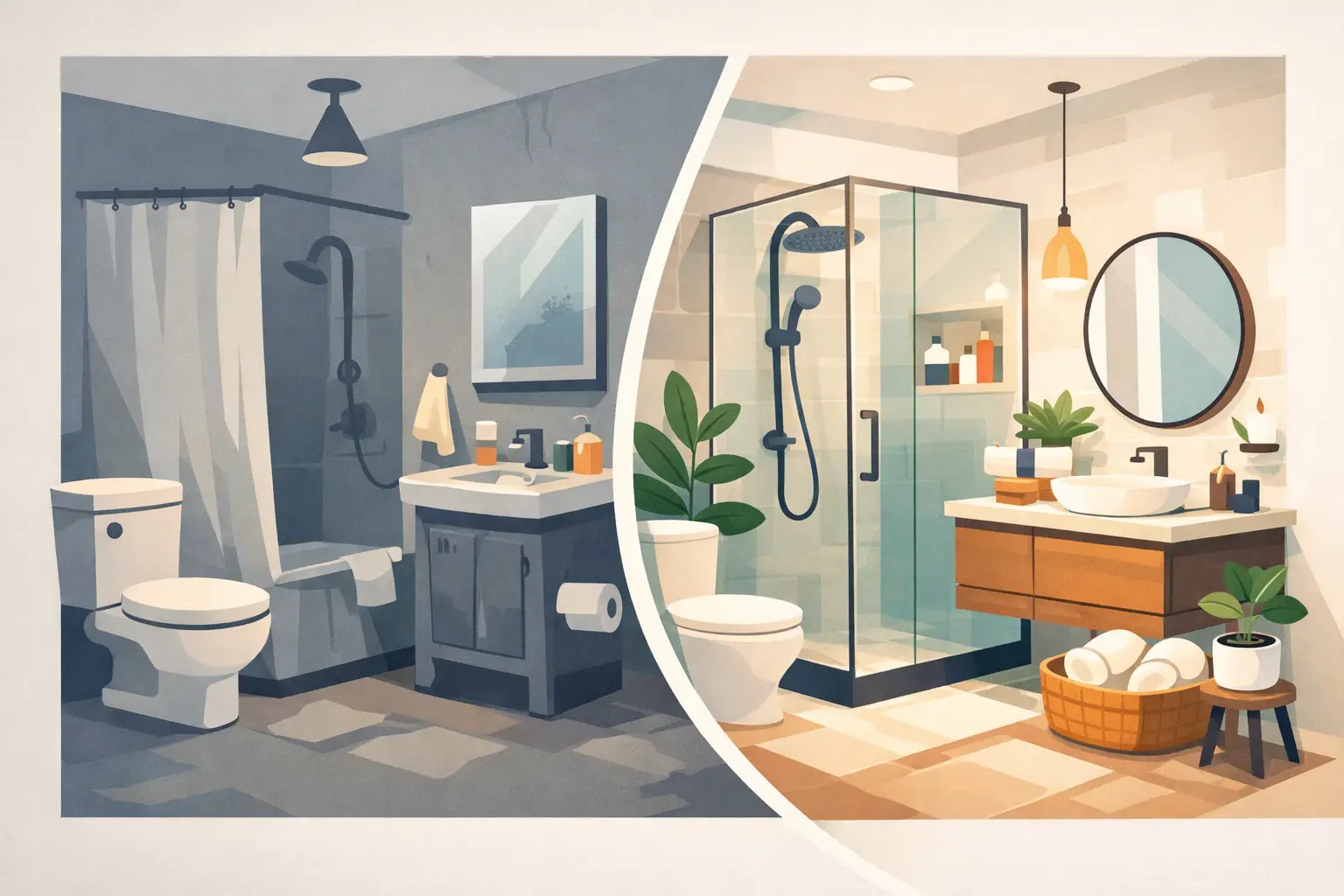
But safety is only part of the appeal. Many homeowners also choose a walk-in tub because they want to stay in their home longer without sacrificing comfort. A bathroom that works well today and still works years from now is a smart investment. It supports aging in place while making the space feel more intentional and better designed.
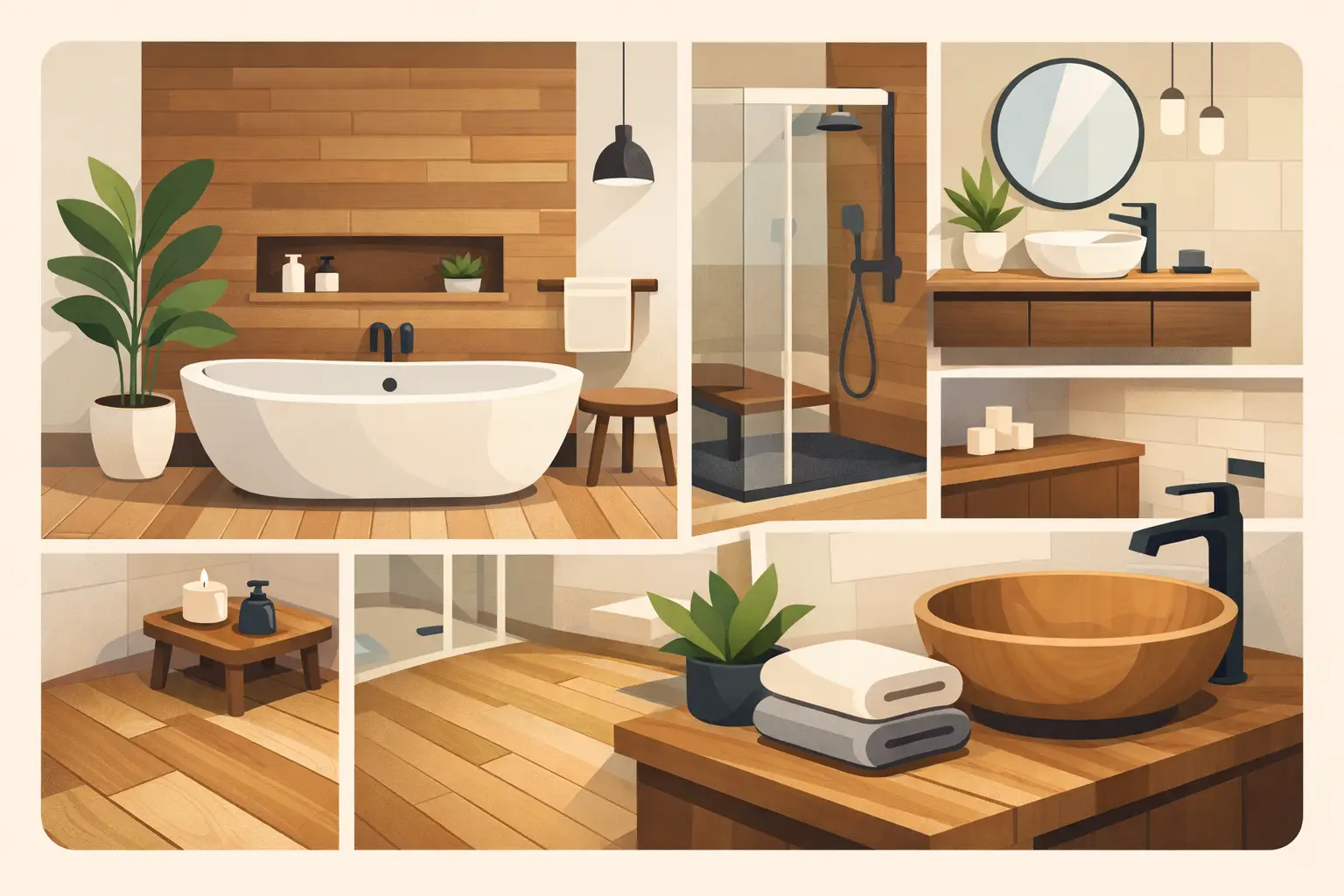
There is also a lifestyle component. Modern walk-in tubs can include hydrotherapy, heated seating, easy-clean surfaces, and attractive wall surrounds that feel less clinical and more like a personal retreat. When the installation is done well, the bathroom can look upgraded rather than modified.
Is your bathroom a good fit?
Most bathrooms can accommodate a walk-in tub, but the answer depends on dimensions, plumbing location, and overall layout. A standard alcove tub opening often works well, especially when the goal is to replace an existing bathtub. That can make the project more straightforward and help control costs.
Still, not every bathroom is identical. In smaller spaces, the door swing, wall clearance, and surrounding fixtures need to be considered carefully. A toilet or vanity placed too close to the tub area may limit which models will fit comfortably. In older homes, plumbing lines and subfloor condition can also affect the installation plan.
This is one reason a consultation matters. A specialist can identify what will work, what may need adjustment, and whether a tub or another accessibility solution makes the most sense. In some homes, a walk-in tub is the clear winner. In others, a low-threshold shower may be a better fit. The best recommendation is based on how the bathroom is actually used.
The installation process step by step
Removal and prep
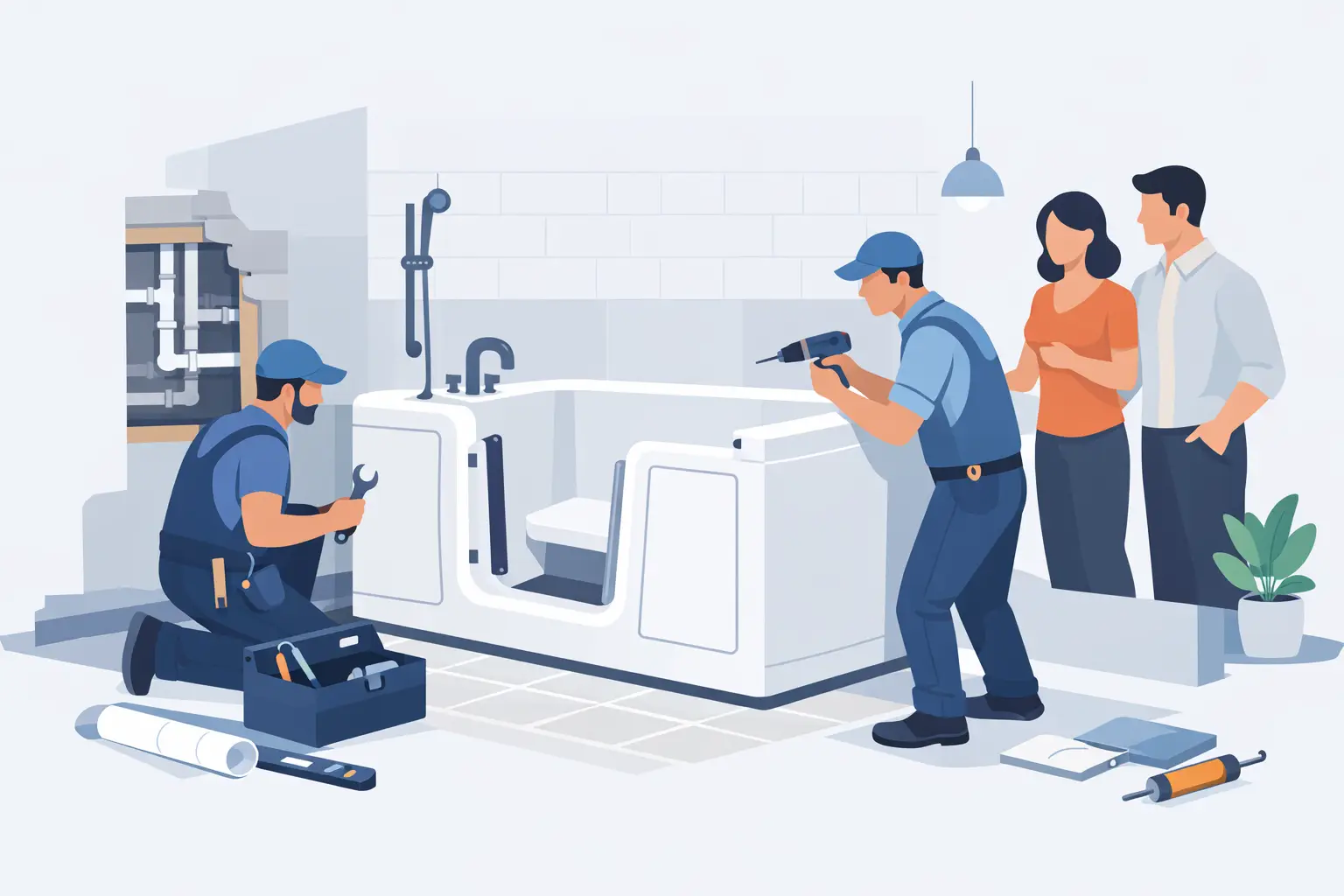
The first phase of walk in bathtub installation is removing the old tub or shower unit. During that step, installers inspect the walls, plumbing connections, and flooring underneath. If there is hidden water damage or aging materials, it is better to address it now than cover it up and deal with problems later.
Plumbing and framing adjustments
Once the area is open, the plumbing may need to be repositioned to align with the new tub. Minor framing adjustments are sometimes needed too, especially if the selected tub has different dimensions or support requirements than the old one. This is where specialized bath remodeling experience makes a real difference. Precision matters because the tub must sit level, seal correctly, and drain efficiently.
Setting the tub and finishing the surround
After the prep work is complete, the tub is set into place and connected. The walls around it are finished with waterproof surround materials designed to resist mold, stains, and everyday wear. Fixtures, grab bars, trim, and accessories are then installed to complete the look and improve usability.
Final testing and cleanup
Before the project is finished, the tub should be tested for filling, draining, door seal performance, and fixture function. A professional installation also includes a full cleanup so the bathroom is ready to use without the mess and stress homeowners often expect from remodeling.
How long does installation take?
The timeline depends on the condition of the existing bathroom and the scope of work. A straightforward replacement can move quickly, especially when the tub fits within the current footprint. If the project also includes new wall surrounds, fixture upgrades, or repairs behind the old tub, it may take longer.
Homeowners often worry that an accessibility remodel will drag on for weeks. In many cases, it does not have to. A bath-focused remodeling company can streamline the process because the work is centered on one space and one purpose. That specialized approach helps reduce disruption while still delivering a polished result.
Cost considerations and what affects price
Walk-in tubs are a premium upgrade, and pricing varies based on the tub model, features, installation complexity, and the condition of the bathroom. A basic unit will cost less than a tub with hydrotherapy jets, heated backrests, aromatherapy, or advanced controls.
Installation complexity also matters. If the existing plumbing is already in a good location and the opening is a standard size, the project is generally more efficient. If the floor needs reinforcement, drain lines need to move, or custom wall work is required, the investment will be higher.
That said, price should be weighed against value. For many homeowners, the real benefit is not just the tub itself. It is the ability to bathe more confidently, maintain independence, and improve the day-to-day experience of the bathroom. Financing can also make the project more manageable when homeowners want the upgrade now rather than later.
Features worth considering
Not every walk-in tub needs every available option. The right feature set depends on the user. A low threshold, built-in seat, textured floor, and grab bars are the essentials for most buyers. From there, comfort features can be added based on preference and budget.
Fast fill and fast drain systems are worth serious attention because they affect everyday convenience. Since the bather enters before filling and exits after draining, wait time matters. A handheld shower wand can also be helpful for easier rinsing and cleaning. For some homeowners, hydrotherapy is a luxury. For others, it is one of the main reasons to install the tub.
The finish matters too. Clean lines, modern hardware, and durable wall surrounds help the bathroom feel elevated rather than purely functional. That balance between accessibility and style is where the best remodels stand out.
Choosing the right installer
A walk-in tub is only as good as its installation. Even a high-quality product can underperform if it is not leveled correctly, sealed properly, or connected to the plumbing with care. That is why homeowners should look for a bath remodeling specialist instead of a general contractor who only occasionally handles this kind of project.
The right installer should offer a clear consultation process, explain product options in plain language, and stand behind the work with strong warranty protection. Local experience matters too, especially in older homes where bathroom layouts and plumbing conditions can vary.
For homeowners in Woodstock and the greater Atlanta area, working with a dedicated bath specialist like Elite Bath Solutions can make the process feel much more manageable. Specialized crews, premium materials, and a customer-first process help turn what could feel like a stressful upgrade into a confident decision.
When a walk-in tub makes the most sense
A walk-in tub makes strong sense for homeowners who still enjoy bathing, want added safety, and plan to stay in their home for years. It is especially valuable for aging adults, people recovering from injury, or families supporting a loved one with mobility concerns.
It may be less ideal for households that strongly prefer quick showers or have only one bathroom and need the fastest possible routine for multiple family members. That is where honest guidance matters. The best remodel is the one that fits the household, not just the trend.
A better bathroom should do more than look updated. It should make daily life easier, safer, and more comfortable in a way you feel every single day.